
Contents
- 🐟 What Exactly *Is* Whitefish?
- 📍 Where to Find Whitefish
- 🍽️ Whitefish on Your Plate: A Culinary Journey
- 🎣 Whitefish: The Angler's Perspective
- ⚖️ The Whitefish Debate: Sustainability & Industry
- 💡 Whitefish Trivia & Fun Facts
- ⭐ Whitefish Vibe Score & Ratings
- ➡️ Getting Started with Whitefish
- Frequently Asked Questions
- Related Topics
Overview
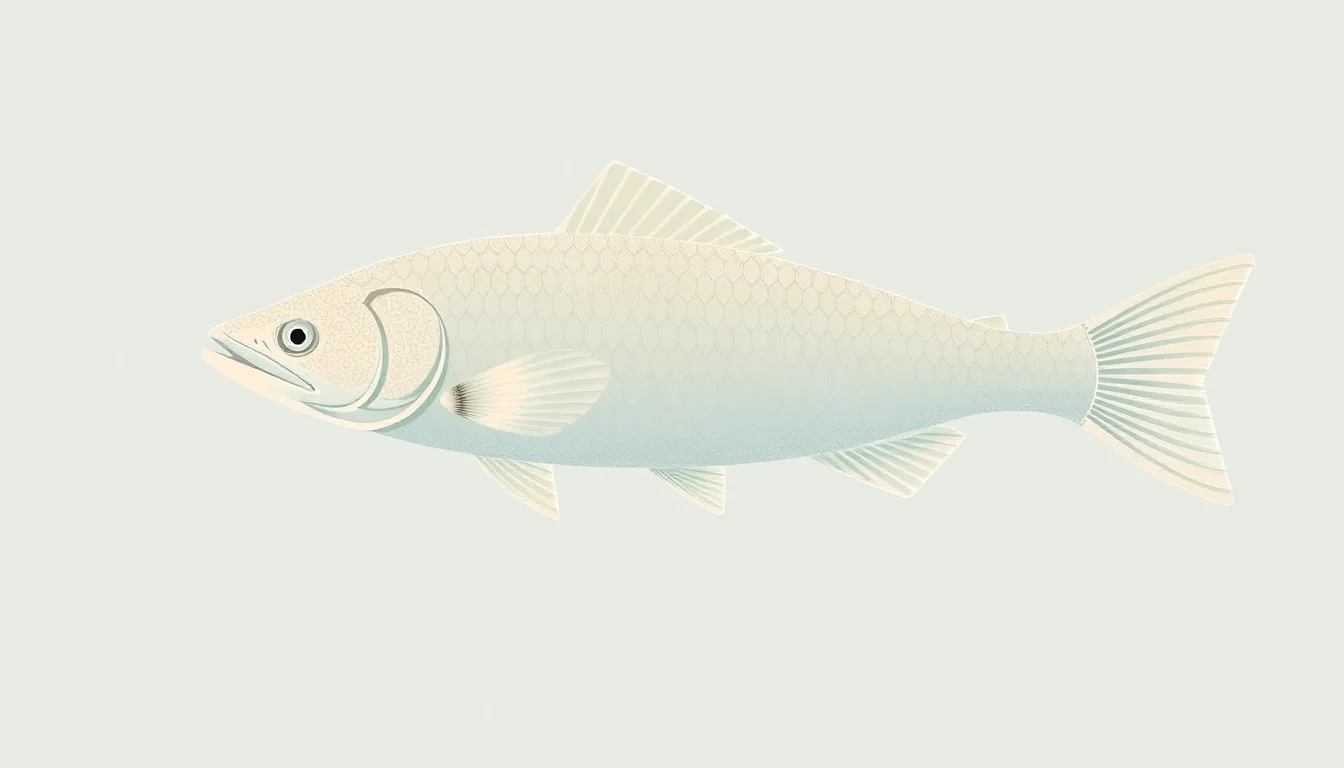
Whitefish, a term that sounds deceptively simple, actually encompasses a diverse group of freshwater fish belonging to the family Salmonidae, which also includes salmon and trout. These are not a single species but a collection of related genera like Coregonus, Prosopium, and Stenodus. Historically, they've been a vital food source for Indigenous communities across North America and Europe, and their ecological role in freshwater ecosystems is significant. Understanding the specific species, like the Lake Whitefish (Coregonus clupeaformis) or the Mountain Whitefish (Prosopium williamsoni), is key to appreciating their distinct characteristics and culinary merits. Their silvery appearance and generally bottom-feeding habits set them apart from their more predatory salmonid cousins.
📍 Where to Find Whitefish
You'll find whitefish populations thriving in the cold, clear waters of lakes and rivers across the Northern Hemisphere. Major hubs for commercial and recreational whitefish fishing include the Great Lakes of North America, particularly Lake Superior and Lake Huron, where the Lake Whitefish is abundant. In Europe, species like the Vendace (Coregonus albula) are found in Scandinavian and Baltic lakes. Mountain Whitefish inhabit fast-flowing rivers in western North America, from the Rocky Mountains to the Pacific Northwest. The specific location will dictate the species you encounter and the best time of year for fishing or observation.
🍽️ Whitefish on Your Plate: A Culinary Journey
On the plate, whitefish is celebrated for its delicate, mild flavor and flaky texture, often described as less oily than salmon but richer than cod. It's incredibly versatile, suitable for smoking, baking, pan-frying, or poaching. Smoked whitefish, especially from the Great Lakes region, is a delicacy, often served as a pâté or spread. Its firm flesh holds up well to various cooking methods, making it a favorite for both home cooks and professional chefs. When sourcing, look for fresh, never-frozen fillets for the best taste and texture, often available at local fish markets or directly from fisheries.
🎣 Whitefish: The Angler's Perspective
For anglers, whitefish offer a unique challenge and reward. They are typically bottom feeders, often found near shoals, drop-offs, and weed beds. Light tackle is usually the preferred method, with small jigs, spawn sacs, or specialized whitefish flies proving effective. While not as flashy as trout or salmon, the fight of a decent-sized whitefish can be surprisingly strong, especially when hooked on light gear. Many anglers appreciate whitefish for their delicious taste when prepared properly, making the catch-and-release or harvest decision a thoughtful one.
⚖️ The Whitefish Debate: Sustainability & Industry
The whitefish industry, particularly in the Great Lakes, faces ongoing debates surrounding sustainable harvest levels and invasive species management. Concerns about overfishing have led to strict regulations and quotas in many areas, managed by bodies like the Great Lakes Fishery Commission. The impact of invasive species like the Zebra Mussel on whitefish food sources and habitat is also a significant factor. Balancing commercial fishing interests with ecological preservation remains a central challenge, with various stakeholders advocating for different management strategies.
💡 Whitefish Trivia & Fun Facts
Did you know that some whitefish species, like the Inconnu (Stenodus leucichthys), can grow to be quite large, exceeding 30 pounds? The name 'whitefish' itself refers to their pale flesh, distinguishing them from darker-fleshed fish. In some cultures, whitefish roe, similar to caviar, is considered a delicacy. The Burbot (Lota lota), sometimes mistakenly grouped with whitefish due to its pale flesh and bottom-dwelling habits, is actually a freshwater cod and not a true whitefish.
⭐ Whitefish Vibe Score & Ratings
Whitefish generally score well on the Vibepedia Vibe Score for their cultural significance and culinary appeal, often landing in the 70-85 range depending on the specific species and regional popularity. Their sustainability ratings can fluctuate, impacting their overall Vibe. For instance, well-managed Lake Whitefish fisheries often receive higher marks for ecological responsibility than those facing significant environmental pressures. Consumer ratings for taste and texture are consistently high, contributing to their positive perception among food enthusiasts.
➡️ Getting Started with Whitefish
Ready to explore the world of whitefish? Start by visiting a reputable local fish market or a specialty seafood store to inquire about fresh, locally sourced whitefish. If you're interested in recreational fishing, research regulations and seasons in your area and consider hiring a local guide for your first outing. For a culinary adventure, try a recipe for smoked whitefish dip or pan-seared whitefish with lemon-dill sauce. Engaging with local fisheries or conservation groups can also provide deeper insights into the challenges and triumphs of whitefish populations.
Key Facts
- Year
- N/A
- Origin
- Global (Northern Hemisphere)
- Category
- Aquatic Life
- Type
- Species Group
Frequently Asked Questions
Are all whitefish the same species?
No, 'whitefish' is a common name for a group of fish within the Salmonidae family, not a single species. Genera like Coregonus, Prosopium, and Stenodus contain various species, each with unique characteristics. For example, the Lake Whitefish is distinct from the Mountain Whitefish.
Is whitefish healthy to eat?
Yes, whitefish is generally considered very healthy. It's a good source of lean protein and omega-3 fatty acids, though typically less so than oilier fish like salmon. It's also lower in mercury compared to larger predatory fish, making it a safer choice for regular consumption.
What's the best way to cook whitefish?
Whitefish is incredibly versatile. It excels when smoked, baked, pan-fried, or poached. Its mild flavor and flaky texture pair well with simple preparations that highlight its natural taste, such as lemon, herbs, or butter. Avoid overcooking, as its delicate flesh can dry out quickly.
Where can I buy fresh whitefish?
Your best bet for fresh whitefish is a reputable local fish market or a specialty seafood store. Farmers' markets can also be a good source, especially in regions with active whitefish fisheries. Some online seafood retailers also offer fresh or frozen whitefish, but check reviews for quality and shipping practices.
Is whitefish sustainable?
Sustainability varies by species and fishery. Well-managed fisheries, particularly for Lake Whitefish in the Great Lakes, are often considered sustainable. However, some populations face threats from overfishing, habitat degradation, and invasive species. Always look for sustainably certified options or inquire about the origin and management practices of the fish you purchase.
What is the difference between whitefish and cod?
While both have pale, flaky flesh, whitefish are part of the Salmonidae family (related to salmon and trout), whereas cod belongs to the Gadidae family. True whitefish are exclusively freshwater, while cod can be found in both freshwater (like the Burbot) and saltwater environments. Their flavor profiles can also differ, with whitefish often being milder.