
Contents
- 🎣 What Exactly is Arctic Grayling?
- 🌍 Where to Find This Elusive Fish
- ⏰ Best Times to Spot Grayling
- 💡 Key Identification Features
- ⚖️ Conservation Status & Threats
- 🛶 Getting There: Travel & Logistics
- 💰 Costs & Planning Your Trip
- ⭐ What Anglers & Researchers Say
- 🆚 Grayling vs. Other Arctic Species
- 📚 Further Reading & Resources
- Frequently Asked Questions
- Related Topics
Overview
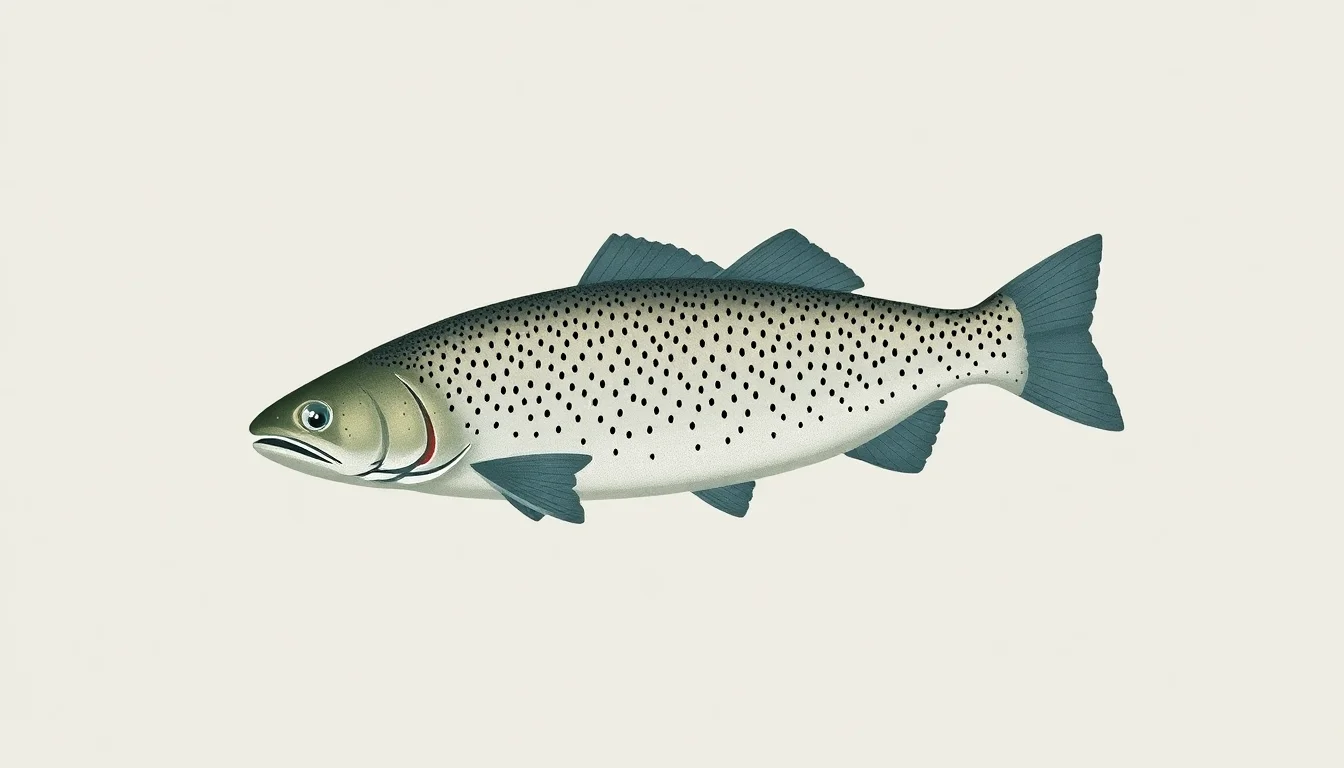
The Arctic grayling (Thymallus arcticus) is a species of freshwater fish in the salmon family, renowned for its striking appearance and its preference for cold, clear, fast-flowing rivers. Often called the 'ghost of the Arctic rivers' due to its elusive nature and silvery, iridescent scales, this fish is a true icon of northern freshwater ecosystems. Unlike its salmonid cousins, grayling possess a distinctive, large, sail-like dorsal fin, which can be vibrantly colored with reds, purples, and blues, especially in males during spawning season. Understanding their habitat and behavior is key to appreciating their ecological significance and the challenges they face.
🌍 Where to Find This Elusive Fish
You'll find Arctic grayling primarily in the Arctic and subarctic regions of North America and Eurasia. This includes vast river systems in Alaska, Canada (Yukon, Northwest Territories, Nunavut), and Siberia. They inhabit pristine, cold-water environments, favoring gravelly bottoms in rivers and large streams with good oxygen levels. Key locations for observation or angling include the Yukon River basin, the Mackenzie River system, and numerous tributaries across Siberia. Their distribution is a strong indicator of overall river health, making them a bioindicator species.
⏰ Best Times to Spot Grayling
The prime time to encounter Arctic grayling often aligns with their feeding and spawning behaviors. During the summer months, from June to August, when rivers are ice-free and insect hatches are abundant, grayling are most active and visible. Spawning typically occurs in spring, shortly after ice-out, when males display their colorful dorsal fins. While they can be found year-round, their activity levels and accessibility are highest during the warmer periods when northern waterways are navigable and the fish are actively foraging in shallower riffles and pools.
💡 Key Identification Features
Distinguishing the Arctic grayling is relatively straightforward once you know what to look for. The most obvious feature is that large, prominent dorsal fin, which is significantly larger than that of other salmonids. Their bodies are typically silvery-grey, sometimes with a purplish sheen, and they possess small, diamond-shaped scales. A characteristic 'hash mark' or 'fingerprint' pattern is often visible on their flanks, particularly behind the pectoral fins. Their mouths are relatively small, with a single row of teeth, unlike the more pronounced dentition of some other predatory fish.
⚖️ Conservation Status & Threats
The conservation status of Arctic grayling varies by region, but many populations are facing increasing pressure. Threats include habitat degradation from mining and logging, climate change impacting water temperatures and flow regimes, and overfishing in some accessible areas. While some populations are considered stable, others, particularly those in more southerly parts of their range or near human development, are listed as vulnerable or of special concern. Protecting their pristine riverine habitats is paramount for their long-term survival.
🛶 Getting There: Travel & Logistics
Accessing Arctic grayling habitats often requires significant logistical planning, especially for those venturing into remote northern territories. Many prime locations are only reachable by floatplane or specialized expedition boat. For anglers or researchers, this means booking flights into regional hubs like Whitehorse, Yellowknife, or Yakutsk, followed by charter flights to remote lodges or wilderness camps. Road access is extremely limited, making air travel the most common method for reaching these fish in their natural environment.
💰 Costs & Planning Your Trip
The cost of a trip focused on Arctic grayling can range significantly depending on the level of remoteness and the services provided. Wilderness lodges offering guided fishing trips can cost anywhere from $3,000 to $8,000+ per person for a week-long excursion, often including flights from a major hub. Self-guided trips to more accessible areas might be less expensive but require more personal gear and planning. Factor in costs for travel to the staging area, charter flights, accommodation, fishing licenses, and any necessary gear rentals.
⭐ What Anglers & Researchers Say
Anglers often describe the Arctic grayling as a challenging and rewarding quarry, prized for its acrobatic fight and its stunning beauty. Researchers highlight its role as a key indicator of water quality and ecosystem health in the Arctic. Many accounts emphasize the thrill of sight-fishing for these fish in crystal-clear, cold waters. Online forums and fishing publications are filled with stories of anglers successfully landing large specimens, often returning them to the water as part of catch-and-release practices that are crucial for population sustainability.
🆚 Grayling vs. Other Arctic Species
Compared to other Arctic freshwater species, the Arctic grayling stands out for its unique dorsal fin and its preference for faster currents. While Arctic char (Salvelinus alpinus) also inhabit Arctic waters, they are anadromous or lake-dwelling and have a different body shape and fin structure. Northern pike (Esox lucius) are also found in some of the same river systems but are ambush predators in slower waters and lack the grayling's distinctive sail fin. The grayling occupies a specific ecological niche, feeding on drift insects and small invertebrates in the main river flows.
📚 Further Reading & Resources
For those seeking to learn more about the Arctic grayling, several resources offer in-depth information. Scientific journals focusing on ichthyology and Arctic ecology provide detailed research on population dynamics and habitat requirements. Websites of Arctic conservation organizations often feature species profiles and conservation efforts. Reputable angling publications and books dedicated to fly fishing in the North offer practical insights into locating and ethically fishing for grayling. Understanding the ongoing research is vital for appreciating the challenges and successes in protecting this iconic species.
Key Facts
- Year
- 1789
- Origin
- First described scientifically by Peter Simon Pallas
- Category
- Wildlife & Ecology
- Type
- Species
Frequently Asked Questions
What is the primary diet of Arctic Grayling?
Arctic grayling primarily feed on aquatic insects, such as caddisflies, mayflies, and stoneflies, which they often catch by rising to the surface during hatches. They will also consume terrestrial insects that fall into the water, small crustaceans, and occasionally smaller fish or fish eggs. Their feeding behavior is closely tied to the availability of drift insects in the river currents.
Are Arctic Grayling endangered?
The conservation status of Arctic grayling varies significantly across its range. While some populations in remote, undisturbed areas are considered stable, many others face threats from habitat loss, pollution, and climate change. Specific populations, particularly in the southern extents of their range or near industrial activity, may be listed as vulnerable or of special concern by regional wildlife agencies.
Can you eat Arctic Grayling?
Yes, Arctic grayling are edible and are considered a delicacy by many who fish for them. They have a mild, white flesh. However, due to their role as an indicator species and the sensitive nature of their Arctic river habitats, many anglers practice catch-and-release to help conserve wild populations. Regulations regarding harvest vary by region and are often strict.
What makes the Arctic Grayling's dorsal fin so unique?
The Arctic grayling's dorsal fin is exceptionally large and sail-like, often extending over a third of its body length. It can be vibrantly colored with reds, purples, and blues, especially in males during the breeding season, where it's thought to play a role in courtship displays and territorial defense. This distinctive fin is its most recognizable feature, setting it apart from most other salmonid species.
How does climate change affect Arctic Grayling populations?
Climate change poses significant threats to Arctic grayling. Rising water temperatures can stress these cold-water fish, potentially shifting their habitat range or impacting insect prey availability. Changes in ice cover and river flow patterns can affect spawning success and migration. Furthermore, thawing permafrost can increase sediment runoff, degrading crucial gravel spawning beds.
What is the typical lifespan of an Arctic Grayling?
The lifespan of Arctic grayling can vary depending on environmental conditions and predation pressure, but they can live for a considerable time. In many northern populations, they commonly live for 10 to 15 years, with some individuals documented to live over 20 years. Their growth rate is often slower in colder climates and less productive waters.