
Contents
Overview
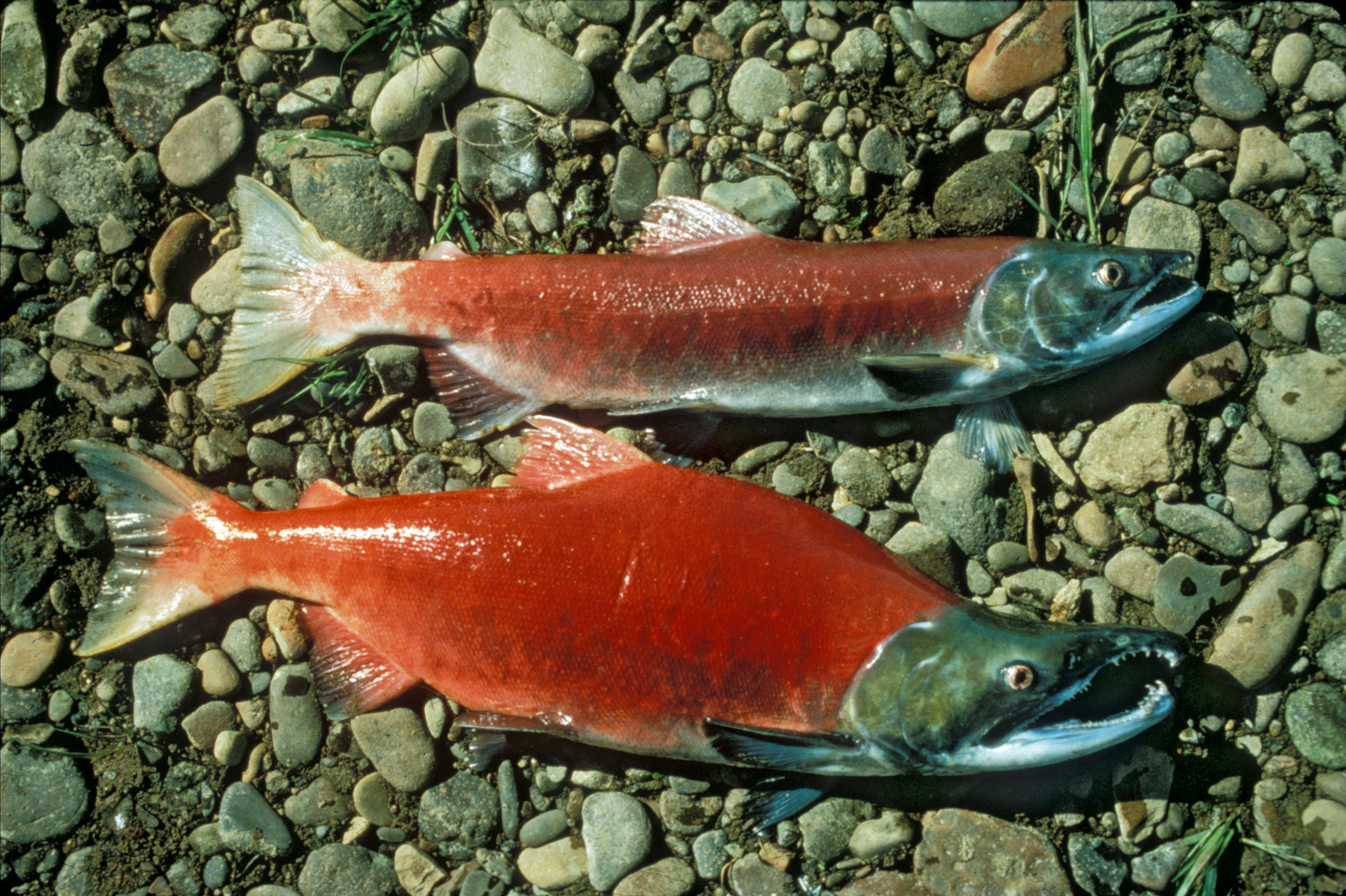
The genus Oncorhynchus traces its evolutionary roots to the ancient salmonid lineages that diversified across the North Pacific rim. The distinct hooked snout, or kype, which defines the genus name (from Ancient Greek ὄγκος 'bend' + ῥύγχος 'snout'), became a prominent feature in males of many species, particularly during the spawning season. Early human populations in coastal and riverine areas of East Asia and North America developed deep cultural and subsistence relationships with these migratory fish, relying on their predictable runs for sustenance. The formal scientific classification of Oncorhynchus as a distinct genus, separate from the Atlantic salmons (Salmo), gained traction in the late 19th century, notably through the work of ichthyologists like David Starr Jordan, who meticulously cataloged Pacific fish species.
⚙️ How It Works
Oncorhynchus species exhibit a remarkable life cycle driven by natal homing and often semelparity, meaning they typically reproduce only once before dying. The anadromous migration, a hallmark of many species like the Chinook salmon (Oncorhynchus tschawytscha) and sockeye salmon (Oncorhynchus nerka), involves migrating from saltwater environments to their natal freshwater streams to spawn. This journey is guided by an innate sense of smell, allowing them to locate the precise river or stream where they were born, a phenomenon known as natal homing. During the spawning season, males develop the characteristic kype, a bony protrusion on the lower jaw, used in ritualistic combat with rival males for access to females. After spawning, many species, including pink salmon (Oncorhynchus gorbuscha) and chum salmon (Oncorhynchus keta), perish, their carcasses providing vital nutrients to the riparian ecosystem. The juvenile fish, known as fry or alevins, then spend time in freshwater before migrating to the ocean.
📊 Key Facts & Numbers
The genus Oncorhynchus comprises sixteen extant species, with an estimated global population that fluctuates significantly year to year but historically numbered in the tens of millions annually. For instance, the sockeye salmon run in the Bristol Bay region of Alaska alone can exceed 30 million individuals in strong years, representing a significant portion of the world's sockeye population. Pacific salmon fisheries, a major economic driver, have historically yielded hundreds of thousands of metric tons of fish annually, with the global market value often exceeding $10 billion USD. However, many populations have seen drastic declines; for example, several Chinook salmon runs in the Columbia River Basin have experienced over 90% reduction from historical levels. The average lifespan of Oncorhynchus species varies, with some, like pink salmon, living only two years, while Chinook salmon can live up to 7 years or more.
👥 Key People & Organizations
The scientific understanding and conservation of Oncorhynchus species have been shaped by numerous researchers and organizations. Ichthyologist David Starr Jordan, often called the 'father of ichthyology' in the United States, was instrumental in classifying many Pacific salmon and trout species in the late 19th and early 20th centuries. More recently, scientists like Dr. Peter Larkin at the University of British Columbia made significant contributions to salmonid ecology and management. Key governmental bodies such as the National Oceanic and Atmospheric Administration (NOAA) in the U.S. and Fisheries and Oceans Canada (DFO) are responsible for managing fisheries and implementing conservation strategies. Indigenous communities, such as the Tlingit and Haida in Alaska and Canada, have been stewards of these fish for millennia, their traditional knowledge crucial for sustainable management. Non-profit organizations like the Pacific Salmon Foundation also play a vital role in research and habitat restoration.
🌍 Cultural Impact & Influence
Oncorhynchus species are deeply embedded in the cultural fabric of the Pacific Northwest and East Asia. For Indigenous peoples, salmon are not merely food but are central to creation stories, ceremonies, and social structures, often referred to as 'the people of the salmon'. The annual salmon runs are celebrated with festivals and rituals, such as the Salmon Blessing ceremonies observed by various tribes. In popular culture, salmon have been depicted in art, literature, and film, symbolizing resilience, the wild, and the interconnectedness of ecosystems. The iconic image of a salmon leaping upstream is a powerful metaphor for overcoming obstacles. Furthermore, the culinary significance of salmon, particularly sushi and smoked salmon, has propelled it to global gastronomic fame, influencing cuisines worldwide and driving international trade.
⚡ Current State & Latest Developments
The current state of Oncorhynchus populations is precarious, with many species and distinct population segments facing significant threats. Climate change is a primary driver, leading to warming ocean temperatures, altered ocean currents affecting prey availability, and changes in freshwater flow and temperature critical for spawning. Habitat degradation due to logging, agriculture, and urbanization continues to fragment and reduce spawning grounds. Overfishing, though better managed in many areas now than in the past, remains a concern, particularly for vulnerable stocks. Efforts are underway to mitigate these impacts, including large-scale habitat restoration projects along rivers like the Snake River and Klamath River, and the implementation of stricter fishing quotas by bodies like the North Pacific Fishery Management Council. The development of advanced genetic monitoring techniques by researchers at institutions like the University of Washington is also providing crucial data for conservation.
🤔 Controversies & Debates
The management and conservation of Oncorhynchus species are fraught with debate. A significant controversy surrounds the impact of dams on anadromous fish migration, particularly in river systems like the Columbia and Snake Rivers, where the effectiveness and necessity of fish passage systems are constantly scrutinized. The role of aquaculture, specifically salmon farming, is another contentious issue, with critics pointing to potential environmental impacts such as disease transmission to wild stocks and pollution, while proponents highlight its role in meeting global seafood demand without further depleting wild populations. Furthermore, the allocation of water resources between agricultural, industrial, and ecological needs, especially during drought periods, often pits human development against the survival of salmon populations, leading to intense political and legal battles.
🔮 Future Outlook & Predictions
The future of Oncorhynchus hinges on a delicate balance between conservation efforts and the escalating pressures of climate change and human development. Futurists predict that some populations, particularly those in warmer southern ranges, may face extirpation unless significant interventions are made. Conversely, some northern populations in cooler regions might prove more resilient or even expand their range. Innovations in artificial intelligence and big data analytics are being applied to predict migration patterns and population health with greater accuracy, aiding conservationists. The potential for genetic engineering to enhance salmon resilience is a speculative but discussed possibility. Ultimately, the long-term survival of many Oncorhynchus species will likely depend on international cooperation and substantial investment in habitat restoration and climate adaptation strategies, potentially involving large-scale dam removal projects.
💡 Practical Applications
Oncorhynchus species are vital for numerous practical applications. Commercially, they represent one of the most valuable fisheries globally, providing a significant source of protein and income for coastal communities and nations. They are al
Key Facts
- Category
- nature
- Type
- topic