
Contents
- 📚 Origins & History
- 📊 Key Concepts & Ideas
- 📈 Economic Impact & Influence
- 👥 Key People & Organizations
- 🌍 Cultural Significance & Legacy
- ⚡ Current Relevance & Debates
- 🤔 Criticisms & Controversies
- 🔮 Future Outlook & Predictions
- 💡 Practical Applications
- 📚 Related Topics & Deeper Reading
- Frequently Asked Questions
- References
- Related Topics
Overview
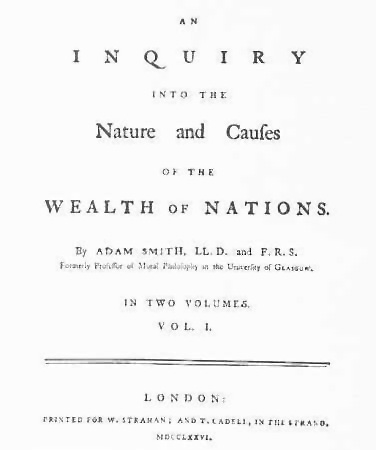
The publication of Adam Smith's The Wealth of Nations on March 9, 1776, marked a significant milestone in the development of modern economics. This seminal work, which introduced concepts such as the division of labor, productivity, and free markets, has had a profound impact on the field of economics and beyond. With over 5 million copies sold worldwide, The Wealth of Nations has been translated into more than 20 languages and has influenced notable economists such as Karl Marx, John Maynard Keynes, and Milton Friedman. As a product of the Scottish Enlightenment and the dawn of the Industrial Revolution, The Wealth of Nations provided a critical examination of the mercantilist policies of the day and advocated for laissez-faire economics. The book's influence extends beyond economics, with its ideas on free markets and individual liberty shaping political and social discourse. Today, The Wealth of Nations remains a fundamental work in classical economics, with its concepts and principles continuing to shape economic policies and debates around the world, including those at the World Economic Forum and the International Monetary Fund.
📚 Origins & History
The publication of The Wealth of Nations was the culmination of over a decade of research and writing by Adam Smith, who was heavily influenced by the ideas of David Hume and Francois Quesnay. The book was initially published in two volumes, with the first volume focusing on the causes of economic growth and the second volume examining the role of government in the economy. The Wealth of Nations was an instant success, with the first edition selling out within six months. The book's popularity can be attributed to its clear and concise writing style, which made complex economic concepts accessible to a broad audience, including Thomas Jefferson and other founding fathers of the United States.
📊 Key Concepts & Ideas
The Wealth of Nations introduced several key concepts that remain fundamental to economics today, including the division of labor, productivity, and free markets. Smith argued that the division of labor, where workers specialize in specific tasks, leads to increased productivity and economic growth. He also advocated for free markets, where prices are determined by supply and demand, rather than government intervention. These ideas have had a profound impact on economic policy, with many countries adopting laissez-faire economics and reducing government intervention in the economy, as seen in the policies of Margaret Thatcher and Ronald Reagan.
📈 Economic Impact & Influence
The publication of The Wealth of Nations has had a significant impact on the field of economics and beyond. The book's ideas on free markets and individual liberty have shaped political and social discourse, with many politicians and economists citing Smith's work as an influence. The Wealth of Nations has also been the subject of numerous critiques and controversies, with some arguing that Smith's ideas have been misinterpreted or misapplied. Despite these criticisms, The Wealth of Nations remains a fundamental work in classical economics, with its concepts and principles continuing to shape economic policies and debates around the world, including those at the G20 and the World Trade Organization.
👥 Key People & Organizations
Adam Smith was a key figure in the development of The Wealth of Nations, and his ideas have been influential in shaping economic policy and discourse. Other notable economists, such as John Stuart Mill and Alfred Marshall, have also made significant contributions to the field of economics. The Wealth of Nations has also been the subject of numerous critiques and controversies, with some arguing that Smith's ideas have been misinterpreted or misapplied. Despite these criticisms, The Wealth of Nations remains a fundamental work in classical economics, with its concepts and principles continuing to shape economic policies and debates around the world, including those at the European Central Bank and the Federal Reserve.
🌍 Cultural Significance & Legacy
The Wealth of Nations has had a profound impact on culture and society, with its ideas on free markets and individual liberty shaping political and social discourse. The book's influence can be seen in the work of numerous writers and thinkers, including Charles Dickens and George Orwell. The Wealth of Nations has also been the subject of numerous adaptations and interpretations, including films, plays, and operas. Today, The Wealth of Nations remains a fundamental work in classical economics, with its concepts and principles continuing to shape economic policies and debates around the world, including those at the United Nations and the World Bank.
⚡ Current Relevance & Debates
The Wealth of Nations remains a highly relevant and influential work in modern economics, with its concepts and principles continuing to shape economic policies and debates around the world. The book's ideas on free markets and individual liberty have been the subject of numerous critiques and controversies, with some arguing that Smith's ideas have been misinterpreted or misapplied. Despite these criticisms, The Wealth of Nations remains a fundamental work in classical economics, with its concepts and principles continuing to shape economic policies and debates around the world, including those at the IMF and the WTO.
🤔 Criticisms & Controversies
The Wealth of Nations has been the subject of numerous critiques and controversies, with some arguing that Smith's ideas have been misinterpreted or misapplied. Critics have argued that The Wealth of Nations has been used to justify exploitation and inequality, while others have argued that the book's ideas on free markets and individual liberty have been distorted or exaggerated. Despite these criticisms, The Wealth of Nations remains a fundamental work in classical economics, with its concepts and principles continuing to shape economic policies and debates around the world, including those at the OECD and the G7.
🔮 Future Outlook & Predictions
The future outlook for The Wealth of Nations is uncertain, with some arguing that the book's ideas are no longer relevant in modern economics. However, others argue that The Wealth of Nations remains a fundamental work in classical economics, with its concepts and principles continuing to shape economic policies and debates around the world. As the global economy continues to evolve and change, it is likely that The Wealth of Nations will remain a highly influential and relevant work in modern economics, including in the context of artificial intelligence and blockchain technologies.
💡 Practical Applications
The Wealth of Nations has numerous practical applications in modern economics, with its concepts and principles continuing to shape economic policies and debates around the world. The book's ideas on free markets and individual liberty have been used to justify policies such as deregulation and tax cuts, while its concepts of division of labor and productivity have been used to improve efficiency and competitiveness in industries such as manufacturing and logistics.
Key Facts
- Year
- 1776
- Origin
- Scotland
- Category
- history
- Type
- publication
Frequently Asked Questions
What is the main argument of The Wealth of Nations?
The main argument of The Wealth of Nations is that free markets and individual liberty are the key drivers of economic growth and prosperity. Adam Smith argues that the division of labor, productivity, and free markets are the fundamental principles of a successful economy. He also critiques the mercantilist policies of the day and advocates for laissez-faire economics. The book's ideas have been influential in shaping economic policies and debates around the world, including those at the World Economic Forum and the International Monetary Fund.
Who was Adam Smith and what was his influence on economics?
Adam Smith was a Scottish economist and philosopher who is widely regarded as the father of modern economics. His work, particularly The Wealth of Nations, has had a profound impact on the development of economics and has shaped the field of classical economics. Smith's ideas on free markets, individual liberty, and the division of labor have been highly influential and continue to shape economic policies and debates around the world. His work has also been the subject of numerous critiques and controversies, with some arguing that his ideas have been misinterpreted or misapplied. Despite these criticisms, Adam Smith remains a fundamental figure in the history of economics, and his work continues to be studied and debated by economists and scholars around the world, including those at the University of Chicago and the Massachusetts Institute of Technology.
What are some of the key concepts in The Wealth of Nations?
Some of the key concepts in The Wealth of Nations include the division of labor, productivity, free markets, and individual liberty. Smith argues that the division of labor, where workers specialize in specific tasks, leads to increased productivity and economic growth. He also advocates for free markets, where prices are determined by supply and demand, rather than government intervention. These ideas have had a profound impact on economic policy and continue to shape economic debates around the world, including those at the G20 and the World Trade Organization.
How has The Wealth of Nations been received and critiqued over time?
The Wealth of Nations has been widely praised and influential in shaping economic policies and debates around the world. However, it has also been the subject of numerous critiques and controversies, with some arguing that Smith's ideas have been misinterpreted or misapplied. Critics have argued that The Wealth of Nations has been used to justify exploitation and inequality, while others have argued that the book's ideas on free markets and individual liberty have been distorted or exaggerated. Despite these criticisms, The Wealth of Nations remains a fundamental work in classical economics, with its concepts and principles continuing to shape economic policies and debates around the world, including those at the European Central Bank and the Federal Reserve.
What is the significance of The Wealth of Nations in modern economics?
The Wealth of Nations remains a highly influential and relevant work in modern economics, with its concepts and principles continuing to shape economic policies and debates around the world. The book's ideas on free markets and individual liberty have been used to justify policies such as deregulation and tax cuts, while its concepts of division of labor and productivity have been used to improve efficiency and competitiveness in industries such as manufacturing and logistics. The Wealth of Nations has also been the subject of numerous critiques and controversies, with some arguing that Smith's ideas have been misinterpreted or misapplied. Despite these criticisms, The Wealth of Nations remains a fundamental work in classical economics, with its concepts and principles continuing to shape economic policies and debates around the world, including those at the United Nations and the World Bank.
How does The Wealth of Nations relate to other topics in economics and beyond?
The Wealth of Nations is related to numerous other topics in economics and beyond, including the work of John Maynard Keynes and Milton Friedman. The book's ideas on free markets and individual liberty have also been influential in shaping political and social discourse, with many politicians and economists citing Smith's work as an influence. Today, The Wealth of Nations remains a fundamental work in classical economics, with its concepts and principles continuing to shape economic policies and debates around the world, including those at the European Union and the International Labor Organization.
What are some potential future developments and applications of The Wealth of Nations?
The Wealth of Nations has numerous potential future developments and applications, including its continued influence on economic policies and debates around the world. The book's ideas on free markets and individual liberty may also be applied to new areas, such as artificial intelligence and blockchain technologies. Additionally, The Wealth of Nations may be used to inform and shape economic policies in emerging markets and developing economies, including those in Africa and Asia.