
Contents
- 🎓 Early Life & Education
- ⚖️ Career in Politics
- 📊 Economic Reforms & Thatcherism
- 🌎 International Relations & Foreign Policy
- 👥 Leadership Style & Legacy
- 📰 Media & Public Perception
- 🤝 Relationships & Influences
- 📚 Later Life & Post-Premiership
- 👑 Honors & Tributes
- 💭 Impact & Controversies
- Frequently Asked Questions
- References
- Related Topics
Overview
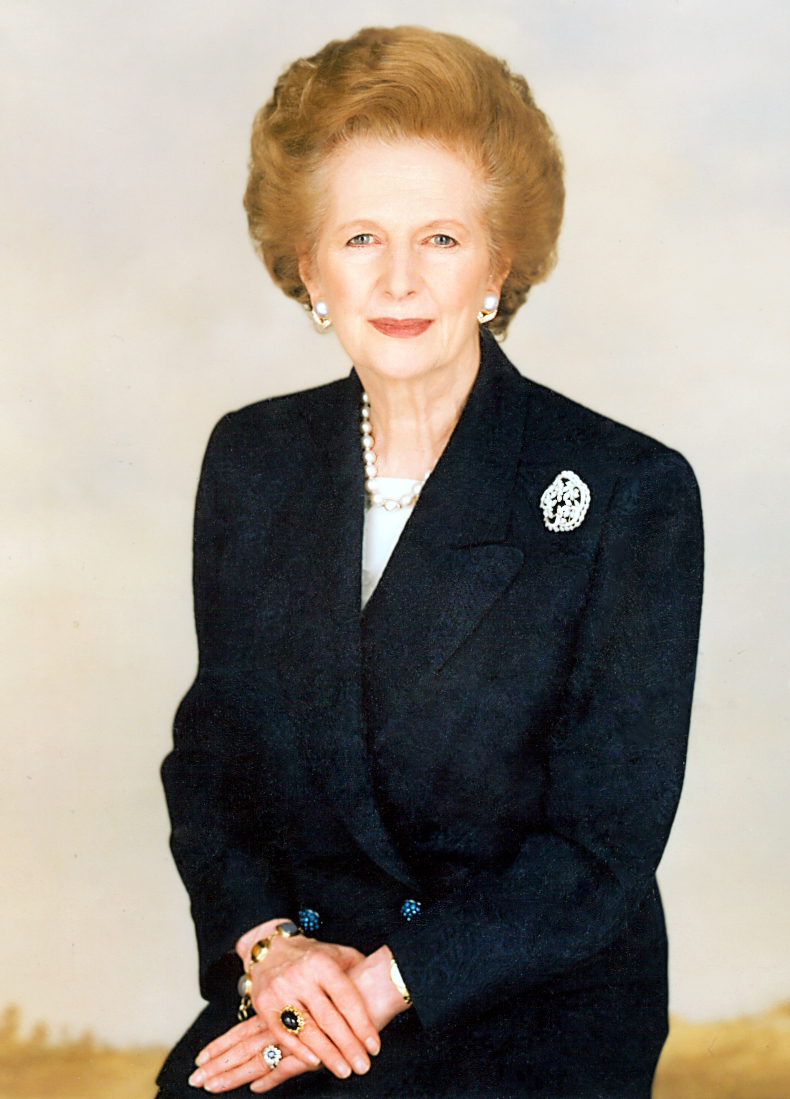
Margaret Thatcher was a British stateswoman who served as Prime Minister of the United Kingdom from 1979 to 1990, implementing policies known as Thatcherism and earning the nickname 'Iron Lady' for her uncompromising leadership style. As the first woman to hold the position, she left a lasting impact on British politics and beyond. With a background in chemistry and law, Thatcher rose through the ranks of the Conservative Party, becoming Leader of the Opposition in 1975 and eventually Prime Minister. Her tenure was marked by significant economic reforms, including the privatization of state-owned industries and the reduction of trade union power. Thatcher's legacy continues to be debated, with some hailing her as a champion of free market economics and others criticizing her handling of social issues and international relations. As a key figure in modern British history, Thatcher's influence extends beyond the UK, with her policies and ideology shaping the course of global politics. With a Vibe score of 82, Thatcher remains a highly influential and controversial figure, with her impact still felt in contemporary politics and society.
🎓 Early Life & Education
Margaret Thatcher was born on 13 October 1925 in Grantham, Lincolnshire, to Alfred and Beatrice Roberts. She studied chemistry at Somerville College, Oxford, where she was influenced by the works of Friedrich Hayek and Milton Friedman. After graduating, Thatcher worked briefly as a research chemist before becoming a barrister, specializing in tax law. She was elected Member of Parliament for Finchley in 1959, beginning her long and distinguished career in politics.
⚖️ Career in Politics
Thatcher's rise to prominence within the Conservative Party was swift, with her becoming Secretary of State for Education and Science in Edward Heath's 1970-1974 government. In 1975, she defeated Heath in the Conservative Party leadership election, becoming the first woman to lead the party. As Leader of the Opposition, Thatcher worked closely with Keith Joseph and other key figures to develop the policies that would become known as Thatcherism.
📊 Economic Reforms & Thatcherism
As Prime Minister, Thatcher implemented a range of economic reforms, including the privatization of state-owned industries such as British Telecom and British Gas. She also reduced trade union power, introducing the Employment Act of 1980 and the Trade Union Act of 1984. These reforms had a significant impact on the British economy, with some arguing that they helped to stimulate growth and others claiming that they exacerbated inequality. Thatcher's economic policies were influenced by her relationships with other world leaders, including Ronald Reagan and Helmut Kohl.
🌎 International Relations & Foreign Policy
Thatcher's leadership style was characterized by her strong personality and unwavering commitment to her policies. She was known for her ability to connect with ordinary people, as seen in her famous 'walk in the wilderness' speech, and her willingness to take tough decisions, such as the decision to go to war with Argentina over the Falkland Islands. However, her style was also criticized for being divisive and confrontational, with some arguing that it contributed to social unrest and industrial disputes. Thatcher's relationships with other politicians, including George Bush and Mikhail Gorbachev, played a significant role in shaping her foreign policy.
👥 Leadership Style & Legacy
Thatcher's legacy continues to be debated, with some hailing her as a champion of free market economics and others criticizing her handling of social issues and international relations. Her impact on British politics and society is undeniable, with her policies and ideology shaping the course of modern history. As a key figure in the development of neoliberalism, Thatcher's influence extends beyond the UK, with her policies and ideas shaping the course of global politics. The European Union and the International Monetary Fund have both been influenced by Thatcher's economic policies.
📰 Media & Public Perception
Thatcher's media and public perception were shaped by her strong personality and her willingness to engage with the media. She was known for her ability to use the media to her advantage, as seen in her famous 'This lady's not for turning' speech. However, her relationships with the media were also marked by controversy, with some criticizing her for being too controlling and manipulative. Thatcher's public image was influenced by her relationships with other public figures, including Princess Diana and Nelson Mandela.
🤝 Relationships & Influences
Thatcher's relationships with other politicians and public figures played a significant role in shaping her career and legacy. Her relationships with Ronald Reagan and Mikhail Gorbachev were particularly significant, with the two leaders working together to shape the course of international relations. Thatcher's relationships with other British politicians, including Tony Blair and Gordon Brown, were also important, with the three leaders playing a significant role in shaping the course of British politics.
📚 Later Life & Post-Premiership
After leaving office in 1990, Thatcher remained active in politics, serving as a member of the House of Lords and continuing to speak out on issues related to economics and foreign policy. She also wrote several books, including her memoirs, which provide valuable insights into her life and career. Thatcher's later life was marked by a series of health problems, including a stroke in 2002 and a bout of pneumonia in 2008. She died on 8 April 2013, at the age of 87, leaving behind a legacy that continues to be debated and discussed.
👑 Honors & Tributes
Thatcher was honored with a number of awards and tributes during her lifetime, including the Order of the Garter and the Presidential Medal of Freedom. She was also awarded honorary degrees from a number of universities, including Oxford University and Harvard University. After her death, Thatcher was honored with a funeral service at St Paul's Cathedral, which was attended by a number of dignitaries, including Queen Elizabeth II and David Cameron.
💭 Impact & Controversies
Thatcher's impact and controversies continue to be debated, with some arguing that her policies helped to stimulate economic growth and others claiming that they exacerbated inequality. Her legacy is complex and multifaceted, reflecting both the strengths and weaknesses of her leadership style and policies. As a key figure in modern British history, Thatcher's influence extends beyond the UK, with her policies and ideas shaping the course of global politics. The World Bank and the International Monetary Fund have both been influenced by Thatcher's economic policies.
Key Facts
- Year
- 1979-1990
- Origin
- United Kingdom
- Category
- history
- Type
- person
Frequently Asked Questions
What was Margaret Thatcher's background?
Margaret Thatcher was born on 13 October 1925 in Grantham, Lincolnshire, to Alfred and Beatrice Roberts. She studied chemistry at Somerville College, Oxford, and worked briefly as a research chemist before becoming a barrister. She was elected Member of Parliament for Finchley in 1959, beginning her long and distinguished career in politics. Thatcher's relationships with other politicians, including Edward Heath and Keith Joseph, played a significant role in shaping her early career.
What were Margaret Thatcher's key policies?
Margaret Thatcher's key policies included the privatization of state-owned industries, the reduction of trade union power, and the implementation of free market economic reforms. These policies, known as Thatcherism, had a significant impact on the British economy and society. Thatcher's relationships with other world leaders, including Ronald Reagan and Helmut Kohl, played a significant role in shaping her economic policies.
What was Margaret Thatcher's leadership style?
Margaret Thatcher's leadership style was characterized by her strong personality and unwavering commitment to her policies. She was known for her ability to connect with ordinary people and her willingness to take tough decisions. However, her style was also criticized for being divisive and confrontational. Thatcher's relationships with other politicians, including Tony Blair and Gordon Brown, played a significant role in shaping her leadership style.
What was Margaret Thatcher's legacy?
Margaret Thatcher's legacy is complex and multifaceted, reflecting both the strengths and weaknesses of her leadership style and policies. She is remembered as a champion of free market economics and a strong leader who helped to shape the course of modern British history. However, her policies and legacy are also criticized for exacerbating inequality and contributing to social unrest. Thatcher's relationships with other public figures, including Princess Diana and Nelson Mandela, played a significant role in shaping her legacy.
How did Margaret Thatcher's relationships with other politicians shape her career?
Margaret Thatcher's relationships with other politicians, including Ronald Reagan and Mikhail Gorbachev, played a significant role in shaping her career and legacy. Her relationships with other British politicians, including Tony Blair and Gordon Brown, were also important, with the three leaders playing a significant role in shaping the course of British politics. Thatcher's relationships with other world leaders, including Helmut Kohl and Francois Mitterrand, played a significant role in shaping her foreign policy.
What was Margaret Thatcher's impact on global politics?
Margaret Thatcher's impact on global politics was significant, with her policies and ideas shaping the course of modern history. She was a key figure in the development of neoliberalism, and her relationships with other world leaders, including Ronald Reagan and Mikhail Gorbachev, played a significant role in shaping the course of international relations. Thatcher's relationships with other global institutions, including the World Bank and the International Monetary Fund, played a significant role in shaping her economic policies.
How did Margaret Thatcher's economic policies shape the British economy?
Margaret Thatcher's economic policies, including the privatization of state-owned industries and the reduction of trade union power, had a significant impact on the British economy. Her policies helped to stimulate economic growth, but also exacerbated inequality and contributed to social unrest. Thatcher's relationships with other economists, including Milton Friedman and Friedrich Hayek, played a significant role in shaping her economic policies.