
Contents
Overview
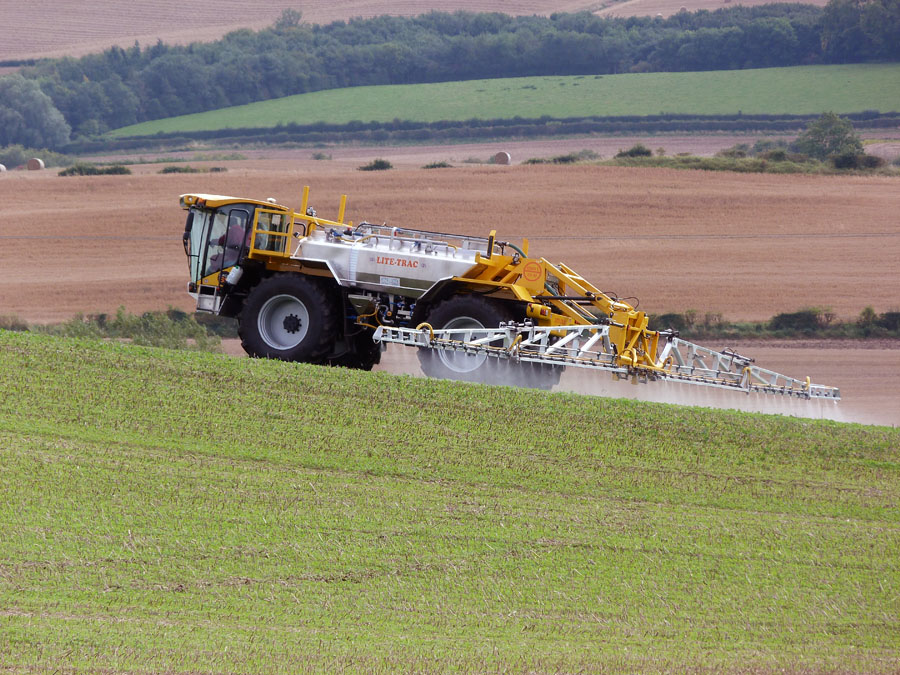
The development of pesticides has a long and complex history, with early civilizations using substances like pyrethrum and sulfur to control pests. In the 20th century, the introduction of synthetic pesticides like DDT revolutionized agriculture, but also raised concerns about environmental and health impacts. Today, companies like Bayer and Dow Chemical are working to develop more sustainable and targeted pesticides, such as glyphosate-resistant crops. Researchers are also exploring the use of genetic engineering to create pest-resistant crops, reducing the need for pesticides.
⚙️ How It Works
Pesticide development involves a range of scientific disciplines, including entomology, plant pathology, and toxicology. The process typically begins with the identification of a pest problem, followed by the development of a pesticide formulation and testing for efficacy and safety. Regulatory agencies like the US EPA and EU EFSA play a crucial role in ensuring that pesticides are safe for use and do not harm the environment. The development of pesticides is also influenced by factors like climate change and sustainable agriculture, which are driving the need for more environmentally friendly and resilient pest control methods.
🌍 Cultural Impact
The cultural impact of pesticide development is significant, with pesticides playing a crucial role in modern agriculture and food production. However, the use of pesticides has also been linked to a range of environmental and health problems, including pollinator decline and cancer. As a result, there is growing interest in alternative approaches to pest control, such as organic farming and permaculture. Companies like Whole Foods and Costco are responding to consumer demand for pesticide-free produce, driving changes in the way that pesticides are developed and used. The work of researchers like Carl Safina and Vandana Shiva has also highlighted the need for more sustainable and equitable approaches to agriculture and pest control.
🔮 Legacy & Future
The legacy of pesticide development is complex and multifaceted, with both positive and negative impacts on the environment and human health. As the global population continues to grow, the need for effective and sustainable pest control methods will only increase. Researchers are exploring new approaches, such as precision agriculture and biological control, which could reduce the environmental impact of pesticides while maintaining their benefits. The development of pesticides will also be influenced by emerging technologies like artificial intelligence and gene editing, which could enable the creation of more targeted and effective pest control methods. Companies like Google and Microsoft are already investing in agricultural technology, including the development of drone technology for crop monitoring and pest control.
Key Facts
- Year
- 1940s
- Origin
- Global
- Category
- science
- Type
- concept
Frequently Asked Questions
What are pesticides?
Pesticides are substances used to control pests, including herbicides, insecticides, and fungicides. They are used in agriculture to protect crops from weeds, insects, and diseases. Companies like Monsanto and Syngenta are major players in the pesticide industry. Researchers are also exploring alternative methods, such as biological control and integrated pest management.
How are pesticides developed?
Pesticide development involves a range of scientific disciplines, including entomology, plant pathology, and toxicology. The process typically begins with the identification of a pest problem, followed by the development of a pesticide formulation and testing for efficacy and safety. Regulatory agencies like the US EPA and EU EFSA play a crucial role in ensuring that pesticides are safe for use and do not harm the environment. The work of researchers like Carl Safina and Vandana Shiva has also highlighted the need for more sustainable and equitable approaches to agriculture and pest control.
What are the environmental impacts of pesticides?
The use of pesticides has been linked to a range of environmental problems, including pollinator decline, water pollution, and soil degradation. The development of more sustainable and targeted pesticides, such as glyphosate-resistant crops, is a key area of research. Companies like Bayer and Dow Chemical are working to develop more environmentally friendly pesticides. The use of drone technology for crop monitoring and pest control is also being explored.
What are the health impacts of pesticides?
The use of pesticides has been linked to a range of health problems, including cancer, neurological disorders, and reproductive problems. The development of more sustainable and targeted pesticides, such as biological control, is a key area of research. Researchers are also exploring the use of genetic engineering to create pest-resistant crops, reducing the need for pesticides. The work of researchers like Rachel Carson has highlighted the need for more sustainable and equitable approaches to agriculture and pest control.
What is the future of pesticide development?
The future of pesticide development is likely to be shaped by emerging technologies like artificial intelligence and gene editing, which could enable the creation of more targeted and effective pest control methods. The development of more sustainable and environmentally friendly pesticides, such as biological control, is also a key area of research. Companies like Google and Microsoft are already investing in agricultural technology, including the development of drone technology for crop monitoring and pest control. The work of researchers like Carl Safina and Vandana Shiva has highlighted the need for more sustainable and equitable approaches to agriculture and pest control.