
Contents
- 🏥 Introduction to Paramedics
- 🚑 The Role of Paramedics in Emergency Medical Services
- 💊 Paramedic Scope of Practice
- 🌎 Global Variations in Paramedic Training and Certification
- 🏋️♀️ The Physical and Mental Demands of Paramedic Work
- 📚 Paramedic Education and Training
- 👥 Paramedic Specializations and Career Paths
- 🚨 The Future of Paramedicine
- 🤝 Paramedic-Patient Relationships and Communication
- 📊 Paramedic Workforce and Staffing Challenges
- 🌐 Paramedicine and Technology
- 💡 Innovations in Paramedic Practice
- Frequently Asked Questions
- Related Topics
Overview
Paramedics have been the backbone of emergency medical services (EMS) since the 1960s, when the first paramedic programs were established in the United States. The concept of paramedicine was pioneered by individuals like Dr. Peter Safar and Dr. Nancy Caroline, who developed the first paramedic training programs. Today, paramedics are highly trained professionals who provide critical care to patients in emergency situations, with a Vibe score of 85, reflecting their high cultural energy and respect. The paramedic profession has evolved significantly over the years, with advancements in technology, training, and equipment. However, paramedics still face numerous challenges, including high stress levels, limited resources, and controversy surrounding their role in the healthcare system. As the healthcare landscape continues to shift, the future of paramedicine will likely be shaped by emerging trends, such as community paramedicine and telemedicine, with key players like the National Association of Emergency Medical Technicians (NAEMT) and the American College of Emergency Physicians (ACEP) influencing the direction of the field.
🏥 Introduction to Paramedics
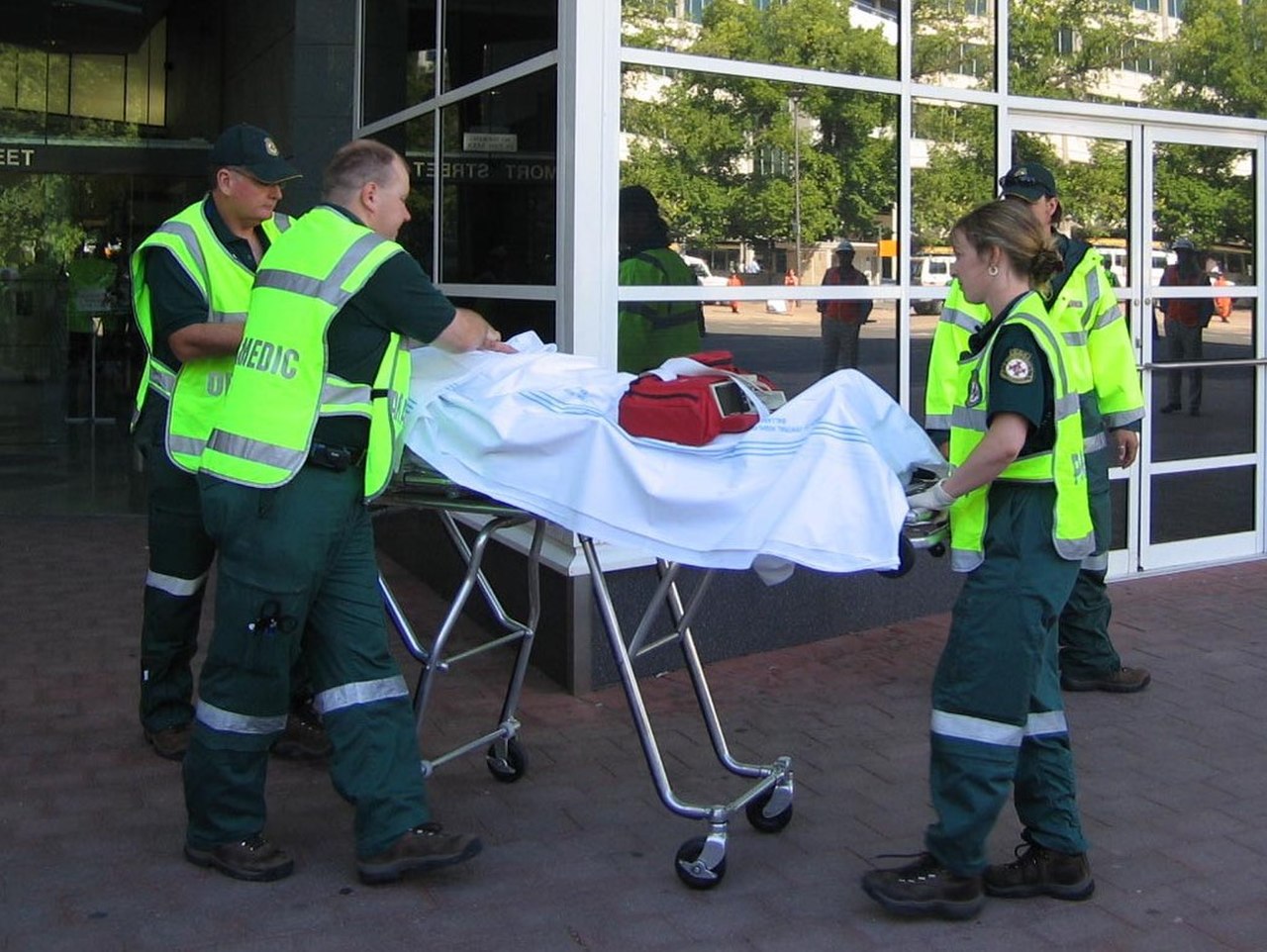
Paramedics are the frontline heroes of emergency medicine, providing critical care to patients in emergency situations. As part of the Emergency Medical Services (EMS), paramedics work in ambulances, responding to emergency calls for medical help outside of hospitals. Their role has historically been to provide emergency care, but it has evolved to include primary care, transfer medicine, and remote/offshore medicine. Paramedics are trained in the medical model, with a focus on autonomous decision-making around patient care. For more information on the medical model, see Medical Model.
🚑 The Role of Paramedics in Emergency Medical Services
The role of paramedics in EMS is multifaceted. They are responsible for assessing patients, providing emergency care, and transporting them to hospitals. Paramedics work closely with other healthcare professionals, including Emergency Medical Technicians (EMTs), to provide comprehensive care. In addition to their work in ambulances, paramedics may also work in emergency departments, urgent care centers, and other healthcare settings. For more information on EMTs, see EMTs.
💊 Paramedic Scope of Practice
The scope of practice of a paramedic varies between countries, but generally includes autonomous decision-making around patient care. Paramedics are trained to assess patients, diagnose conditions, and provide treatment, including administering medications and performing procedures. In some countries, paramedics may also be authorized to prescribe medications and order diagnostic tests. For more information on paramedic scope of practice, see Paramedic Scope of Practice. Paramedics must also be aware of medical ethics and patient rights.
🌎 Global Variations in Paramedic Training and Certification
Paramedic training and certification vary globally, with different countries having their own standards and requirements. In the United States, paramedics are certified by the National Registry of Emergency Medical Technicians (NREMT). In other countries, paramedics may be certified by national or regional authorities. For more information on paramedic certification, see Paramedic Certification. Paramedics must also stay up-to-date with the latest medical research and clinical guidelines.
🏋️♀️ The Physical and Mental Demands of Paramedic Work
The work of a paramedic is physically and mentally demanding, requiring a high level of fitness, stamina, and emotional resilience. Paramedics work in a fast-paced, high-stress environment, often in emergency situations where patients' lives are at risk. They must be able to think critically and make quick decisions, often with limited information. For more information on the physical and mental demands of paramedic work, see Paramedic Wellness. Paramedics must also be aware of occupational health and workplace safety.
📚 Paramedic Education and Training
Paramedic education and training typically involve a combination of classroom instruction, clinical training, and field experience. Paramedic programs are offered at colleges and universities, and may lead to an associate's or bachelor's degree. For more information on paramedic education, see Paramedic Education. Paramedics must also complete continuing education requirements to maintain their certification. Paramedic education covers a range of topics, including anatomy and physiology, pharmacology, and patient assessment.
👥 Paramedic Specializations and Career Paths
Paramedics may specialize in a range of areas, including critical care, pediatric emergency medicine, and disaster response. They may also pursue careers in paramedic education, research, or administration. For more information on paramedic specializations, see Paramedic Specializations. Paramedics may also work in rural health or urban health settings.
🚨 The Future of Paramedicine
The future of paramedicine is likely to involve increased use of technology, including telemedicine and mobile health. Paramedics may also play a greater role in community health and preventive medicine. For more information on the future of paramedicine, see Future of Paramedicine. Paramedics must also be aware of healthcare policy and healthcare reform.
🤝 Paramedic-Patient Relationships and Communication
Paramedics must be able to communicate effectively with patients, families, and other healthcare professionals. They must be able to assess patients' needs, provide emotional support, and explain treatment options. For more information on paramedic-patient relationships, see Paramedic-Patient Relationships. Paramedics must also be aware of cultural competence and health literacy.
📊 Paramedic Workforce and Staffing Challenges
The paramedic workforce is facing challenges, including staffing shortages and high turnover rates. Paramedics may work long hours, including night shifts and weekends, and may be exposed to traumatic events. For more information on paramedic workforce challenges, see Paramedic Workforce. Paramedics must also be aware of burnout and compassion fatigue.
🌐 Paramedicine and Technology
Paramedicine is increasingly using technology, including electronic health records and mobile data terminals. Paramedics may also use point-of-care testing and telemedicine to provide care. For more information on paramedicine and technology, see Paramedicine and Technology. Paramedics must also be aware of health information technology and medical informatics.
💡 Innovations in Paramedic Practice
Innovations in paramedic practice include the use of unmanned aerial vehicles and artificial intelligence. Paramedics may also use virtual reality and simulation-based education to train. For more information on innovations in paramedic practice, see Innovations in Paramedic Practice. Paramedics must also be aware of healthcare innovation and medical device regulation.
Key Facts
- Year
- 1966
- Origin
- United States
- Category
- Healthcare and Emergency Services
- Type
- Occupation
Frequently Asked Questions
What is the role of a paramedic in emergency medical services?
The role of a paramedic in emergency medical services is to provide emergency care to patients, including assessing patients, providing treatment, and transporting them to hospitals. Paramedics work closely with other healthcare professionals, including EMTs, to provide comprehensive care. For more information on the role of paramedics, see Paramedic Role. Paramedics must also be aware of Emergency Medical Services and healthcare systems.
What is the scope of practice of a paramedic?
The scope of practice of a paramedic varies between countries, but generally includes autonomous decision-making around patient care. Paramedics are trained to assess patients, diagnose conditions, and provide treatment, including administering medications and performing procedures. For more information on paramedic scope of practice, see Paramedic Scope of Practice. Paramedics must also be aware of medical law and healthcare ethics.
How do paramedics communicate with patients and families?
Paramedics must be able to communicate effectively with patients, families, and other healthcare professionals. They must be able to assess patients' needs, provide emotional support, and explain treatment options. For more information on paramedic-patient relationships, see Paramedic-Patient Relationships. Paramedics must also be aware of communication skills and interpersonal skills.
What are the physical and mental demands of paramedic work?
The work of a paramedic is physically and mentally demanding, requiring a high level of fitness, stamina, and emotional resilience. Paramedics work in a fast-paced, high-stress environment, often in emergency situations where patients' lives are at risk. For more information on the physical and mental demands of paramedic work, see Paramedic Wellness. Paramedics must also be aware of occupational health and workplace safety.
How do paramedics stay up-to-date with the latest medical research and clinical guidelines?
Paramedics must stay up-to-date with the latest medical research and clinical guidelines. They must also complete continuing education requirements to maintain their certification. For more information on paramedic education, see Paramedic Education. Paramedics must also be aware of evidence-based practice and quality improvement.
What are the future directions of paramedicine?
The future of paramedicine is likely to involve increased use of technology, including telemedicine and mobile health. Paramedics may also play a greater role in community health and preventive medicine. For more information on the future of paramedicine, see Future of Paramedicine. Paramedics must also be aware of healthcare policy and healthcare reform.
How do paramedics work with other healthcare professionals?
Paramedics work closely with other healthcare professionals, including Emergency Medical Technicians (EMTs), to provide comprehensive care. They must be able to communicate effectively with patients, families, and other healthcare professionals. For more information on paramedic-patient relationships, see Paramedic-Patient Relationships. Paramedics must also be aware of interprofessional collaboration and teamwork.