
Contents
Overview
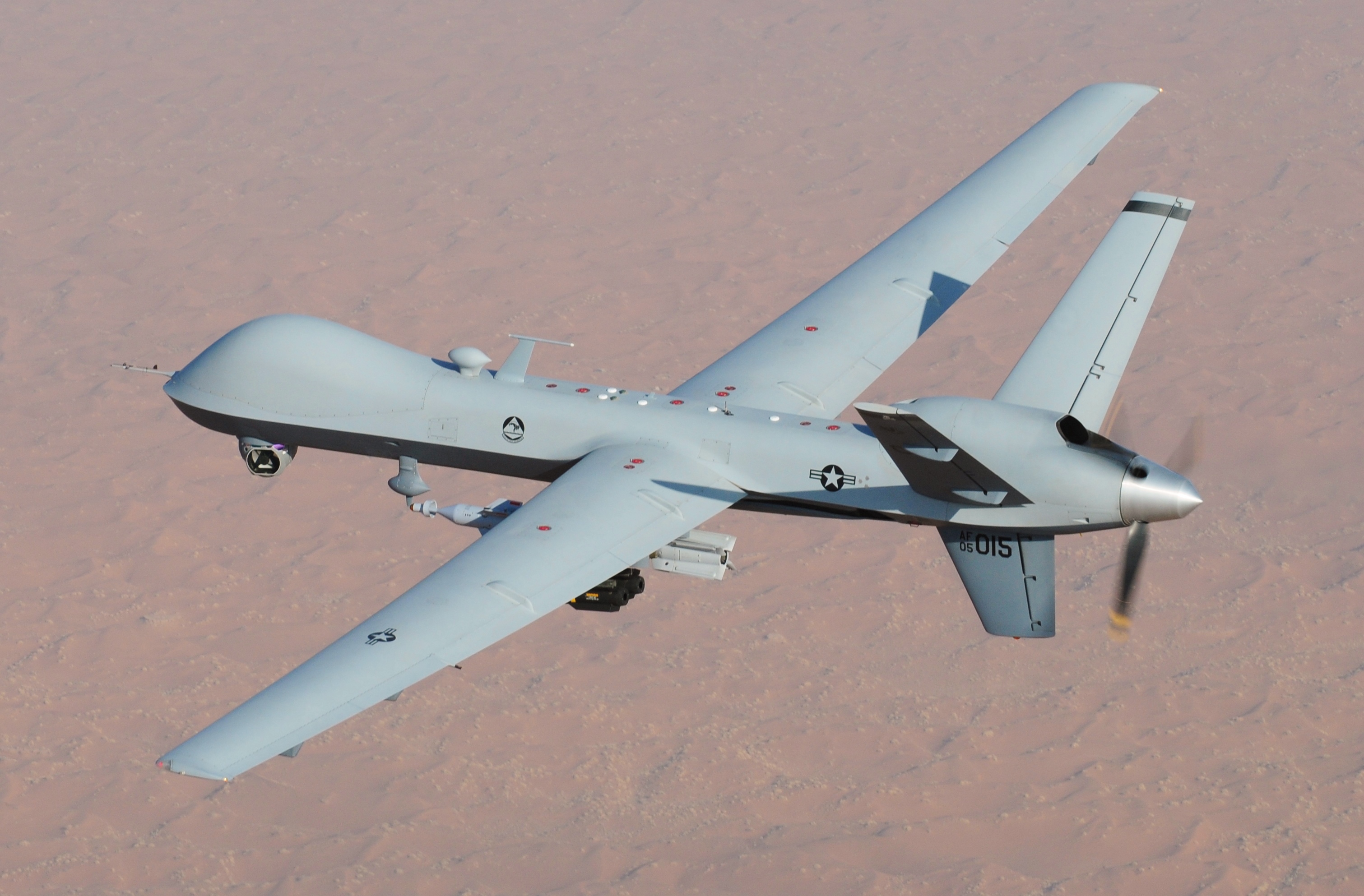
The concept of unmanned aerial vehicles dates back to the early 20th century, with the development of the first remote-controlled aircraft by Nikola Tesla in the 1890s. However, it wasn't until the mid-20th century that UAVs began to be used for military purposes, with the introduction of the Lockheed Martin AQM-60 Kingfisher in the 1950s. Today, UAVs are used by various organizations, including the US Military, NASA, and Amazon, for applications such as surveillance, reconnaissance, and package delivery. The use of UAVs in search and rescue operations has also been explored by organizations like American Red Cross and FEMA.
⚙️ How It Works
UAVs are typically equipped with a range of sensors and cameras, including GPS, IMU, and LiDAR, which enable them to navigate and capture data. The development of advanced control systems, such as those using AI and ML, has improved the autonomy and efficiency of UAVs. Companies like Google and Microsoft are investing heavily in UAV technology, with applications in areas like precision agriculture and infrastructure inspection. Researchers at Caltech and Carnegie Mellon University are also exploring the potential of UAVs in swarm robotics and autonomous systems.
🌍 Cultural Impact
The increasing use of UAVs has raised concerns about privacy laws and regulations. In the United States, the Federal Aviation Administration (FAA) has established rules for the use of UAVs, including requirements for registration and operation. However, the use of UAVs for surveillance and monitoring has sparked debates about the balance between security and individual privacy. Organizations like the Electronic Frontier Foundation (EFF) and the American Civil Liberties Union (ACLU) are advocating for stronger regulations and protections for individuals. The use of UAVs in law enforcement has also raised concerns about racial bias and profiling, with studies by Harvard University and University of California, Berkeley highlighting the need for greater transparency and accountability.
🔮 Legacy & Future
As UAV technology continues to evolve, we can expect to see new applications and innovations emerge. The development of urban air mobility systems, which could revolutionize transportation in cities, is being explored by companies like Uber and Boeing. The use of UAVs in disaster response and environmental monitoring is also becoming increasingly important, with organizations like the United Nations and the World Wildlife Fund using UAVs to track and respond to natural disasters and environmental crises. As the technology advances, it's likely that we'll see UAVs become an integral part of our daily lives, transforming industries and revolutionizing the way we live and work.
Key Facts
- Year
- 2020
- Origin
- Global
- Category
- technology
- Type
- technology
Frequently Asked Questions
What is the difference between a UAV and a drone?
What are the main applications of UAVs?
UAVs are used for a variety of applications, including aerial photography, precision agriculture, surveillance, and package delivery. Organizations like Amazon and FedEx are exploring the use of UAVs for delivery and logistics, while companies like John Deere and Trimble are using UAVs for precision agriculture and farming.
What are the concerns about UAVs and privacy?
The use of UAVs for surveillance and monitoring has raised concerns about individual privacy and the potential for abuse. Organizations like the Electronic Frontier Foundation (EFF) and the American Civil Liberties Union (ACLU) are advocating for stronger regulations and protections for individuals. Researchers at Harvard University and University of California, Berkeley are also exploring the implications of UAVs on privacy and civil liberties.
How are UAVs regulated?
The regulation of UAVs varies by country and region. In the United States, the Federal Aviation Administration (FAA) has established rules for the use of UAVs, including requirements for registration and operation. The European Union has also established regulations for UAVs, with a focus on safety and security. Companies like Airbus and Boeing are working with regulatory bodies to develop standards and guidelines for UAVs.
What is the future of UAVs?
The future of UAVs is likely to be shaped by advances in technology, changes in regulation, and shifts in public perception. As UAVs become more autonomous and efficient, we can expect to see new applications and innovations emerge, such as urban air mobility systems and autonomous delivery systems. Companies like Uber and Lyft are already exploring the use of UAVs for transportation and logistics, while researchers at MIT and Stanford University are developing new technologies and systems for UAVs.