
Contents
- 🚑 What is the Future of Paramedicine?
- 🗺️ Where is This Heading? Key Trends to Watch
- 💡 The Shift: From Emergency Response to Proactive Care
- 🏥 The Integrated Health Hub Model Explained
- 🚀 Technologies Driving the Transformation
- 🧑⚕️ The Evolving Role of the Paramedic
- ⚖️ Challenges and Controversies on the Horizon
- 📈 Vibepedia Vibe Score: 78/100 (High Energy, Significant Disruption)
- Frequently Asked Questions
- Related Topics
Overview
The future of paramedicine is a seismic shift away from the traditional, reactive model of emergency ambulance services towards a proactive, integrated approach to community health. Think less about siren-blaring dashes to the ER and more about paramedics acting as mobile primary care providers, chronic disease managers, and public health navigators. This evolution is driven by an urgent need to alleviate pressure on hospital emergency departments, address rising healthcare costs, and improve patient outcomes through accessible, on-demand care. It’s about bringing the hospital to the patient, or rather, bringing a spectrum of healthcare services directly into homes and communities, transforming the paramedic from a first responder into a first point of contact for a broader range of health needs. This isn't just a minor tweak; it's a fundamental reimagining of pre-hospital care, impacting everything from training to technology.
🗺️ Where is This Heading? Key Trends to Watch
The trajectory of paramedicine is clearly pointing towards greater integration within the broader healthcare ecosystem. We're seeing a significant rise in Community Paramedicine programs, which extend the paramedic's role beyond acute emergencies to include wellness checks, medication management, and post-discharge follow-up. The increasing adoption of Telehealth technologies is also a major driver, enabling remote patient monitoring and virtual consultations that can be facilitated by paramedics on scene. Furthermore, the push for value-based care models incentivizes providers to focus on preventative measures and chronic disease management, areas where paramedics are increasingly being deployed. Expect to see more partnerships between EMS agencies, hospitals, and community organizations, blurring the lines between traditional emergency services and ongoing health management. This interconnectedness is the hallmark of where paramedicine is headed.
💡 The Shift: From Emergency Response to Proactive Care
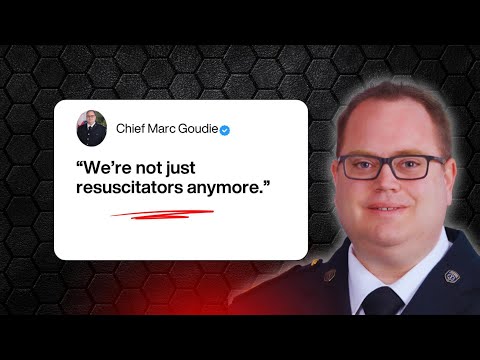
The historical role of paramedicine has been undeniably crucial: rapid response to life-threatening emergencies. However, the current healthcare landscape, burdened by overcrowded emergency rooms and a growing elderly population with complex needs, demands a new paradigm. The future sees paramedics transitioning from solely being the 'ambulance service' to becoming vital components of a proactive healthcare delivery system. This means paramedics will increasingly be involved in preventing hospitalizations for non-emergent conditions, managing chronic illnesses in patients' homes, and providing essential care that keeps individuals healthier and out of acute care settings. This shift is not about diminishing the importance of emergency response, but rather expanding the paramedic's scope to address a wider spectrum of patient needs before they escalate to a critical point, thereby improving overall population health and reducing healthcare expenditures.
🏥 The Integrated Health Hub Model Explained
The 'Integrated Health Hub' model represents a significant evolution in paramedicine, envisioning a future where paramedics operate within a network of interconnected healthcare services. Instead of a standalone ambulance bay, imagine a paramedic dispatched to a patient's home not just for a medical emergency, but for a scheduled follow-up after hospital discharge, a chronic disease management check-in, or even a vaccination. These hubs would facilitate seamless referrals to primary care physicians, specialists, mental health services, and social support systems, all coordinated by the paramedic as a central point of contact. This model leverages Mobile Integrated Healthcare (MIH) principles, allowing paramedics to utilize advanced diagnostic tools and communicate directly with physicians in real-time, ensuring patients receive the most appropriate care in the most appropriate setting, often within their own homes. The goal is to create a patient-centered continuum of care that prioritizes accessibility and efficiency.
🚀 Technologies Driving the Transformation
Several key technologies are accelerating the transformation of paramedicine. Wearable biosensors and remote monitoring devices allow paramedics to gather real-time patient data even before arriving on scene or while providing care in a patient's home. Advanced Electronic Patient Care Reporting (ePCR) systems are becoming more sophisticated, integrating with hospital EHRs and enabling better data sharing and continuity of care. Artificial intelligence (AI) is beginning to play a role in predictive analytics, helping to identify high-risk patients and optimize resource allocation. Furthermore, the proliferation of body-worn cameras and improved communication systems enhance situational awareness and accountability. These technological advancements empower paramedics with greater diagnostic capabilities and facilitate more informed decision-making, moving paramedicine firmly into the digital age.
🧑⚕️ The Evolving Role of the Paramedic
The paramedic of the future will possess a significantly expanded skill set and scope of practice. Beyond traditional emergency medical care, they will be trained and certified in areas like chronic disease management, basic diagnostic procedures, wound care, and even mental health first aid. This evolution necessitates a re-evaluation of paramedic education and training programs, incorporating more clinical rotations in diverse settings and a stronger emphasis on communication and patient advocacy. Paramedics will increasingly function as extensions of primary care physicians, conducting home visits, administering long-acting injectables, and educating patients on managing their conditions. This broadened role elevates the paramedic from a technician to a clinician, a vital member of the integrated healthcare team, capable of providing a wider array of services directly within the community.
⚖️ Challenges and Controversies on the Horizon
The transition to a more integrated paramedicine model is not without its hurdles and debates. A primary concern is reimbursement models, as current fee-for-service structures often don't adequately compensate for preventative or community-based care. There are also significant questions surrounding scope of practice expansion and the legal and regulatory frameworks required to support it. Ensuring equitable access to these new services across all socioeconomic and geographic demographics is another critical challenge, as is the potential for widening existing healthcare disparities if not implemented thoughtfully. Furthermore, the integration of paramedicine into broader healthcare systems raises complex issues of interoperability between different electronic health record systems and the need for robust data governance. The debate also includes how to maintain the critical emergency response function while simultaneously developing these new community-based roles.
📈 Vibepedia Vibe Score: 78/100 (High Energy, Significant Disruption)
The future of paramedicine is buzzing with innovation and a palpable sense of purpose. With a Vibe Score of 78/100, it signifies a field experiencing high cultural energy and undergoing significant, disruptive change. This isn't just about incremental improvements; it's a fundamental reimagining of how emergency medical services contribute to overall public health. The enthusiasm is driven by the potential for paramedics to play a much larger, more impactful role in communities, addressing unmet needs and improving patient lives proactively. While challenges remain, the momentum towards integrated care, empowered by technology and evolving professional roles, is undeniable. This is a field to watch closely as it reshapes healthcare delivery.
Key Facts
- Year
- 2024
- Origin
- Vibepedia.wiki
- Category
- Healthcare Futures
- Type
- Topic
Frequently Asked Questions
What is Community Paramedicine?
Community Paramedicine (CP) is a healthcare model where paramedics provide a range of non-emergency services within a community, often in patients' homes. This can include wellness checks, chronic disease management, medication adherence support, post-hospital discharge follow-up, and public health education. The goal is to prevent unnecessary emergency room visits and hospitalizations, improve patient outcomes, and reduce overall healthcare costs by leveraging the skills and accessibility of paramedics.
How will technology change paramedicine?
Technology is a major catalyst for change. Wearable biosensors and remote monitoring devices will allow for real-time data collection, enabling paramedics to make more informed decisions. Advanced ePCR systems will improve data sharing and continuity of care. AI may assist in predicting patient needs and optimizing resource deployment. Enhanced communication tools and body-worn cameras will also improve situational awareness and accountability, fundamentally altering how paramedics operate and interact with patients and the healthcare system.
What are the biggest challenges to implementing these changes?
Key challenges include developing sustainable reimbursement models that cover non-emergency services, expanding and standardizing paramedic scope of practice through updated regulations and training, ensuring equitable access to these new services across all communities, and achieving seamless interoperability between different healthcare IT systems. Overcoming resistance to change within traditional healthcare structures is also a significant factor.
Will paramedics still respond to emergencies?
Absolutely. The future of paramedicine is not about replacing emergency response, but augmenting it. While paramedics will take on expanded roles in community and preventative care, their critical function of responding to life-threatening emergencies will remain paramount. The goal is to create a more robust and versatile system where paramedics can address a wider range of health needs, thereby reducing the burden on emergency services and improving overall patient care.
What is Mobile Integrated Healthcare (MIH)?
Mobile Integrated Healthcare (MIH) is a broad term encompassing models like Community Paramedicine. It refers to healthcare services delivered outside of traditional clinical settings, often by mobile healthcare teams, including paramedics. MIH emphasizes a patient-centered approach, utilizing technology and innovative service delivery to provide care where and when it's needed, focusing on prevention, chronic disease management, and seamless integration with the broader healthcare system.
How does this affect patient costs?
The aim is to reduce overall healthcare costs for patients and the system. By preventing unnecessary ER visits and hospitalizations through proactive care and home-based interventions, the financial burden on individuals and insurers can be significantly lowered. While some services might have direct costs, the long-term savings from improved chronic disease management and early intervention are expected to be substantial.