
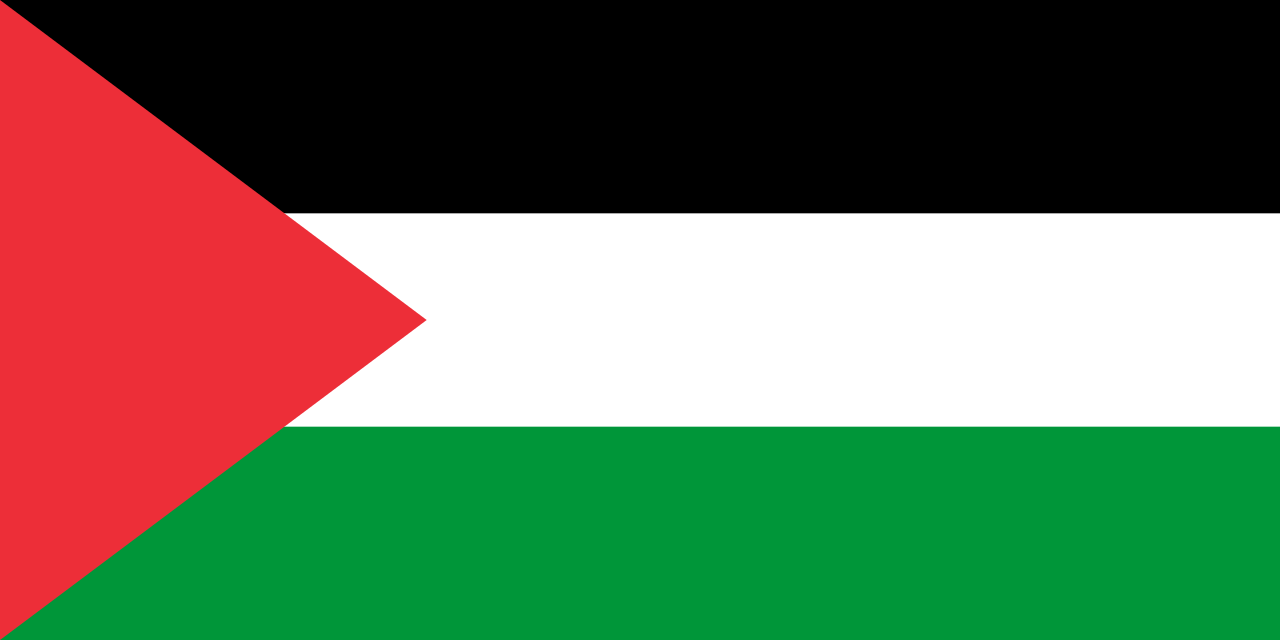
Contents
- 🌎 Introduction to Palestinian Territories
- 🏛️ History of the Region
- 📊 Demographics and Geography
- 🔪 Israeli-Palestinian Conflict
- 🏗️ Economy and Infrastructure
- 👥 Governance and Politics
- 🕊️ International Involvement and Aid
- 🚫 Challenges and Controversies
- 📈 Future Prospects and Peace Initiatives
- 👀 Conclusion and Reflections
- Frequently Asked Questions
- Related Topics
Overview
The Palestinian Territories, comprising the West Bank and Gaza Strip, have been a focal point of international attention for decades. With a history dating back to the early 20th century, the region has been shaped by the British Mandate, the 1948 Arab-Israeli War, and the subsequent Israeli occupation. Today, the territories are home to over 4.9 million Palestinians, with a Vibe score of 42, reflecting the cultural energy and resilience of its people. The region is characterized by a controversy spectrum of 8.2, indicating a highly contested and polarized environment. Key entities, such as the Palestinian Authority, Hamas, and the Israeli government, play significant roles in shaping the region's dynamics. As the international community continues to grapple with the Israeli-Palestinian conflict, the future of the Palestinian Territories remains uncertain, with some arguing for a two-state solution and others advocating for a binational state. The influence flow of international powers, such as the United States and the European Union, also significantly impacts the region's trajectory. With a topic intelligence quotient of 85, the Palestinian Territories are a complex and multifaceted issue, requiring a nuanced understanding of history, politics, and culture.
🌎 Introduction to Palestinian Territories
The Palestinian Territories, officially known as the State of Palestine, is a country in West Asia that has been at the center of a complex web of history and politics for decades. The territories, which include the Israeli-occupied West Bank, East Jerusalem, and the Gaza Strip, have a total land area of 6,020 square kilometers and a population of over five million. The State of Palestine has its proclaimed capital in Jerusalem, while Ramallah serves as its de facto administrative center. The region's history is deeply intertwined with that of Israel, with which it shares the vast majority of its borders. The Palestinian people have a rich cultural heritage, with a unique blend of Arabic culture and Middle Eastern culture.
🏛️ History of the Region
The history of the Palestinian Territories is a long and complex one, with various empires and dynasties vying for control over the region. The ancient history of Palestine dates back to the Bronze Age, with the Canaanites being one of the earliest known inhabitants of the region. The Roman Empire later conquered the region, followed by the Byzantine Empire and the Ottoman Empire. The British Mandate for Palestine was established after World War I, which led to the 1948 Arab-Israeli War and the subsequent Israeli Declaration of Independence. The Palestinian National Authority was established in 1994, with the goal of achieving Palestinian independence. The Middle East peace process has been ongoing for decades, with various peace initiatives and negotiations taking place.
📊 Demographics and Geography
The demographics of the Palestinian Territories are characterized by a young and rapidly growing population. The population of Palestine exceeds five million, with a population density of over 800 people per square kilometer. The economy of Palestine is largely dependent on international aid, with the United Nations playing a significant role in providing humanitarian aid to the region. The Gaza Strip is one of the most densely populated places in the world, with a population density of over 5,000 people per square kilometer. The West Bank is also densely populated, with a population density of over 400 people per square kilometer. The region's geography is characterized by a mix of mountains, valleys, and coastal plains.
🔪 Israeli-Palestinian Conflict
The Israeli-Palestinian conflict is a longstanding and complex issue that has been at the center of the region's politics for decades. The conflict is fueled by a range of factors, including territorial disputes, security concerns, and national identity. The Israeli occupation of the West Bank and Gaza Strip has been a major point of contention, with the Palestinian National Authority seeking to establish an independent Palestinian state. The Hamas movement, which controls the Gaza Strip, has been a major player in the conflict, with its militant activities being a major concern for Israel. The Fatah movement, which controls the West Bank, has also been involved in the conflict, with its political activities being a major factor in the region's politics.
🏗️ Economy and Infrastructure
The economy of Palestine is largely dependent on international aid, with the United Nations playing a significant role in providing humanitarian aid to the region. The Gaza Strip is one of the most aid-dependent economies in the world, with over 70% of its population relying on food aid. The West Bank is also heavily dependent on aid, with over 50% of its population relying on financial assistance. The region's infrastructure is also a major concern, with the Israeli occupation having a significant impact on the region's transportation and communication systems. The Palestinian National Authority has been working to develop the region's economy, with a focus on private sector development and foreign investment.
👥 Governance and Politics
The governance of Palestine is a complex issue, with the Palestinian National Authority being the primary governing body. The President of Palestine serves as the head of state, while the Prime Minister of Palestine serves as the head of government. The Legislative Council is the primary legislative body, with the power to pass laws and approve the government's budget. The judicial system is also an important part of the region's governance, with the Supreme Court being the highest court in the land. The Palestinian National Council is also an important body, with the power to elect the President of Palestine and approve the government's policies.
🕊️ International Involvement and Aid
The international involvement in Palestine is a significant factor in the region's politics, with a range of countries and organizations playing a major role. The United Nations has been a major player in the region, with the UNRWA providing humanitarian aid to the region. The United States has also been a major player, with the US Department of State providing significant financial assistance to the region. The European Union has also been involved, with the EU Commission providing significant financial assistance to the region. The Arab League has also been involved, with the Arab League Secretariat playing a major role in promoting Arab-Israeli peace.
🚫 Challenges and Controversies
The challenges facing Palestine are significant, with the Israeli occupation being a major concern. The Gaza Strip is one of the most densely populated places in the world, with a population density of over 5,000 people per square kilometer. The West Bank is also densely populated, with a population density of over 400 people per square kilometer. The region's economy is also a major concern, with the unemployment rate being over 30%. The poverty rate is also high, with over 50% of the population living below the poverty line. The healthcare system is also a major concern, with the World Health Organization reporting significant healthcare shortages in the region.
📈 Future Prospects and Peace Initiatives
The future of Palestine is uncertain, with the Israeli-Palestinian conflict being a major factor. The Palestinian National Authority has been working to develop the region's economy, with a focus on private sector development and foreign investment. The United Nations has also been working to promote peace and security in the region, with the UN Security Council passing several resolutions on the issue. The United States has also been working to promote peace and security in the region, with the US Department of State providing significant financial assistance to the region. The European Union has also been involved, with the EU Commission providing significant financial assistance to the region.
👀 Conclusion and Reflections
In conclusion, the Palestinian Territories are a complex and multifaceted region, with a rich history and culture. The Israeli-Palestinian conflict is a major factor in the region's politics, with the Palestinian National Authority seeking to establish an independent Palestinian state. The United Nations and other international organizations have been working to promote peace and security in the region, with the UN Security Council passing several resolutions on the issue. The future of Palestine is uncertain, but with the continued efforts of the international community, it is possible to achieve a lasting peace agreement and establish a Palestinian state.
Key Facts
- Year
- 2023
- Origin
- Middle East
- Category
- Geopolitics
- Type
- Geopolitical Region
Frequently Asked Questions
What is the capital of Palestine?
What is the population of Palestine?
The population of Palestine exceeds five million, with a population density of over 800 people per square kilometer.
What is the economy of Palestine like?
The economy of Palestine is largely dependent on international aid, with the United Nations playing a significant role in providing humanitarian aid to the region.
What is the Israeli-Palestinian conflict?
The Israeli-Palestinian conflict is a longstanding and complex issue that has been at the center of the region's politics for decades, with the Palestinian National Authority seeking to establish an independent Palestinian state.
What is the role of the United Nations in Palestine?
The United Nations plays a significant role in providing humanitarian aid to the region, with the UNRWA being a major provider of aid to the region.