
Contents
- 🌎 Introduction to Food Aid
- 🍞 History of Food Aid: Evolution and Impact
- 🌟 The Role of International Organizations in Food Aid
- 🚨 Food Aid in Emergency Situations: Natural Disasters and Conflicts
- 🌾 Food Security and Sustainable Agriculture: Long-term Solutions
- 👥 The Humanitarian Aid Community: Key Players and Partnerships
- 📊 The Economics of Food Aid: Funding, Logistics, and Effectiveness
- 🌍 Global Food Aid Initiatives: Success Stories and Challenges
- 🤝 Collaboration and Coordination in Food Aid: Overcoming Challenges
- 🌟 The Future of Food Aid: Innovations, Trends, and Opportunities
- 📝 Conclusion: The Complexities and Importance of Food Aid
- Frequently Asked Questions
- Related Topics
Overview
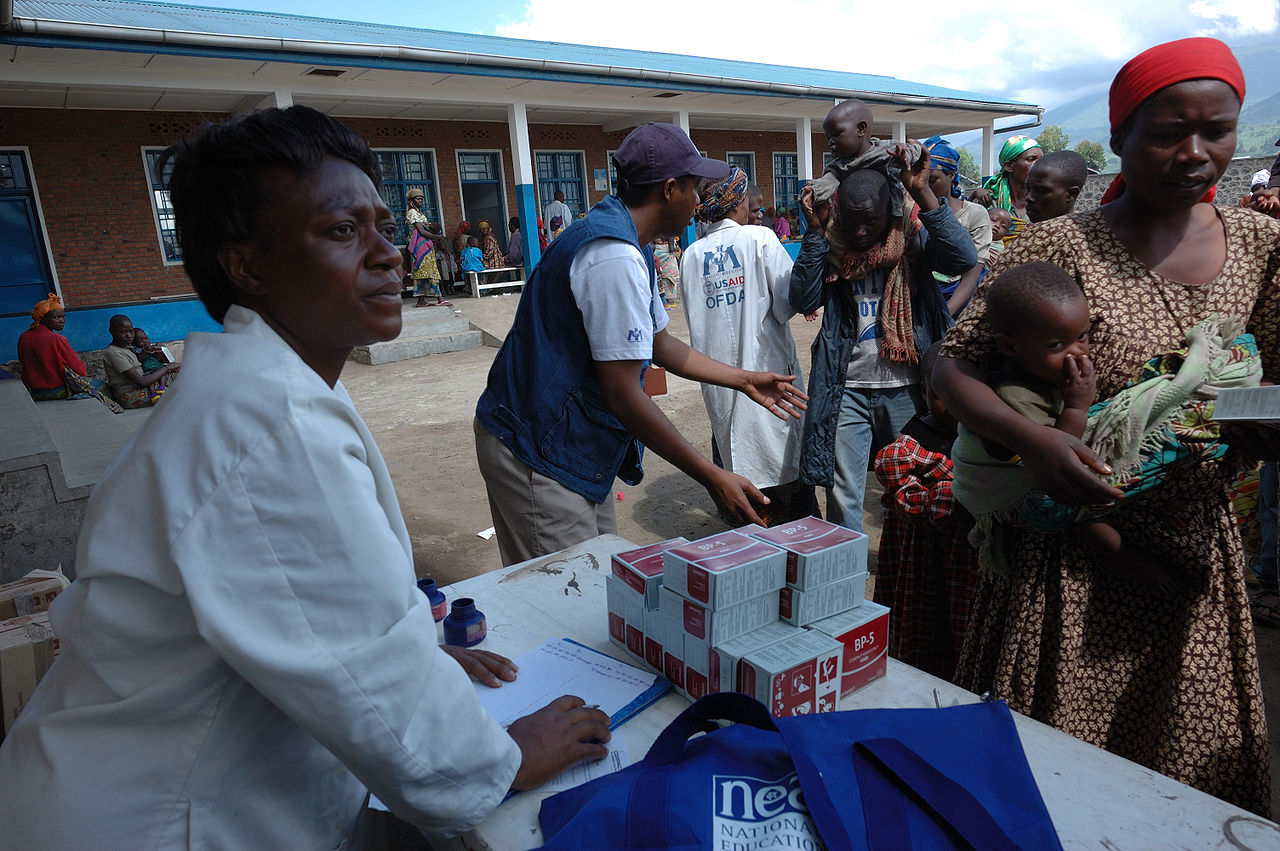
Food aid, a crucial component of humanitarian assistance, has a history dating back to the post-World War II era, with the United States' Food for Peace program established in 1954. The World Food Programme (WFP), founded in 1961, is the primary international organization providing food aid, with a budget of over $8 billion in 2020. Despite its importance, food aid is not without controversy, with debates surrounding its impact on local economies, the role of genetically modified foods, and the logistics of delivery. For instance, in 2010, the WFP launched a purchasing program in Uganda, which aimed to support local farmers by buying their produce for food aid distributions, thus injecting money into the local economy. However, critics argue that such programs can also create dependency on foreign aid. The future of food aid is likely to be shaped by technological innovations, such as drone delivery and precision agriculture, which could enhance the efficiency and reach of food assistance programs. As the global community continues to grapple with issues of hunger, malnutrition, and food insecurity, the evolution of food aid will be critical. With a vibe score of 7, indicating significant cultural and humanitarian relevance, food aid remains a vital yet complex issue, with influence flows tracing back to key figures like Norman Borlaug, the father of the Green Revolution, and entities such as the United Nations and non-governmental organizations like Oxfam.
🌎 Introduction to Food Aid
Food aid is a vital component of humanitarian aid, providing essential nutrition to people in need. The primary objective of food aid is to save lives, alleviate suffering, and maintain human dignity, as outlined in the principles of Humanitarian Aid. Food aid can take many forms, including emergency food distributions, food vouchers, and cash transfers. According to the World Food Programme, food aid has been instrumental in reducing hunger and malnutrition worldwide. However, food aid is not without its challenges, including Food Insecurity and the risk of Dependency on external assistance. The United Nations plays a crucial role in coordinating food aid efforts, working closely with governments, NGOs, and other stakeholders to ensure effective and efficient delivery of aid.
🍞 History of Food Aid: Evolution and Impact
The history of food aid dates back to the early 20th century, with the establishment of the International Committee of the Red Cross. Since then, food aid has evolved to become a critical component of humanitarian response, with organizations such as the World Food Programme and the United Nations High Commissioner for Refugees playing key roles. Food aid has been instrumental in responding to major crises, including the Bengal Famine and the Ethiopian Famine. However, food aid has also been criticized for its potential to create Dependency and undermine local economies. The Food and Agriculture Organization has worked to address these challenges, promoting sustainable agriculture and food security initiatives.
🌟 The Role of International Organizations in Food Aid
International organizations play a vital role in food aid, providing critical support to governments and NGOs. The World Food Programme is the largest humanitarian organization fighting hunger worldwide, providing food assistance to over 80 million people in 80 countries. The United Nations Children's Fund also plays a key role, working to reduce child hunger and malnutrition. Other organizations, such as the International Committee of the Red Cross and the Oxfam, also contribute to food aid efforts. These organizations work together to provide emergency food assistance, support sustainable agriculture, and promote Food Security. The Global Food Crisis has highlighted the need for coordinated and effective food aid responses.
🚨 Food Aid in Emergency Situations: Natural Disasters and Conflicts
Food aid is often required in emergency situations, such as natural disasters and conflicts. In these situations, food aid can be a lifeline, providing essential nutrition to people in need. The World Food Programme has developed specialized programs, such as the Emergency Food Assistance program, to respond to these crises. Other organizations, such as the United Nations High Commissioner for Refugees and the International Committee of the Red Cross, also provide critical support. Food aid in emergency situations can take many forms, including Food Vouchers and Cash Transfers. The Syrian Civil War and the Rohingya Crisis have highlighted the need for effective and efficient food aid responses.
🌾 Food Security and Sustainable Agriculture: Long-term Solutions
Food security and sustainable agriculture are critical components of long-term food aid solutions. The Food and Agriculture Organization has worked to promote sustainable agriculture and reduce hunger and malnutrition. Organizations such as the International Fund for Agricultural Development also support small-scale farmers and rural development initiatives. These efforts aim to promote Food Security and reduce Poverty. The Green Revolution has had a significant impact on food security, but has also raised concerns about the environmental and social impacts of industrial agriculture. The Sustainable Development Goals include targets to end hunger and promote sustainable agriculture.
👥 The Humanitarian Aid Community: Key Players and Partnerships
The humanitarian aid community is a complex network of organizations, governments, and individuals working together to provide aid to those in need. The United Nations plays a critical role in coordinating humanitarian response, working closely with organizations such as the World Food Programme and the United Nations High Commissioner for Refugees. Other organizations, such as the International Committee of the Red Cross and the Oxfam, also contribute to food aid efforts. These organizations work together to provide emergency food assistance, support sustainable agriculture, and promote Food Security. The Humanitarian Aid community is committed to upholding the principles of humanity, impartiality, neutrality, and independence.
📊 The Economics of Food Aid: Funding, Logistics, and Effectiveness
The economics of food aid are complex, involving funding, logistics, and effectiveness. The World Food Programme relies on donations from governments, corporations, and individuals to fund its programs. Other organizations, such as the United Nations Children's Fund and the Oxfam, also rely on donations to support their work. The cost of food aid can be significant, with the World Food Programme estimating that it costs around $1 billion per year to provide food assistance to those in need. However, food aid can also have positive economic impacts, such as supporting local economies and promoting Food Security. The Economics of Food Aid are a critical area of study, with researchers examining the effectiveness and efficiency of food aid programs.
🌍 Global Food Aid Initiatives: Success Stories and Challenges
Global food aid initiatives have had significant success in reducing hunger and malnutrition worldwide. The World Food Programme has been instrumental in providing food assistance to those in need, with programs such as the Emergency Food Assistance program. Other organizations, such as the United Nations Children's Fund and the Oxfam, have also made significant contributions to food aid efforts. However, food aid is not without its challenges, including Food Insecurity and the risk of Dependency on external assistance. The Global Food Crisis has highlighted the need for coordinated and effective food aid responses. The Sustainable Development Goals include targets to end hunger and promote sustainable agriculture.
🤝 Collaboration and Coordination in Food Aid: Overcoming Challenges
Collaboration and coordination are critical components of effective food aid responses. The United Nations plays a key role in coordinating humanitarian response, working closely with organizations such as the World Food Programme and the United Nations High Commissioner for Refugees. Other organizations, such as the International Committee of the Red Cross and the Oxfam, also contribute to food aid efforts. These organizations work together to provide emergency food assistance, support sustainable agriculture, and promote Food Security. The Humanitarian Aid community is committed to upholding the principles of humanity, impartiality, neutrality, and independence. The Cluster System has been established to improve coordination and response to humanitarian crises.
🌟 The Future of Food Aid: Innovations, Trends, and Opportunities
The future of food aid is likely to be shaped by innovations, trends, and opportunities. The World Food Programme is exploring new technologies, such as Blockchain and Artificial Intelligence, to improve the efficiency and effectiveness of food aid. Other organizations, such as the United Nations Children's Fund and the Oxfam, are also investing in innovation and research. The Sustainable Development Goals include targets to end hunger and promote sustainable agriculture, and the Humanitarian Aid community is committed to achieving these goals. The Future of Food Aid is critical to ensuring that those in need receive the support they require.
📝 Conclusion: The Complexities and Importance of Food Aid
In conclusion, food aid is a complex and multifaceted issue, requiring a coordinated and effective response. The Humanitarian Aid community is committed to upholding the principles of humanity, impartiality, neutrality, and independence, and to providing emergency food assistance, supporting sustainable agriculture, and promoting Food Security. The World Food Programme and other organizations have made significant contributions to food aid efforts, but challenges remain, including Food Insecurity and the risk of Dependency on external assistance. The Global Food Crisis has highlighted the need for coordinated and effective food aid responses, and the Sustainable Development Goals include targets to end hunger and promote sustainable agriculture.
Key Facts
- Year
- 2020
- Origin
- Post-World War II International Relations
- Category
- Humanitarian Aid
- Type
- Humanitarian Concept
Frequently Asked Questions
What is food aid?
Food aid is a vital component of humanitarian aid, providing essential nutrition to people in need. The primary objective of food aid is to save lives, alleviate suffering, and maintain human dignity. Food aid can take many forms, including emergency food distributions, food vouchers, and cash transfers. According to the World Food Programme, food aid has been instrumental in reducing hunger and malnutrition worldwide.
Who provides food aid?
Food aid is provided by a range of organizations, including the World Food Programme, the United Nations Children's Fund, and the Oxfam. These organizations work together to provide emergency food assistance, support sustainable agriculture, and promote Food Security. The United Nations plays a critical role in coordinating humanitarian response, working closely with governments, NGOs, and other stakeholders.
What are the challenges of food aid?
Food aid is not without its challenges, including Food Insecurity and the risk of Dependency on external assistance. The Global Food Crisis has highlighted the need for coordinated and effective food aid responses. The Sustainable Development Goals include targets to end hunger and promote sustainable agriculture, and the Humanitarian Aid community is committed to achieving these goals.
How can I get involved in food aid?
There are many ways to get involved in food aid, including donating to organizations such as the World Food Programme and the United Nations Children's Fund. You can also volunteer with local food banks and other organizations that provide food assistance to those in need. Additionally, you can support policies and initiatives that promote Food Security and sustainable agriculture.
What is the future of food aid?
The future of food aid is likely to be shaped by innovations, trends, and opportunities. The World Food Programme is exploring new technologies, such as Blockchain and Artificial Intelligence, to improve the efficiency and effectiveness of food aid. The Sustainable Development Goals include targets to end hunger and promote sustainable agriculture, and the Humanitarian Aid community is committed to achieving these goals.