
Contents
- 🎯 Origins & History
- ⚔️ Types of Warfare
- 📊 Key Facts & Numbers
- 👥 Key People & Organizations
- 🌍 Cultural Impact & Influence
- ⚡ Current State & Latest Developments
- 🤔 Controversies & Debates
- 🔮 Future Outlook & Predictions
- 💡 Practical Applications
- 📚 Related Topics & Deeper Reading
- Frequently Asked Questions
- References
- Related Topics
Overview
Military combat, a state of armed conflict between organized groups, has been a persistent aspect of human history, driven by political, economic, or territorial objectives. Characterized by widespread violence and destruction, military combat has evolved significantly over time, with changes in technology, strategy, and international relations influencing its nature and frequency. From ancient battles to modern asymmetric warfare, military combat has involved various forms of violence, including conventional warfare, guerrilla warfare, and cyber warfare. The pursuit of political, economic, or territorial objectives has led to the development of different types of warfare, such as total war, which can result in massive civilian suffering and casualties. With the rise of new technologies and global interconnectedness, military combat continues to adapt, posing complex challenges for nations, international organizations, and humanity as a whole. The history of military combat is marked by significant events, such as the decline of great power wars and territorial conquests since 1945, and the increase in civil wars in absolute terms. Understanding the evolution and complexity of military combat is crucial for developing effective strategies to prevent and resolve conflicts, and for promoting international peace and security.
🎯 Origins & History
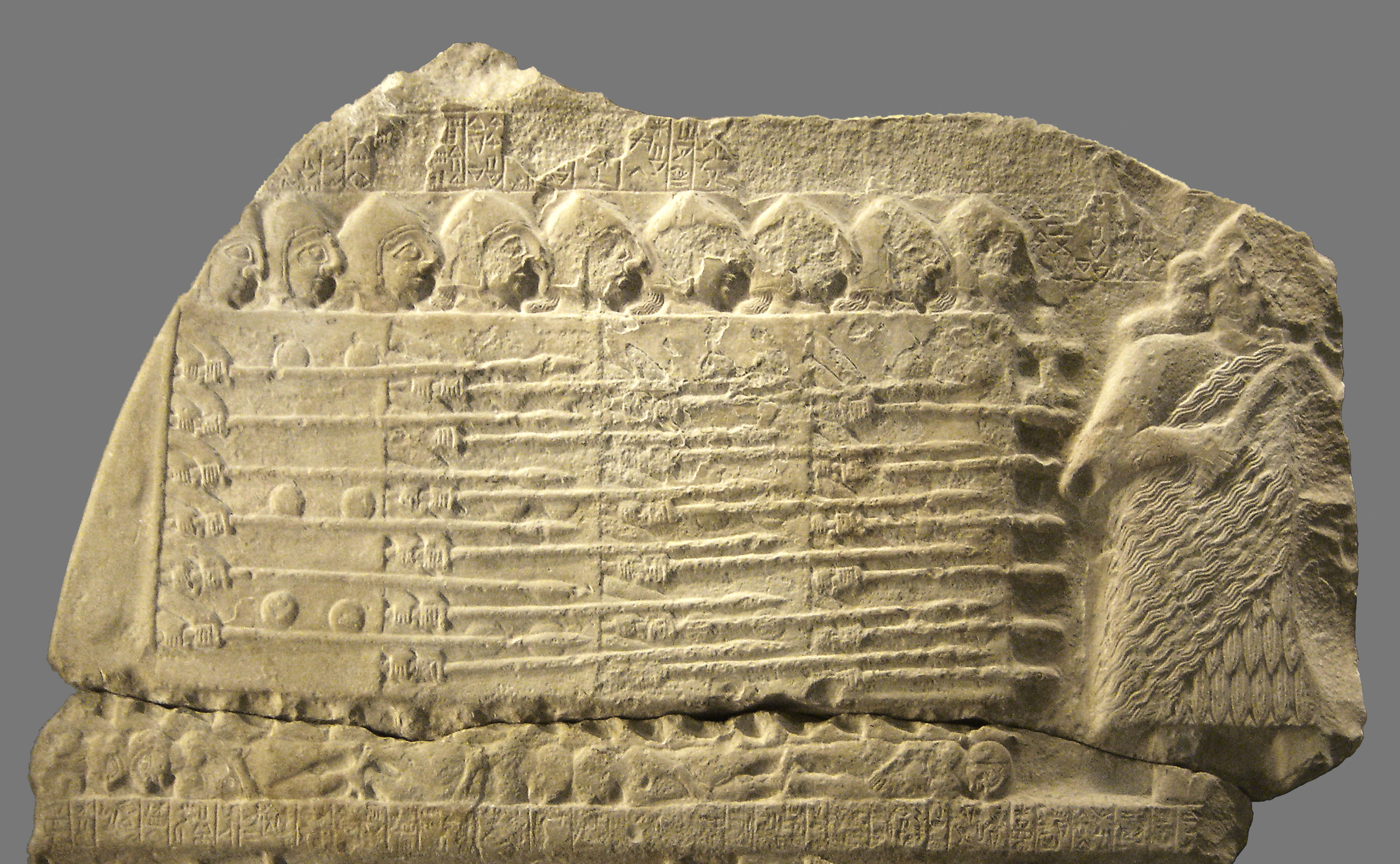
The history of military combat dates back to ancient times, with evidence of organized warfare found in the civilizations of Egypt, Greece, and Rome. The development of new technologies, such as the bow and arrow and sword, has consistently influenced the nature of warfare. The modern era has seen the rise of asymmetric warfare, where non-state actors, such as terrorist organizations, employ unconventional tactics to counter conventional military forces. For example, the Iraq War and the Afghanistan War have been marked by the use of improvised explosive devices and suicide bombings.
⚔️ Types of Warfare
Military combat can take various forms, including conventional warfare, guerrilla warfare, and cyber warfare. Total war, which involves the mobilization of all resources and sectors of society, can result in massive civilian suffering and casualties. The use of drones and artificial intelligence in modern warfare has raised concerns about the potential for autonomous weapons and the need for international regulations. The development of hypersonic weapons has also changed the nature of modern warfare, with the potential for rapid and precise strikes.
📊 Key Facts & Numbers
The frequency and nature of military combat have changed significantly over time. Since 1945, great power wars and territorial conquests have declined in frequency, while civil wars have increased in absolute terms. The Cold War saw a rise in proxy wars, where superpowers supported opposing sides in conflicts around the world. The United Nations has played a crucial role in promoting international peace and security, with the establishment of peacekeeping missions and humanitarian aid programs. For example, the UN peacekeeping mission in Congo has been instrumental in maintaining stability and protecting civilians in the region.
👥 Key People & Organizations
Key people and organizations have shaped the course of military combat throughout history. Napoleon Bonaparte and George S. Patton are notable examples of military leaders who have influenced the development of military strategy and tactics. The North Atlantic Treaty Organization (NATO) and the United States Department of Defense are prominent organizations involved in military combat and defense. The Red Cross and the International Committee of the Red Cross have played a crucial role in promoting humanitarian law and protecting civilians in conflict zones.
🌍 Cultural Impact & Influence
Military combat has had a profound impact on culture and society, with many works of art, literature, and film inspired by the experiences of war. The Iraq War and the Afghanistan War have been the subject of numerous documentaries, books, and films, including The Hurt Locker and American Sniper. The Vietnam War has been the subject of numerous works of literature, including The Things They Carried by Tim O'Brien. The impact of military combat on civilians and the environment has also been a subject of concern, with the use of Agent Orange and depleted uranium having long-term effects on ecosystems and human health.
⚡ Current State & Latest Developments
The current state of military combat is characterized by the rise of asymmetric warfare and the increasing use of drones and cyber warfare. The United States and China are engaged in a great power competition, with military modernization and technological advancements being key areas of focus. The Middle East remains a region of high conflict, with the Israeli-Palestinian conflict and the Syrian Civil War being major concerns. The Ukraine-Russia conflict has also raised concerns about the potential for nuclear war and the need for diplomacy and international cooperation.
🤔 Controversies & Debates
The use of drones and autonomous weapons in military combat has raised concerns about the potential for civilian casualties and the need for international regulations. The United Nations has called for a ban on killer robots, while the United States has argued that autonomous weapons can be used in a lawful and discriminate manner. The Geneva Conventions and the Hague Conventions provide a framework for the conduct of military combat, but the rise of non-state actors and asymmetric warfare has challenged the traditional norms of warfare.
🔮 Future Outlook & Predictions
The future of military combat is likely to be shaped by technological advancements, including the development of hypersonic weapons and artificial intelligence. The United States and China are investing heavily in military modernization, with a focus on cyber warfare and space warfare. The United Nations has called for a ban on space weapons, while the European Union has proposed the establishment of a EU military force. The rise of emerging technologies has also raised concerns about the potential for new forms of warfare, including biological warfare and chemical warfare.
💡 Practical Applications
Military combat has numerous practical applications, including peacekeeping missions, humanitarian aid, and disaster relief. The United Nations has established a range of peacekeeping missions around the world, including the UN peacekeeping mission in Congo. The Red Cross and the International Committee of the Red Cross provide humanitarian aid and support to civilians affected by conflict. The United States Department of Defense has also established a range of programs to support veterans and their families, including the GI Bill and the Veterans Administration.
Key Facts
- Year
- 2023
- Origin
- Global
- Category
- history
- Type
- concept
Frequently Asked Questions
What is military combat?
Military combat refers to the use of armed forces to achieve political, economic, or territorial objectives. It involves the use of violence and destruction to defeat an enemy or opponent. Military combat can take various forms, including conventional warfare, guerrilla warfare, and cyber warfare.
What are the different types of warfare?
There are several types of warfare, including conventional warfare, guerrilla warfare, cyber warfare, and asymmetric warfare. Conventional warfare involves the use of traditional military forces and tactics, while guerrilla warfare involves the use of unconventional tactics and strategies. Cyber warfare involves the use of digital technologies to disrupt or destroy an enemy's computer systems and infrastructure.
What is the impact of military combat on civilians?
Military combat can have a significant impact on civilians, including the loss of life, injury, and displacement. Civilians may also be affected by the destruction of infrastructure, such as homes, schools, and hospitals. The use of certain weapons, such as drones and autonomous weapons, has raised concerns about the potential for civilian casualties.
What is the role of international relations in shaping military combat?
International relations play a crucial role in shaping military combat, as they can influence the decisions of nations to go to war or to engage in military action. The United Nations and other international organizations have established frameworks and norms for the conduct of military combat, including the Geneva Conventions and the Hague Conventions.
What is the future of military combat?
The future of military combat is likely to be shaped by technological advancements, including the development of hypersonic weapons and artificial intelligence. The use of drones and autonomous weapons is also likely to continue, with the potential for increased precision and reduced risk to human life. However, the development of new technologies also raises concerns about the potential for new forms of warfare and the need for international regulations and norms.
What are the practical applications of military combat?
Military combat has numerous practical applications, including peacekeeping missions, humanitarian aid, and disaster relief. The United Nations and other international organizations have established peacekeeping missions around the world, while the Red Cross and other humanitarian organizations provide aid and support to civilians affected by conflict.
What is the relationship between military combat and defense?
Military combat and defense are closely related, as defense involves the use of military forces to protect a nation or territory from attack. Military combat is a key component of defense, as it involves the use of armed forces to defeat an enemy or opponent. However, defense also involves other aspects, such as diplomacy and international cooperation, which can help to prevent conflict and promote peace.
What is the impact of military combat on the environment?
Military combat can have a significant impact on the environment, including the destruction of ecosystems and the release of toxic chemicals. The use of certain weapons, such as depleted uranium and cluster bombs, has raised concerns about the potential for long-term environmental damage. The environmental impact of military combat is a growing concern, with many organizations and governments calling for greater attention to be paid to the environmental consequences of military action.