
Contents
- 🍴 Introduction to Main Courses
- 🍔 The History of Main Courses
- 👨🍳 Cooking Techniques for Main Courses
- 🍜 Popular Main Course Dishes
- 🌮 International Main Course Inspirations
- 🍴 Main Course Pairing with Sides and Desserts
- 🍲 Nutrition and Main Courses
- 👨🍳 Main Course Presentation and Plating
- 📊 Main Course Trends and Future Directions
- 🍴 Conclusion: The Enduring Appeal of Main Courses
- 🤔 Controversies and Debates in Main Course Culture
- Frequently Asked Questions
- Related Topics
Overview
Main courses have been the centerpiece of meals across cultures and centuries, reflecting local ingredients, traditions, and values. From the intricate preparations of haute cuisine to the hearty, comforting dishes of home cooking, main courses evoke emotions and create memories. The history of main courses is marked by influences from trade, migration, and innovation, with dishes like beef Wellington and chicken parmesan showcasing the fusion of flavors and techniques. With a vibe score of 8, main courses continue to inspire chefs, foodies, and home cooks alike, with new trends and ingredients constantly reinventing the culinary landscape. The controversy surrounding the environmental impact of meat-based main courses has sparked a movement towards plant-based alternatives, with many restaurants now offering innovative, sustainable options. As the culinary world continues to evolve, one thing remains certain – the main course will always be the star of the show, with its rich flavors, aromas, and presentation.
🍴 Introduction to Main Courses
Main courses are the centerpiece of any meal, providing the bulk of the nutritional value and often the most memorable flavors. The concept of a main course has evolved over time, influenced by various cuisines and cooking techniques. In modern times, main courses can range from simple grilled chicken to complex sous vide dishes. The art of crafting a main course requires a deep understanding of flavor profiles and texture contrasts. As we explore the world of main courses, we'll delve into the history of cuisine and the science of cooking.
🍔 The History of Main Courses
The history of main courses dates back to ancient civilizations, where feasting was a common practice. The ancient Greeks and Romans, for example, would often serve elaborate multi-course meals featuring a variety of meat dishes and vegetable dishes. As trade and culture spread throughout the world, different cuisines developed their own unique main course traditions. In Asia, for instance, stir-frying became a popular cooking technique for main courses, while in Europe, roasting and braising were favored methods. The industrial revolution also had a significant impact on main course culture, with the introduction of new cooking technologies and food preservation methods.
👨🍳 Cooking Techniques for Main Courses
Cooking techniques play a crucial role in preparing main courses, and different methods can greatly impact the final product. Grilling, for example, can add a smoky flavor profile to main courses, while sous vide can ensure a precise level of doneness. Stir-frying and sauteing are other popular techniques used in main course preparation, allowing for quick and easy cooking of vegetables and proteins. The choice of cooking oil and seasonings can also greatly affect the flavor and texture of main courses. As we explore the world of main courses, it's essential to understand the science of cooking and how different techniques can be applied to create unique and delicious dishes.
🍜 Popular Main Course Dishes
Popular main course dishes vary greatly depending on the region and cuisine. In the United States, for example, burgers and steak are staples of American comfort food. In Italy, pasta dishes like spaghetti bolognese and fettuccine alfredo are beloved main courses. In Asia, stir-fried noodles and curries are common main course options. The diversity of main courses is a reflection of the rich culinary heritage of different cultures, and there's always something new to discover. Whether you're in the mood for Japanese cuisine, Indian cuisine, or Mexican cuisine, there's a main course out there to suit your taste.
🌮 International Main Course Inspirations
International main course inspirations can be a great way to add variety to your meal routine. Korean BBQ, for example, offers a unique flavor profile that combines sweet, spicy, and smoky notes. Japanese teriyaki is another popular main course inspiration, featuring a sweet and savory sauce made with soy sauce and sugar. Indian curries are also a great option, with a wide range of spice blends and cooking techniques to choose from. As you explore the world of international main courses, be sure to check out food blogs and cooking videos for inspiration and guidance.
🍴 Main Course Pairing with Sides and Desserts
Main courses are often paired with sides and desserts to create a well-rounded meal. mashed potatoes and roasted vegetables are popular side dish options, while ice cream and chocolate cake are common desserts. The key to pairing main courses with sides and desserts is to balance flavor profiles and texture contrasts. For example, a rich and heavy main course like beef wellington might be paired with a light and refreshing side dish like green salad. As you explore the world of main courses, be sure to consider the dining experience and how different components of the meal can work together to create a memorable and enjoyable experience.
🍲 Nutrition and Main Courses
Nutrition is an essential consideration when it comes to main courses, as they often provide the bulk of the nutritional value in a meal. Protein-rich main courses like chicken and fish can help to build and repair muscle tissue, while complex carbohydrates like brown rice and quinoa can provide sustained energy. Healthy fats like avocado and nuts can also be incorporated into main courses to add flavor and nutrition. As you plan your main courses, be sure to consider the nutritional value of different ingredients and how they can be combined to create a balanced and nutritious meal.
👨🍳 Main Course Presentation and Plating
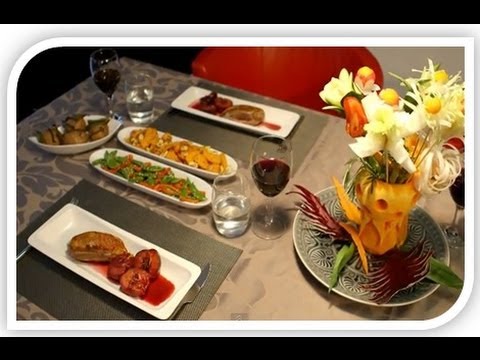
Main course presentation and plating can greatly impact the dining experience. A well-presented main course can add to the visual appeal of the meal, making it more enjoyable and Instagram-worthy. Garnishes like fresh herbs and edible flowers can add a pop of color and fragrance to the dish, while sauces and gravies can be used to add flavor and moisture. As you present your main courses, be sure to consider the plating techniques and how they can be used to create a visually appealing and appetizing dish.
📊 Main Course Trends and Future Directions
Main course trends and future directions are constantly evolving, reflecting changes in food culture and consumer preferences. Plant-based diets and sustainable cuisine are becoming increasingly popular, with a focus on environmental impact and social responsibility. Food technology is also playing a larger role in main course development, with the use of lab-grown meat and vertical farming becoming more widespread. As we look to the future of main courses, it's essential to consider the social and environmental context and how different trends and technologies can be used to create a more sustainable and equitable food system.
🍴 Conclusion: The Enduring Appeal of Main Courses
In conclusion, main courses are the heart of the meal, providing a unique opportunity for culinary expression and creativity. Whether you're a seasoned chef or a home cook, there's always something new to discover in the world of main courses. From classical cuisine to modern molecular gastronomy, the possibilities are endless, and the dining experience can be tailored to suit any taste or preference. As you continue to explore the world of main courses, be sure to check out food blogs and cooking videos for inspiration and guidance, and don't be afraid to experiment and try new things.
🤔 Controversies and Debates in Main Course Culture
Despite the many joys of main courses, there are also controversies and debates surrounding this topic. Food waste and sustainability are major concerns, with many main courses requiring large amounts of energy and resources to produce. Animal welfare is another issue, with some main courses featuring factory-farmed animals or endangered species. As we navigate the complex world of main courses, it's essential to consider these controversies and debates, and to make informed choices about the food we eat and the impact it has on the world around us.
Key Facts
- Year
- 2022
- Origin
- Global
- Category
- Culinary Arts
- Type
- Culinary Concept
Frequently Asked Questions
What is the definition of a main course?
A main course is the primary dish served in a meal, often providing the bulk of the nutritional value and flavor. Main courses can range from simple dishes like grilled chicken to complex dishes like beef wellington. The definition of a main course can vary depending on the cuisine and culture, but it is generally considered the centerpiece of the meal.
How do I choose a main course?
Choosing a main course depends on several factors, including your dietary restrictions, personal preferences, and the occasion. Consider the flavor profile and texture contrast of the dish, as well as the nutritional value and sustainability of the ingredients. You can also consider the cooking technique and the level of difficulty of the recipe.
What are some popular main course dishes?
Popular main course dishes vary depending on the cuisine and culture. Some examples include burgers, steak, pasta dishes, stir-fried noodles, and curries. You can also consider international main course inspirations like Korean BBQ or Japanese teriyaki.
How do I pair a main course with sides and desserts?
Pairing a main course with sides and desserts depends on the flavor profile and texture contrast of the dish. Consider the nutritional value and sustainability of the ingredients, as well as the cooking technique and the level of difficulty of the recipe. You can also consider the dining experience and how different components of the meal can work together to create a memorable and enjoyable experience.
What are some main course trends and future directions?
Main course trends and future directions are constantly evolving, reflecting changes in food culture and consumer preferences. Some current trends include plant-based diets, sustainable cuisine, and food technology. As we look to the future of main courses, it's essential to consider the social and environmental context and how different trends and technologies can be used to create a more sustainable and equitable food system.