
Contents
- 🎨 Introduction to Flavor Profiles
- 🍴 The Chemistry of Flavor
- 👨🍳 Culinary Applications of Flavor Profiles
- 📊 Key Factors in Shaping Flavor Profiles
- 🌎 Cultural and Personal Factors in Flavor Perception
- 📈 Current Trends in Flavor Profiling
- 🤔 Controversies and Debates in Flavor Science
- 🔮 Future Directions in Flavor Research
- 💡 Practical Applications of Flavor Profiles
- 📚 Related Topics and Deeper Reading
- Frequently Asked Questions
- References
- Related Topics
Overview
A flavor profile is the unique combination of taste, aroma, and sensation that characterizes a particular food, drink, or ingredient. It is shaped by a complex interplay of factors, including the chemical composition of the substance, the way it is prepared and processed, and the cultural and personal contexts in which it is experienced. Flavor profiles can be used to describe everything from the rich, bold taste of black garlic to the bright, citrusy flavor of lemon. Understanding flavor profiles is essential for chefs, food scientists, and anyone who wants to appreciate the full range of culinary experiences. With the rise of foodie culture and social media, flavor profiles have become a key aspect of food marketing and criticism, with many restaurants and food brands using flavor profiles to differentiate themselves and attract customers. The study of flavor profiles is also closely tied to the fields of gastronomy and food science, which seek to understand the chemical and biological basis of flavor and its relationship to human perception and culture.
🎨 Introduction to Flavor Profiles
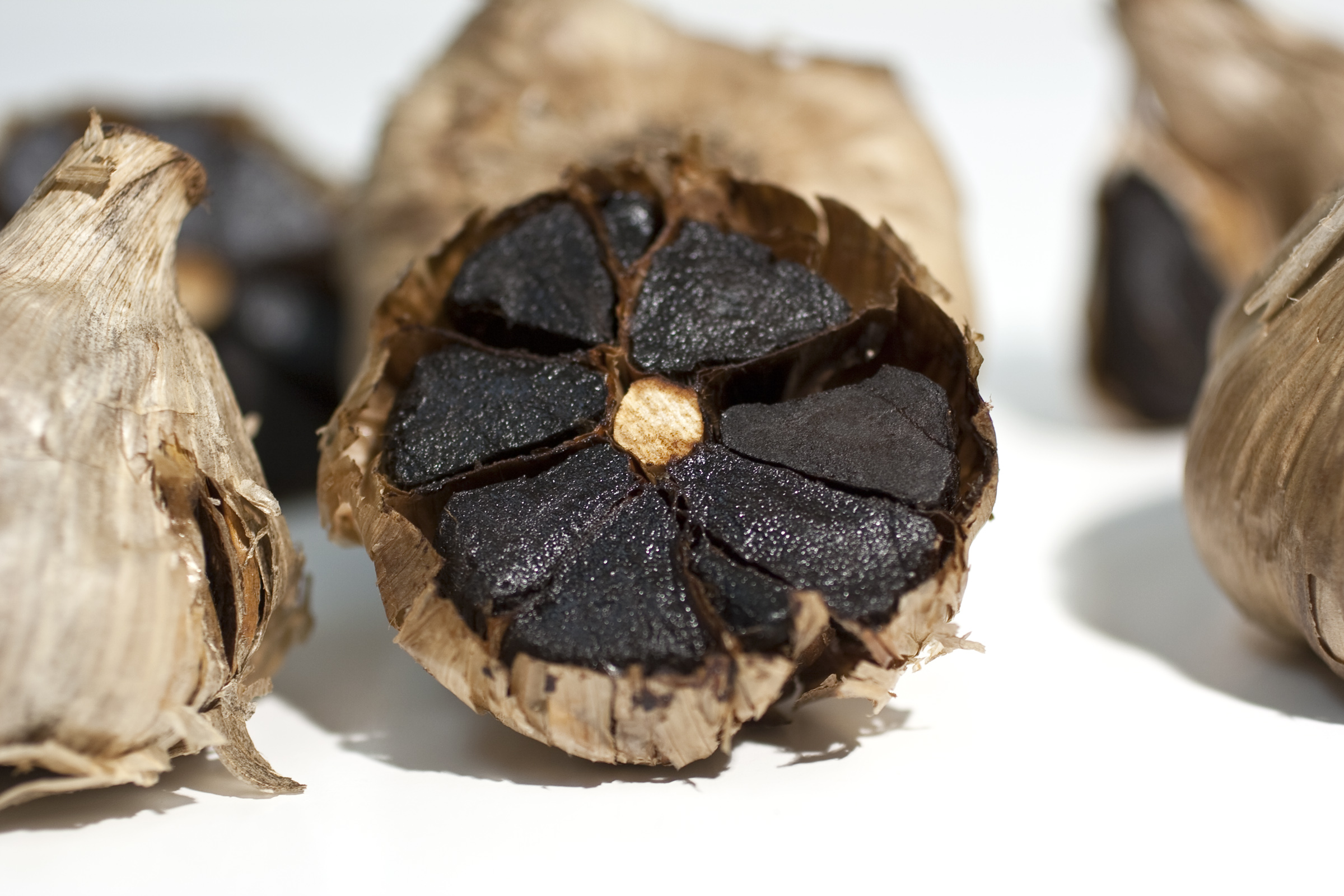
Flavor profiles are a crucial aspect of the culinary world, and their study has a rich history that dates back to the early days of gastronomy. The concept of flavor profiling was first developed by chefs and food scientists who sought to understand the complex interplay of factors that contribute to the unique taste and aroma of different ingredients. Today, flavor profiles are used in a wide range of applications, from restaurant menu development to food product development. For example, the flavor profile of black garlic is characterized by its deep, savory umami taste, which is developed through a process of Maillard reaction that occurs when garlic is aged in a warm, moist environment.
🍴 The Chemistry of Flavor
The chemistry of flavor is a complex and multifaceted field that involves the study of the chemical compounds that contribute to the taste, aroma, and sensation of different foods and ingredients. Flavor compounds can be broadly categorized into several different classes, including volatile compounds, non-volatile compounds, and sensory compounds. Each of these classes plays a unique role in shaping the flavor profile of a particular food or ingredient. For example, the flavor profile of coffee is characterized by its rich, bold taste and aroma, which are developed through the roasting process that occurs when coffee beans are heated to high temperatures.
👨🍳 Culinary Applications of Flavor Profiles
Culinary applications of flavor profiles are diverse and widespread, and can be seen in everything from the development of new restaurant menus to the creation of innovative food products. Chefs and food scientists use flavor profiles to understand the unique characteristics of different ingredients and to develop new and exciting flavor combinations. For example, the flavor profile of lemon is often used in combination with other ingredients, such as garlic and herbs, to create bright and refreshing flavor profiles. The use of flavor profiles in culinary applications is also closely tied to the concept of flavor pairing, which involves the combination of different ingredients to create harmonious and balanced flavor profiles.
📊 Key Factors in Shaping Flavor Profiles
Key factors in shaping flavor profiles include the chemical composition of the ingredient, the way it is prepared and processed, and the cultural and personal contexts in which it is experienced. For example, the flavor profile of chocolate is shaped by the type of cocoa beans used, the roasting process, and the amount of sugar added. The flavor profile of chocolate can also be influenced by cultural and personal factors, such as the type of mill used and the level of processing. The study of these factors is essential for understanding the complex interplay of influences that shape the flavor profile of a particular food or ingredient.
🌎 Cultural and Personal Factors in Flavor Perception
Cultural and personal factors play a significant role in shaping flavor profiles, and can influence the way that different ingredients are perceived and experienced. For example, the flavor profile of spicy food is often associated with certain cultural and personal contexts, such as the use of hot sauce in mexican cuisine. The flavor profile of spicy food can also be influenced by personal factors, such as the level of heat tolerance and the type of dairy products used. The study of cultural and personal factors in flavor perception is essential for understanding the complex and multifaceted nature of flavor profiles.
📈 Current Trends in Flavor Profiling
Current trends in flavor profiling include the use of flavor mapping and sensory evaluation to understand the complex interplay of factors that contribute to the unique taste and aroma of different ingredients. These techniques involve the use of statistical models and machine learning algorithms to analyze the chemical and sensory characteristics of different foods and ingredients. For example, the flavor profile of plant-based meat is often evaluated using sensory evaluation techniques, such as taste testing and smell testing. The use of these techniques is essential for understanding the complex and multifaceted nature of flavor profiles.
🤔 Controversies and Debates in Flavor Science
Controversies and debates in flavor science include the use of flavor enhancers and artificial flavorings in food products. Some argue that these ingredients are necessary to create desirable flavor profiles, while others argue that they are unhealthy and should be avoided. For example, the use of MSG in chinese cuisine is often controversial, with some arguing that it is a necessary ingredient for creating authentic flavor profiles, while others argue that it is unhealthy and should be avoided. The study of these controversies and debates is essential for understanding the complex and multifaceted nature of flavor profiles.
🔮 Future Directions in Flavor Research
Future directions in flavor research include the use of genomics and metabolomics to understand the complex interplay of factors that contribute to the unique taste and aroma of different ingredients. These techniques involve the use of DNA sequencing and mass spectrometry to analyze the genetic and metabolic characteristics of different foods and ingredients. For example, the flavor profile of wine is often evaluated using genomics and metabolomics techniques, such as wine genomics and wine metabolomics. The use of these techniques is essential for understanding the complex and multifaceted nature of flavor profiles.
💡 Practical Applications of Flavor Profiles
Practical applications of flavor profiles include the development of new food products and restaurant menus. Chefs and food scientists use flavor profiles to understand the unique characteristics of different ingredients and to develop new and exciting flavor combinations. For example, the flavor profile of burger is often used in combination with other ingredients, such as cheese and bacon, to create rich and savory flavor profiles. The use of flavor profiles in practical applications is also closely tied to the concept of flavor innovation, which involves the creation of new and exciting flavor profiles using innovative ingredients and techniques.
Key Facts
- Year
- 1950s
- Origin
- Europe
- Category
- culture
- Type
- concept
Frequently Asked Questions
What is a flavor profile?
A flavor profile is the unique combination of taste, aroma, and sensation that characterizes a particular food, drink, or ingredient. It is shaped by a complex interplay of factors, including the chemical composition of the substance, the way it is prepared and processed, and the cultural and personal contexts in which it is experienced.
How are flavor profiles used in culinary applications?
Flavor profiles are used in a wide range of culinary applications, from restaurant menu development to food product development. Chefs and food scientists use flavor profiles to understand the unique characteristics of different ingredients and to develop new and exciting flavor combinations.
What are some key factors that shape flavor profiles?
Key factors that shape flavor profiles include the chemical composition of the ingredient, the way it is prepared and processed, and the cultural and personal contexts in which it is experienced. For example, the flavor profile of chocolate is shaped by the type of cocoa beans used, the roasting process, and the amount of sugar added.
How do cultural and personal factors influence flavor profiles?
Cultural and personal factors play a significant role in shaping flavor profiles, and can influence the way that different ingredients are perceived and experienced. For example, the flavor profile of spicy food is often associated with certain cultural and personal contexts, such as the use of hot sauce in Mexican cuisine.
What are some current trends in flavor profiling?
Current trends in flavor profiling include the use of flavor mapping and sensory evaluation to understand the complex interplay of factors that contribute to the unique taste and aroma of different ingredients. These techniques involve the use of statistical models and machine learning algorithms to analyze the chemical and sensory characteristics of different foods and ingredients.
What are some controversies and debates in flavor science?
Controversies and debates in flavor science include the use of flavor enhancers and artificial flavorings in food products. Some argue that these ingredients are necessary to create desirable flavor profiles, while others argue that they are unhealthy and should be avoided.
What are some future directions in flavor research?
Future directions in flavor research include the use of genomics and metabolomics to understand the complex interplay of factors that contribute to the unique taste and aroma of different ingredients. These techniques involve the use of DNA sequencing and mass spectrometry to analyze the genetic and metabolic characteristics of different foods and ingredients.