
Contents
- 🎵 Origins & History
- ⚙️ How It Works
- 📊 Key Facts & Numbers
- 👥 Key People & Organizations
- 🌍 Cultural Impact & Influence
- ⚡ Current State & Latest Developments
- 🤔 Controversies & Debates
- 🔮 Future Outlook & Predictions
- 💡 Practical Applications
- 📚 Related Topics & Deeper Reading
- Frequently Asked Questions
- References
- Related Topics
Overview
The genesis of the light box can be traced back to early experiments with light manipulation. In the 19th century, simple wooden boxes were employed to focus sunlight for daguerreotype photography, concentrating light onto photographic plates. A significant pivot occurred in the mid-20th century with the burgeoning understanding of light's therapeutic effects. Researchers began investigating the impact of specific light wavelengths on biological processes, leading to the development of specialized enclosures for light therapy. Early phototherapy devices, often bulky and rudimentary, were initially used to treat neonatal jaundice by exposing infants to blue light, a practice that began gaining traction in the 1950s. The concept of using light boxes for seasonal affective disorder (SAD) gained prominence in the late 1970s and early 1980s, driven by the work of researchers like Dr. Norman E. Rosenthal, who published seminal studies on its efficacy. These early therapeutic devices laid the groundwork for the sophisticated light boxes used today across medical and scientific disciplines.
⚙️ How It Works
At its core, a light box functions by containing a light source and shaping its output. This is achieved through a combination of reflective or diffusive internal surfaces and an external aperture, often covered with a translucent material. The internal design dictates how light is distributed: some boxes are engineered for uniform, diffuse illumination, ideal for product photography or graphic design calibration, while others use mirrors and lenses to focus light into specific patterns or intensities for therapeutic or scientific purposes. Modern light boxes often incorporate LEDs capable of emitting precise wavelengths, from UV to infrared, and can be programmed for varying brightness levels and durations. The enclosure itself is crucial, not only for directing light but also for shielding the user from direct glare and ensuring the stability of the light source, preventing flicker that could compromise its intended function, whether that's accurate color rendering or therapeutic efficacy.
📊 Key Facts & Numbers
The market for specialized light boxes is substantial and growing. For instance, the global light therapy market, a significant application area, was valued at approximately $1.6 billion in 2023 and is projected to reach over $3 billion by 2030, growing at a CAGR of around 8.5%. Within this, light boxes for SAD treatment represent a key segment, with millions of units sold annually worldwide. In photography, professional light boxes, often referred to as light tents or softboxes, can range from under $50 for basic models to over $1,000 for high-end, color-accurate versions used in commercial photography. Scientific research applications, such as those used in plant science for controlled growth experiments or in biomedical research for cell culture studies, often involve custom-built units costing tens of thousands of dollars, capable of delivering specific PAR levels or UV indices with extreme precision.
👥 Key People & Organizations
Key figures in the development and popularization of light boxes include Dr. Norman E. Rosenthal, a psychiatrist whose research in the 1980s championed light therapy for SAD. Companies like Verilux Corporation have been instrumental in bringing consumer-grade light therapy devices, including light boxes, to the market since the 1980s. In the realm of photography, brands such as Godox and Profoto are renowned for their professional lighting equipment, including various forms of light boxes and softboxes. Scientific instrument manufacturers like Pharma Light Inc. specialize in high-precision light sources and enclosures for research applications, while Philips Lighting (now Signify) has been a major player in developing advanced lighting solutions, including those for therapeutic purposes. The development of LED technology itself, pioneered by researchers like Isamu Akasaki, Hiroshi Amano, and Shuji Nakamura, has been foundational to modern light box capabilities.
🌍 Cultural Impact & Influence
The cultural impact of light boxes is most pronounced in their therapeutic and artistic applications. The popularization of light therapy for SAD has normalized the idea that artificial light can directly influence mood and well-being, subtly shifting perceptions around mental health treatment. In the art world, light boxes have become a medium in themselves, used by artists like Robert Irwin and Dan Flavin to explore form, color, and spatial perception. Advertising and retail heavily rely on light boxes for product displays and point-of-sale signage, influencing consumer behavior through controlled visual presentation. The ubiquity of light boxes in photography studios, from amateur setups to professional shoots, has democratized high-quality visual content creation, impacting everything from e-commerce to social media aesthetics. The very concept of a 'controlled environment' for light has permeated various fields, underscoring its significance.
⚡ Current State & Latest Developments
Current developments in light box technology are largely driven by advancements in LED technology and smart control systems. Manufacturers are increasingly integrating IoT capabilities, allowing light boxes to be controlled remotely via smartphone apps, programmed for complex light sequences, and synchronized with circadian rhythms. There's a growing focus on spectral tuning, enabling light boxes to emit specific wavelengths tailored for precise therapeutic outcomes, such as red light therapy for skin rejuvenation or specific blue light frequencies for circadian rhythm regulation. In scientific research, miniaturization and increased power efficiency are enabling more portable and integrated light box solutions for field studies or specialized laboratory setups. The gaming industry has also seen innovation, with titles like the 2024 video game "Light Box" by Loomabox exploring interactive mechanics centered around light manipulation within virtual environments.
🤔 Controversies & Debates
One persistent debate surrounding light boxes centers on the efficacy and standardization of therapeutic devices. While light therapy for SAD is widely accepted, the optimal intensity, duration, and spectral composition of light remain subjects of ongoing research and discussion. Critics sometimes question the marketing claims of consumer-grade devices, suggesting they may not deliver the therapeutic benefits advertised. Another area of contention involves the potential risks associated with UV exposure, even at low levels, leading to debates about the necessity and safety of UV-inclusive light boxes for certain applications. Furthermore, the energy consumption of high-intensity professional light boxes, despite the efficiency of LEDs, remains a consideration in terms of environmental impact and operational costs, sparking discussions about sustainable lighting solutions.
🔮 Future Outlook & Predictions
The future of light boxes points towards greater personalization and integration. We can expect to see more sophisticated circadian lighting systems that automatically adjust light color temperature and intensity throughout the day to optimize human health and productivity, moving beyond simple SAD treatment. In medicine, light boxes will likely become more targeted, with devices designed for specific dermatological conditions or wound healing, potentially incorporating nanotechnology for enhanced light delivery. The intersection of light boxes with VR and AR is also a promising frontier, creating hyper-realistic or artistically manipulated visual experiences. Furthermore, advancements in holographic and laser technologies could lead to entirely new forms of light-based enclosures that transcend current limitations, offering dynamic, three-dimensional light environments for entertainment, education, and therapeutic purposes.
💡 Practical Applications
Light boxes find practical application across a remarkably diverse spectrum. In medicine, they are indispensable for treating SAD, circadian rhythm disorders, and certain skin conditions like psoriasis and eczema. Photographers use them extensively as light tents for shadowless product shots and as softboxes to diffuse light for flattering portraits. Graphic designers and printers utilize calibrated light boxes to ensure accurate color perception when evaluating proofs and digital displays. In scientific research, they are crucial for controlled experiments in plant science, biology, and materials science, providing consistent illumination for growth studies, spectral analysis, and aging tests. Retail environments employ them for eye-catching product displays and illuminated signage, while industries like aviation and automotive use them for quality control inspections, highlighting surface imperfections.
Key Facts
- Year
- 19th Century (early forms) - Present
- Origin
- Global
- Category
- technology
- Type
- technology
Frequently Asked Questions
What is the primary purpose of a light box?
The primary purpose of a light box is to provide controlled, consistent, and often directional light for specific applications. This can range from therapeutic exposure to light for medical conditions like SAD, to creating shadowless illumination for product photography, or providing calibrated light for color assessment in graphic design and printing industries. The enclosure ensures that the light source's output is predictable and optimized for its intended use, whether that's influencing mood, capturing detail, or ensuring color accuracy.
How does a light box help with Seasonal Affective Disorder (SAD)?
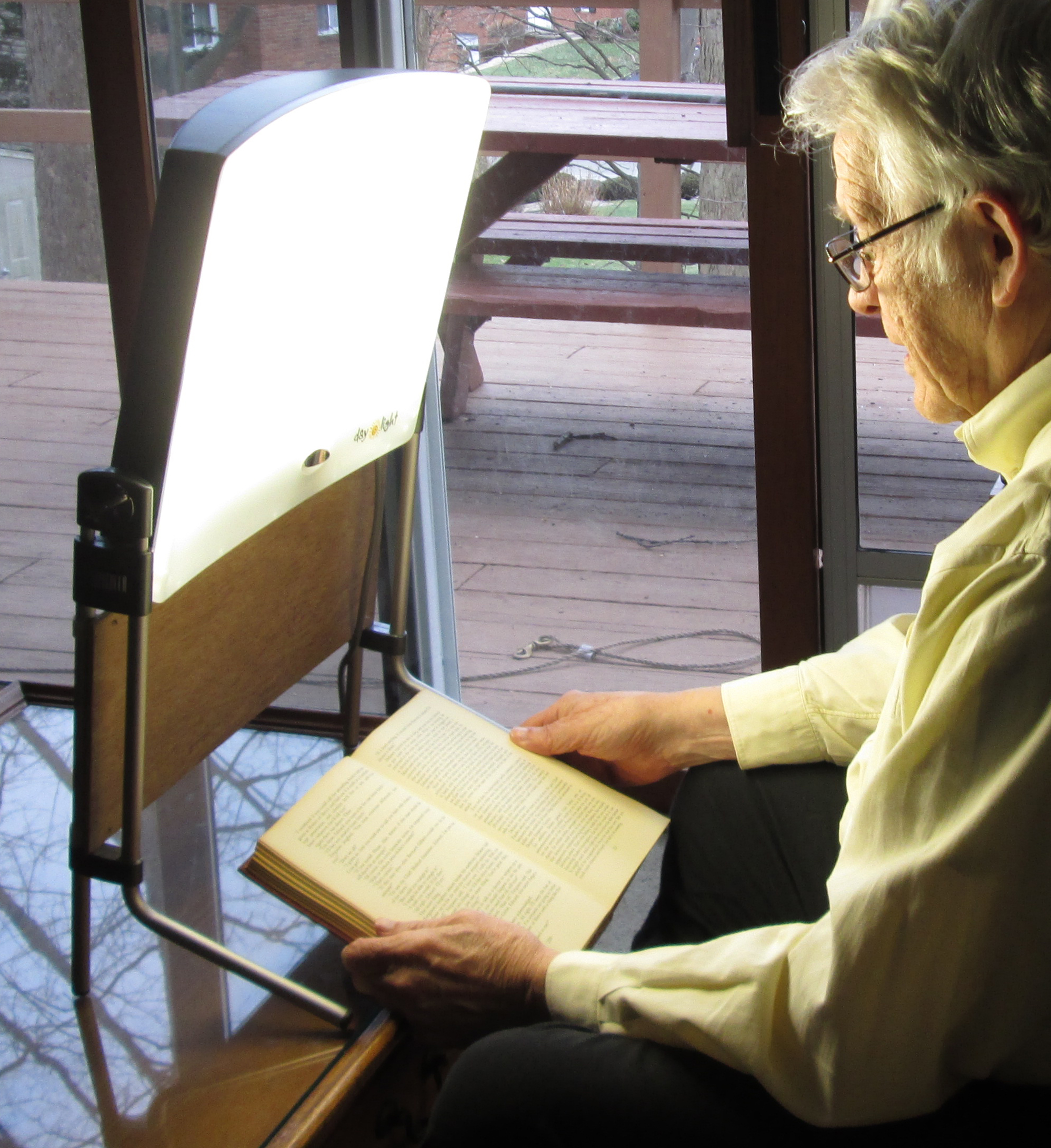
Light boxes for SAD work by simulating natural sunlight, which is believed to help regulate the body's circadian rhythm and boost levels of serotonin, a neurotransmitter associated with mood. Exposure to bright light, typically 10,000 lux, for a set period each morning (often 20-30 minutes) can help alleviate symptoms like fatigue, depression, and increased appetite that occur during darker months. The light box provides a concentrated and safe source of this bright light, compensating for reduced natural daylight exposure.
Are all light boxes the same?
No, light boxes vary significantly in design, purpose, and intensity. Therapeutic light boxes for SAD are designed to emit broad-spectrum light at high lux levels, often with specific wavelengths. Photography light boxes, like softboxes and light tents, focus on diffusing light to create soft, even illumination and minimize harsh shadows. Scientific light boxes can be highly specialized, offering precise control over spectral output, intensity, and duration for research purposes. Consumer light boxes for general wellness or task lighting also exist, differing in features and power.
What are the risks associated with using a light box?
The primary risks depend on the type of light box. For therapeutic light boxes, potential side effects can include eye strain, headaches, nausea, and irritability, though these are usually mild and temporary. Overexposure or using a device with excessive UV output can be harmful to the skin and eyes. It's crucial to follow manufacturer instructions regarding usage duration and distance. For photography or calibration boxes, the main concern is ensuring the light source itself doesn't overheat or pose an electrical hazard. Always use devices certified by reputable safety organizations.
Can light boxes be used for skin conditions?
Yes, certain types of light boxes are used in dermatology to treat specific skin conditions. Phototherapy, often involving controlled exposure to UV light (specifically UVB or UVA), can be effective for conditions like psoriasis, eczema, and vitiligo. These treatments are typically administered under medical supervision in specialized clinics, using calibrated light boxes designed for therapeutic efficacy and safety, often combined with photosensitizing medications in a process called PUVA therapy.
How do I choose the right light box for photography?
For photography, the choice depends on your subject and desired effect. If you need shadowless, even lighting for small objects, a light tent is ideal. For portraits or larger subjects, a softbox or umbrella attached to a studio light will provide softer, more flattering light. Consider the size of the light modifier – larger boxes produce softer light. Also, look at the CRI of the light source to ensure accurate color reproduction. For e-commerce, a portable, foldable light tent with built-in LEDs is often a practical choice.
What is the future of light box technology?
The future of light boxes is heading towards greater intelligence and personalization. Expect advancements in circadian lighting systems that automatically adjust light to support natural sleep-wake cycles, integrating with smart home ecosystems. LED technology will continue to offer more precise spectral control, enabling highly targeted therapeutic applications, perhaps even at a cellular level. Integration with VR and AR could create immersive light environments for entertainment and training. Miniaturization and increased efficiency will also lead to more portable and specialized devices for field research and personal wellness.