
Contents
- 🌎 Introduction to Kwashiorkor
- 🤝 Causes and Risk Factors
- 📊 Epidemiology and Demographics
- 👶 Age and Vulnerability
- 🌟 Nutrition and Biochemistry
- 🌿 Role of Antioxidant Micronutrients
- 🚫 Aflatoxins and Environmental Factors
- 🏥 Diagnosis and Treatment
- 🌈 Prevention and Public Health
- 🤝 Global Response and Awareness
- 📊 Research and Future Directions
- Frequently Asked Questions
- Related Topics
Overview
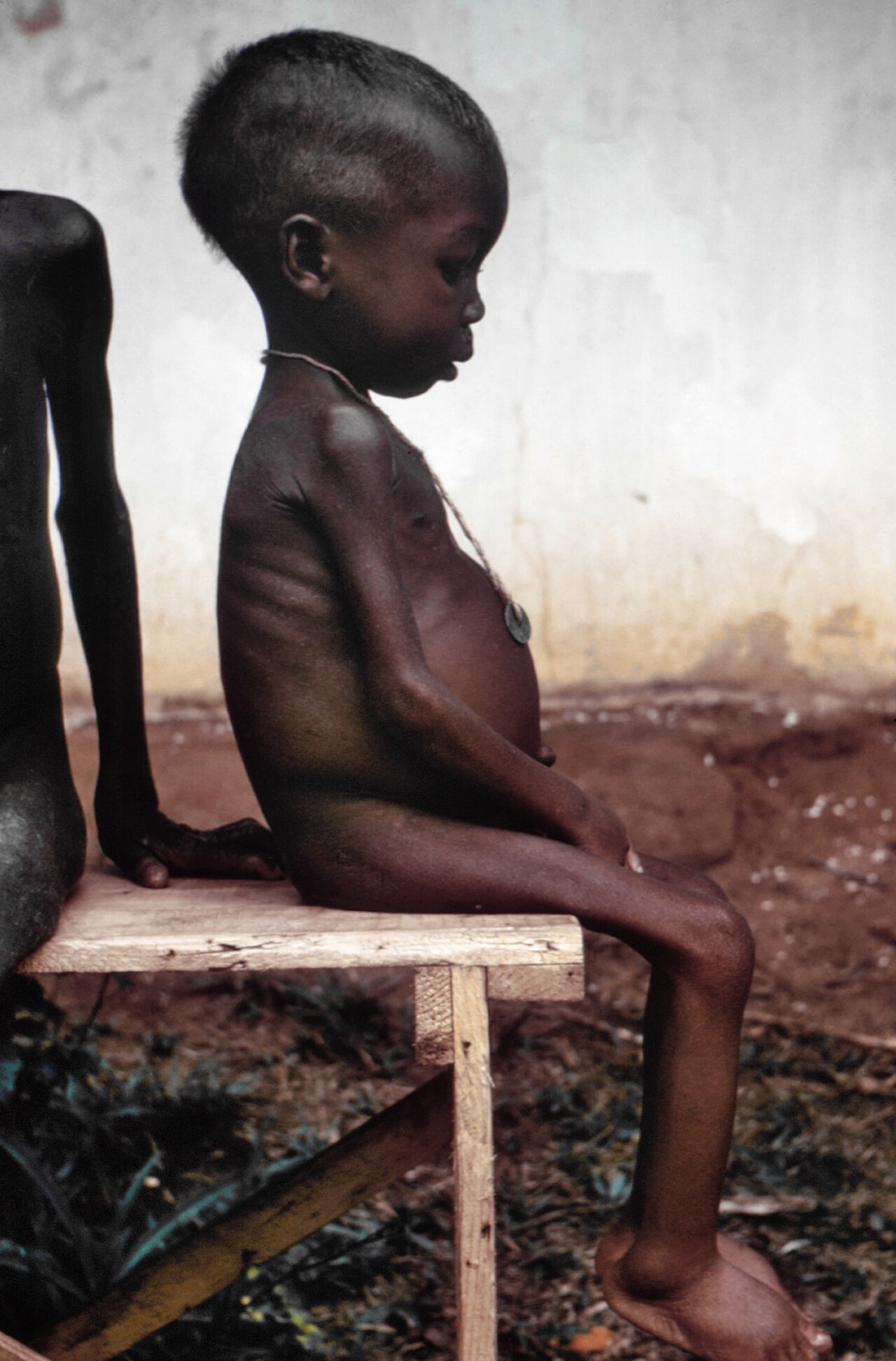
Kwashiorkor is a severe form of protein malnutrition characterized by edema and an enlarged liver with fatty infiltrates, as described in Protein Malnutrition articles. It is distinct from Marasmus, which is malnutrition of all sources of energy including protein. Recent studies have found that a lack of antioxidant micronutrients such as β-carotene, lycopene, other carotenoids, and Vitamin C as well as the presence of aflatoxins may play a role in the development of the disease. However, the exact cause of kwashiorkor is still unknown, and researchers continue to explore the relationship between Nutrition and Disease. The World Health Organization WHO has been working to address the issue of kwashiorkor, particularly in low-income countries. Inadequate food supply is correlated with kwashiorkor, and occurrences in high-income countries are rare, as discussed in Food Security articles.
🤝 Causes and Risk Factors
The causes and risk factors of kwashiorkor are complex and multifaceted, involving both nutritional and environmental factors. It is thought to be caused by sufficient calorie intake, but with insufficient protein consumption, as explained in Protein Deficiency articles. This can be due to a lack of access to protein-rich foods, or a diet that is heavily reliant on Starch-based foods. Additionally, the presence of aflatoxins, which are toxic compounds produced by certain molds, can increase the risk of developing kwashiorkor. The relationship between Aflatoxins and kwashiorkor is still being researched, but it is clear that addressing aflatoxin contamination is crucial to preventing the disease. Furthermore, Malnutrition is a significant risk factor for kwashiorkor, particularly in areas where food is scarce.
📊 Epidemiology and Demographics
Kwashiorkor is most commonly found in low-income countries, where access to nutritious food is limited. According to the UNICEF, kwashiorkor is a major public health concern in many developing countries, particularly in Sub-Saharan Africa and South Asia. The disease is most prevalent amongst weaning children to ages of about five years old, as discussed in Child Nutrition articles. This is because young children are particularly vulnerable to malnutrition, and their diets often lack essential nutrients. In addition, Breastfeeding practices and Weaning strategies can play a critical role in preventing kwashiorkor. The World Bank has been working to address the issue of kwashiorkor, particularly in low-income countries.
👶 Age and Vulnerability
Age is a significant factor in the development of kwashiorkor, with young children being most at risk. This is because children under the age of five are still developing and require a diet rich in protein and other essential nutrients to support their growth. As discussed in Child Development articles, a lack of these nutrients can have serious consequences for their health and well-being. Additionally, Pregnancy and Lactation can increase the risk of kwashiorkor in mothers, particularly if they are malnourished. The relationship between Maternal Nutrition and kwashiorkor is still being researched, but it is clear that addressing maternal malnutrition is crucial to preventing the disease. Furthermore, Family Planning and Reproductive Health can play a critical role in preventing kwashiorkor.
🌟 Nutrition and Biochemistry
The nutrition and biochemistry of kwashiorkor are complex and involve multiple factors. As explained in Nutrition Science articles, a diet that is deficient in protein can lead to a range of health problems, including edema and an enlarged liver. Additionally, a lack of antioxidant micronutrients such as β-carotene, lycopene, and Vitamin E can increase the risk of developing kwashiorkor. The relationship between Nutrient Deficiencies and kwashiorkor is still being researched, but it is clear that addressing these deficiencies is crucial to preventing the disease. Furthermore, Food Fortification and Supplementation can play a critical role in preventing kwashiorkor. The National Institutes of Health has been working to address the issue of kwashiorkor, particularly in low-income countries.
🌿 Role of Antioxidant Micronutrients
Antioxidant micronutrients play a critical role in preventing kwashiorkor, as they help to protect the body against oxidative stress and inflammation. As discussed in Antioxidants articles, a lack of these nutrients can increase the risk of developing kwashiorkor, particularly in areas where the diet is deficient in fruits and vegetables. The relationship between Fruit and Vegetable Consumption and kwashiorkor is still being researched, but it is clear that increasing consumption of these foods can help to prevent the disease. Additionally, Food Aid and Nutrition Assistance can play a critical role in preventing kwashiorkor, particularly in emergency situations. The Food and Agriculture Organization has been working to address the issue of kwashiorkor, particularly in low-income countries.
🚫 Aflatoxins and Environmental Factors
Aflatoxins are toxic compounds produced by certain molds, and they can increase the risk of developing kwashiorkor. As explained in Aflatoxin articles, aflatoxins can contaminate a range of foods, including grains, nuts, and seeds. The relationship between Food Contamination and kwashiorkor is still being researched, but it is clear that addressing aflatoxin contamination is crucial to preventing the disease. Furthermore, Food Safety and Quality Control can play a critical role in preventing kwashiorkor, particularly in areas where food is stored and handled. The Centers for Disease Control and Prevention has been working to address the issue of kwashiorkor, particularly in low-income countries.
🏥 Diagnosis and Treatment
Diagnosing and treating kwashiorkor requires a comprehensive approach that involves both medical and nutritional interventions. As discussed in Medical Nutrition Therapy articles, a diet that is rich in protein and other essential nutrients is critical to treating kwashiorkor. Additionally, Rehydration and Electrolyte Balance are crucial to managing the symptoms of kwashiorkor. The relationship between Fluid Therapy and kwashiorkor is still being researched, but it is clear that addressing fluid and electrolyte imbalances is crucial to treating the disease. Furthermore, Psychosocial Support and Counseling can play a critical role in supporting patients with kwashiorkor, particularly in areas where the disease is prevalent. The American Academy of Pediatrics has been working to address the issue of kwashiorkor, particularly in low-income countries.
🌈 Prevention and Public Health
Preventing kwashiorkor requires a comprehensive approach that involves both nutritional and environmental interventions. As explained in Public Health articles, increasing access to nutritious food, particularly in areas where the diet is deficient in protein and other essential nutrients, is critical to preventing kwashiorkor. Additionally, Food Aid and Nutrition Assistance can play a critical role in preventing kwashiorkor, particularly in emergency situations. The relationship between Humanitarian Aid and kwashiorkor is still being researched, but it is clear that addressing the root causes of malnutrition is crucial to preventing the disease. Furthermore, Sustainable Agriculture and Food Systems can play a critical role in preventing kwashiorkor, particularly in areas where food is scarce. The United Nations has been working to address the issue of kwashiorkor, particularly in low-income countries.
🤝 Global Response and Awareness
The global response to kwashiorkor has been significant, with a range of organizations and governments working to address the issue. As discussed in Global Health articles, the World Health Organization has been working to address the issue of kwashiorkor, particularly in low-income countries. Additionally, Non-Governmental Organizations such as UNICEF and Save the Children have been working to address the issue of kwashiorkor, particularly in emergency situations. The relationship between Humanitarian Response and kwashiorkor is still being researched, but it is clear that addressing the root causes of malnutrition is crucial to preventing the disease. Furthermore, International Cooperation and Development Assistance can play a critical role in addressing the issue of kwashiorkor, particularly in low-income countries.
📊 Research and Future Directions
Research and future directions for kwashiorkor are critical to addressing the issue of protein malnutrition. As explained in Nutrition Research articles, a better understanding of the causes and risk factors of kwashiorkor is crucial to developing effective interventions. Additionally, Clinical Trials and Epidemiological Studies can play a critical role in addressing the issue of kwashiorkor, particularly in areas where the disease is prevalent. The relationship between Research and Development and kwashiorkor is still being researched, but it is clear that addressing the root causes of malnutrition is crucial to preventing the disease. Furthermore, Innovation and Technology can play a critical role in addressing the issue of kwashiorkor, particularly in areas where food is scarce.
Key Facts
- Year
- 1935
- Origin
- Ghana
- Category
- Health and Medicine
- Type
- Medical Condition
Frequently Asked Questions
What is kwashiorkor?
Kwashiorkor is a severe form of protein malnutrition characterized by edema and an enlarged liver with fatty infiltrates. It is distinct from marasmus, which is malnutrition of all sources of energy including protein. Kwashiorkor is thought to be caused by sufficient calorie intake, but with insufficient protein consumption. The exact cause of kwashiorkor is still unknown, and researchers continue to explore the relationship between nutrition and disease.
What are the risk factors for kwashiorkor?
The risk factors for kwashiorkor include inadequate food supply, particularly in areas where the diet is deficient in protein and other essential nutrients. Additionally, aflatoxins, which are toxic compounds produced by certain molds, can increase the risk of developing kwashiorkor. Young children are particularly vulnerable to malnutrition, and their diets often lack essential nutrients. Furthermore, pregnancy and lactation can increase the risk of kwashiorkor in mothers, particularly if they are malnourished.
How is kwashiorkor diagnosed and treated?
Diagnosing and treating kwashiorkor requires a comprehensive approach that involves both medical and nutritional interventions. A diet that is rich in protein and other essential nutrients is critical to treating kwashiorkor. Additionally, rehydration and electrolyte balance are crucial to managing the symptoms of kwashiorkor. Psychosocial support and counseling can play a critical role in supporting patients with kwashiorkor, particularly in areas where the disease is prevalent.
How can kwashiorkor be prevented?
Preventing kwashiorkor requires a comprehensive approach that involves both nutritional and environmental interventions. Increasing access to nutritious food, particularly in areas where the diet is deficient in protein and other essential nutrients, is critical to preventing kwashiorkor. Additionally, food aid and nutrition assistance can play a critical role in preventing kwashiorkor, particularly in emergency situations. Sustainable agriculture and food systems can play a critical role in preventing kwashiorkor, particularly in areas where food is scarce.
What is the global response to kwashiorkor?
The global response to kwashiorkor has been significant, with a range of organizations and governments working to address the issue. The World Health Organization has been working to address the issue of kwashiorkor, particularly in low-income countries. Non-governmental organizations such as UNICEF and Save the Children have been working to address the issue of kwashiorkor, particularly in emergency situations. International cooperation and development assistance can play a critical role in addressing the issue of kwashiorkor, particularly in low-income countries.
What are the future directions for kwashiorkor research?
Research and future directions for kwashiorkor are critical to addressing the issue of protein malnutrition. A better understanding of the causes and risk factors of kwashiorkor is crucial to developing effective interventions. Clinical trials and epidemiological studies can play a critical role in addressing the issue of kwashiorkor, particularly in areas where the disease is prevalent. Innovation and technology can play a critical role in addressing the issue of kwashiorkor, particularly in areas where food is scarce.
What is the relationship between kwashiorkor and other health conditions?
Kwashiorkor is often associated with other health conditions, such as marasmus and stunting. Additionally, kwashiorkor can increase the risk of developing other health conditions, such as infectious diseases and mental health disorders. The relationship between kwashiorkor and other health conditions is still being researched, but it is clear that addressing the root causes of malnutrition is crucial to preventing a range of health problems.