
Contents
- 🌟 Introduction to Maternal Nutrition
- 🤰 Pregnancy and Nutrition: A Delicate Balance
- 📊 The Importance of Pre-Conception Nutrition
- 👶 Nutrition During Pregnancy: A Critical Period
- 🤱 Breastfeeding and Maternal Nutrition: A Symbiotic Relationship
- 🍎 Nutrition and Fetal Development: The Crucial Link
- 📊 The Impact of Maternal Nutrition on Childhood Health
- 🚨 Nutrition-Related Complications During Pregnancy
- 🌈 Cultural and Socioeconomic Factors Influencing Maternal Nutrition
- 📊 The Role of Healthcare Providers in Promoting Maternal Nutrition
- 👩🎓 Education and Awareness: The Key to Optimal Maternal Nutrition
- 🌐 Global Perspectives on Maternal Nutrition: Challenges and Opportunities
- Frequently Asked Questions
- Related Topics
Overview
Maternal nutrition is a multifaceted field that has garnered significant attention in recent years due to its profound impact on fetal development, pregnancy outcomes, and long-term health of both mothers and children. According to the World Health Organization (WHO), approximately 800 women die every day due to complications during pregnancy or childbirth, with poor nutrition being a major contributing factor. Research by Dr. Janet King, a renowned expert in maternal nutrition, highlights the importance of adequate nutrient intake, including folic acid, iron, and calcium, during pregnancy. However, controversy surrounds the optimal dietary approaches, with some advocating for a plant-based diet and others promoting a more balanced approach that includes animal products. The influence of social and economic factors, such as food insecurity and socioeconomic status, on maternal nutrition cannot be overstated, with a study by the National Institutes of Health (NIH) finding that women from low-income backgrounds are more likely to experience poor pregnancy outcomes. As the field continues to evolve, it is essential to consider the perspectives of various stakeholders, including healthcare providers, policymakers, and women themselves, to ensure that maternal nutrition interventions are effective, equitable, and sustainable.
🌟 Introduction to Maternal Nutrition
Maternal nutrition is a vital aspect of health and wellness that has a profound impact on the health of both the mother and the child. As noted by the World Health Organization, nutrition and pregnancy are intricately linked, with the mother's nutrient intake and dietary planning playing a critical role in fetal development. The American College of Obstetricians and Gynecologists recommends that women of childbearing age maintain a healthy diet and lifestyle to optimize their chances of a healthy pregnancy. Furthermore, research has shown that maternal nutrition can have a lasting impact on the child's health, with studies linking poor maternal nutrition to an increased risk of cancer, cardiovascular disease, hypertension, and diabetes later in life.
🤰 Pregnancy and Nutrition: A Delicate Balance
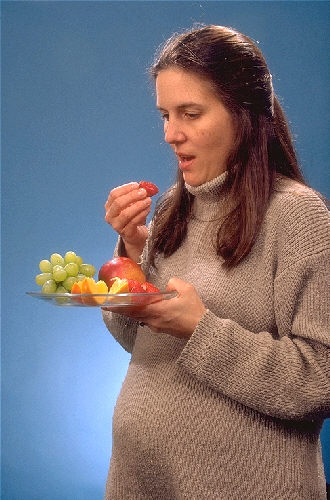
Pregnancy is a unique period in a woman's life, marked by significant physiological changes that require careful nutritional planning. According to the National Institutes of Health, a well-balanced diet that includes essential nutrients such as folic acid, iron, and calcium is crucial for maintaining the health of both the mother and the fetus. The Academy of Nutrition and Dietetics recommends that pregnant women consume a variety of whole foods, including fruits, vegetables, whole grains, lean proteins, and healthy fats. Additionally, pregnant women should limit their intake of added sugars, saturated fats, and sodium.
📊 The Importance of Pre-Conception Nutrition
Pre-conception nutrition is a critical aspect of maternal health that is often overlooked. As noted by the Centers for Disease Control and Prevention, a woman's nutritional status before conception can have a significant impact on her fertility and the health of her future child. The American Society for Reproductive Medicine recommends that women of childbearing age maintain a healthy weight, consume a balanced diet, and avoid substance abuse to optimize their chances of a healthy pregnancy. Furthermore, research has shown that pre-conception nutrition can influence the risk of birth defects and other pregnancy complications.
👶 Nutrition During Pregnancy: A Critical Period
Nutrition during pregnancy is a complex and multifaceted topic that requires careful consideration. According to the Institute of Medicine, pregnant women have unique nutritional needs that must be met to support fetal growth and development. The American College of Nutrition recommends that pregnant women consume a variety of nutrient-dense foods, including lean proteins, whole grains, and a range of colorful fruits and vegetables. Additionally, pregnant women should be aware of the potential risks associated with food-borne illness and take steps to minimize their exposure to pathogens.
🤱 Breastfeeding and Maternal Nutrition: A Symbiotic Relationship
Breastfeeding is a natural and essential aspect of maternal nutrition that provides numerous benefits for both the mother and the child. As noted by the World Health Organization, breastfeeding is the optimal form of nutrition for infants, providing essential nutrients and immunoglobulins that support immune system development. The American Academy of Pediatrics recommends that mothers breastfeed exclusively for the first six months, with continued breastfeeding along with solid foods until at least 12 months of age. Furthermore, research has shown that breastfeeding can reduce the risk of obesity, diabetes, and other health problems later in life.
🍎 Nutrition and Fetal Development: The Crucial Link
Nutrition and fetal development are intricately linked, with the mother's nutrient intake playing a critical role in supporting the growth and development of the fetus. According to the National Institutes of Health, a well-balanced diet that includes essential nutrients such as folic acid, iron, and calcium is crucial for maintaining the health of the fetus. The American College of Obstetricians and Gynecologists recommends that pregnant women consume a variety of whole foods, including fruits, vegetables, whole grains, lean proteins, and healthy fats. Additionally, pregnant women should be aware of the potential risks associated with nutrient deficiencies and take steps to minimize their exposure to toxins.
📊 The Impact of Maternal Nutrition on Childhood Health
The impact of maternal nutrition on childhood health is a topic of significant interest and concern. As noted by the Centers for Disease Control and Prevention, a mother's nutritional status during pregnancy can have a lasting impact on the health of her child, with research linking poor maternal nutrition to an increased risk of obesity, diabetes, and other health problems later in life. The American Academy of Pediatrics recommends that mothers maintain a healthy diet and lifestyle to optimize their child's health and development. Furthermore, research has shown that maternal nutrition can influence the risk of allergies and other immune system disorders.
🌈 Cultural and Socioeconomic Factors Influencing Maternal Nutrition
Cultural and socioeconomic factors can have a significant impact on maternal nutrition, with many women facing barriers to accessing healthy and nutritious food. As noted by the World Health Organization, food insecurity and poverty are major concerns for many women, particularly in low-income countries. The United Nations recommends that governments and healthcare providers work to address these disparities and promote equal access to nutritious food and healthcare services. Furthermore, research has shown that cultural and socioeconomic factors can influence a woman's nutritional status and health outcomes during pregnancy.
📊 The Role of Healthcare Providers in Promoting Maternal Nutrition
Healthcare providers play a critical role in promoting maternal nutrition and supporting the health of pregnant women. According to the American College of Obstetricians and Gynecologists, healthcare providers should provide pregnant women with personalized nutrition counseling and support to optimize their health and development. The Academy of Nutrition and Dietetics recommends that healthcare providers work to address the unique nutritional needs of pregnant women, including those with dietary restrictions or food allergies. Additionally, healthcare providers should be aware of the potential risks associated with nutrient deficiencies and take steps to minimize their exposure to toxins.
👩🎓 Education and Awareness: The Key to Optimal Maternal Nutrition
Education and awareness are essential for promoting optimal maternal nutrition and supporting the health of pregnant women. As noted by the Centers for Disease Control and Prevention, pregnant women should be educated about the importance of nutrition and provided with resources and support to maintain a healthy diet and lifestyle. The American Academy of Pediatrics recommends that healthcare providers work to promote education and awareness about maternal nutrition, including the risks associated with food-borne illness and the benefits of breastfeeding. Furthermore, research has shown that education and awareness can influence a woman's nutritional status and health outcomes during pregnancy.
🌐 Global Perspectives on Maternal Nutrition: Challenges and Opportunities
Global perspectives on maternal nutrition highlight the significant disparities and challenges that exist in promoting optimal nutrition for pregnant women. According to the World Health Organization, maternal nutrition is a critical aspect of global health, with many women facing barriers to accessing healthy and nutritious food. The United Nations recommends that governments and healthcare providers work to address these disparities and promote equal access to nutritious food and healthcare services. Furthermore, research has shown that global perspectives on maternal nutrition can influence a woman's nutritional status and health outcomes during pregnancy, with significant implications for child health and development.
Key Facts
- Year
- 2022
- Origin
- Vibepedia
- Category
- Health and Wellness
- Type
- Concept
Frequently Asked Questions
What is the importance of maternal nutrition during pregnancy?
Maternal nutrition is crucial for the health and development of the fetus, with a well-balanced diet providing essential nutrients and supporting fetal growth. According to the National Institutes of Health, a mother's nutritional status during pregnancy can have a lasting impact on the health of her child, with research linking poor maternal nutrition to an increased risk of obesity, diabetes, and other health problems later in life. The American College of Obstetricians and Gynecologists recommends that pregnant women consume a variety of whole foods, including fruits, vegetables, whole grains, lean proteins, and healthy fats.
What are the risks associated with poor maternal nutrition?
Poor maternal nutrition can increase the risk of birth defects, low birth weight, and other pregnancy complications. According to the Centers for Disease Control and Prevention, a mother's nutritional status during pregnancy can have a lasting impact on the health of her child, with research linking poor maternal nutrition to an increased risk of obesity, diabetes, and other health problems later in life. The American Academy of Pediatrics recommends that mothers maintain a healthy diet and lifestyle to optimize their child's health and development.
How can healthcare providers promote maternal nutrition?
Healthcare providers can promote maternal nutrition by providing personalized nutrition counseling and support, addressing the unique nutritional needs of pregnant women, and promoting education and awareness about the importance of nutrition. According to the American College of Obstetricians and Gynecologists, healthcare providers should work to address the nutritional needs of pregnant women, including those with dietary restrictions or food allergies. The Academy of Nutrition and Dietetics recommends that healthcare providers work to promote education and awareness about maternal nutrition, including the risks associated with food-borne illness and the benefits of breastfeeding.
What is the role of breastfeeding in maternal nutrition?
Breastfeeding is a natural and essential aspect of maternal nutrition that provides numerous benefits for both the mother and the child. According to the World Health Organization, breastfeeding is the optimal form of nutrition for infants, providing essential nutrients and immunoglobulins that support immune system development. The American Academy of Pediatrics recommends that mothers breastfeed exclusively for the first six months, with continued breastfeeding along with solid foods until at least 12 months of age.
How can cultural and socioeconomic factors influence maternal nutrition?
Cultural and socioeconomic factors can have a significant impact on maternal nutrition, with many women facing barriers to accessing healthy and nutritious food. According to the World Health Organization, food insecurity and poverty are major concerns for many women, particularly in low-income countries. The United Nations recommends that governments and healthcare providers work to address these disparities and promote equal access to nutritious food and healthcare services.
What are the global perspectives on maternal nutrition?
Global perspectives on maternal nutrition highlight the significant disparities and challenges that exist in promoting optimal nutrition for pregnant women. According to the World Health Organization, maternal nutrition is a critical aspect of global health, with many women facing barriers to accessing healthy and nutritious food. The United Nations recommends that governments and healthcare providers work to address these disparities and promote equal access to nutritious food and healthcare services.
How can education and awareness promote maternal nutrition?
Education and awareness are essential for promoting optimal maternal nutrition and supporting the health of pregnant women. According to the Centers for Disease Control and Prevention, pregnant women should be educated about the importance of nutrition and provided with resources and support to maintain a healthy diet and lifestyle. The American Academy of Pediatrics recommends that healthcare providers work to promote education and awareness about maternal nutrition, including the risks associated with food-borne illness and the benefits of breastfeeding.