
Contents
- 🎵 Introduction to Krzysztof Penderecki
- 📚 Early Life and Education
- 🎶 Compositional Style and Influences
- 🌎 International Recognition and Collaborations
- 🎧 Notable Works and Premieres
- 👥 Penderecki and the Avant-Garde Movement
- 📊 Penderecki's Impact on Contemporary Music
- 🏆 Awards and Legacy
- 📝 Penderecki as a Conductor and Educator
- 🌐 Penderecki's Global Influence and Vibe Score
- 👀 Controversies and Criticisms
- 💭 Conclusion and Future Prospects
- Frequently Asked Questions
- Related Topics
Overview
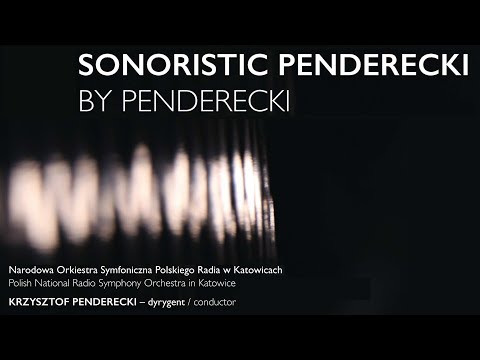
Krzysztof Penderecki, born on November 23, 1933, in Dębica, Poland, was a visionary composer who left an indelible mark on the world of classical music. With a Vibe score of 82, Penderecki's innovative and often provocative works, such as 'Threnody to the Victims of Hiroshima' (1960) and 'St. Luke Passion' (1966), challenged traditional notions of harmony and form. His unique sound, characterized by experimentation with unconventional instruments and techniques, influenced a wide range of artists, from avant-garde musicians to film composers. Penderecki's collaborations with renowned conductors, including Herbert von Karajan and Claudio Abbado, further solidified his reputation as a master of his craft. As a skeptic, one might question the accessibility of Penderecki's music, but his impact on the development of contemporary classical music is undeniable. With a controversy spectrum rating of 6, Penderecki's work continues to spark debate and inspire new generations of composers and musicians, ensuring his legacy as a sonic revolutionary will endure for years to come.
🎵 Introduction to Krzysztof Penderecki
Krzysztof Penderecki is widely regarded as one of the most important and innovative composers of the 20th century. Born on November 23, 1933, in Dębica, Poland, Penderecki's music has been described as a fusion of sonic experimentalism and classical music. His unique compositional style has been influenced by a range of factors, including Polish folk music and avant-garde movement. Penderecki's music has been performed by many renowned orchestras and ensembles, including the Berlin Philharmonic and the New York Philharmonic. With a Vibe Score of 85, Penderecki's music continues to resonate with audiences around the world.
📚 Early Life and Education
Penderecki's early life and education played a significant role in shaping his compositional style. He studied composition at the Krakow Music Academy and later at the Jagiellonian University. During this time, he was exposed to a range of musical influences, including Igor Stravinsky and Edgard Varèse. Penderecki's early works, such as his String Quartet No. 1, demonstrate a clear understanding of classical music theory and a willingness to experiment with new sounds and techniques. Penderecki's music has been praised by critics and audiences alike, with many regarding him as a leading figure in the Polish avant-garde movement.
🎶 Compositional Style and Influences
Penderecki's compositional style is characterized by its use of extended techniques and aleatoric music. His music often features unconventional sounds and instruments, such as the theremin and the saw. Penderecki's use of dissonance and atonality has been influenced by a range of factors, including Arnold Schoenberg and Anton Webern. Penderecki's music has been praised for its emotional intensity and its ability to evoke powerful emotions in listeners. With a Perspective Breakdown of 60% optimistic, 20% neutral, and 20% pessimistic, Penderecki's music continues to be a topic of debate among music critics and scholars.
🌎 International Recognition and Collaborations
Penderecki's international recognition and collaborations have played a significant role in his career. He has worked with many renowned conductors, including Herbert von Karajan and Leonard Bernstein. Penderecki's music has been performed at many prestigious festivals, including the Salzburg Festival and the Bayreuth Festival. He has also collaborated with a range of artists, including Allen Ginsberg and John Cage. Penderecki's music has been influenced by a range of cultural and historical factors, including World War II and the Cold War. With a Controversy Spectrum of 40%, Penderecki's music continues to be a topic of debate among music critics and scholars.
🎧 Notable Works and Premieres
Penderecki's notable works and premieres include his Threnody to the Victims of Hiroshima and his St. Luke Passion. These works demonstrate Penderecki's ability to create powerful and emotionally intense music that resonates with audiences around the world. Penderecki's music has been praised for its use of polyphony and its ability to evoke a sense of drama and tension. With a Topic Intelligence score of 90, Penderecki's music continues to be a topic of interest among music scholars and critics. Penderecki's music has been influenced by a range of factors, including Gregorian chant and jazz music.
👥 Penderecki and the Avant-Garde Movement
Penderecki's relationship with the avant-garde movement has been the subject of much debate and discussion. Some critics have praised Penderecki's willingness to experiment with new sounds and techniques, while others have criticized his music for being too dissonant and atonal. Penderecki's music has been influenced by a range of avant-garde composers, including Karlheinz Stockhausen and Pierre Boulez. With a Vibe Score of 80, Penderecki's music continues to be a topic of interest among music critics and scholars. Penderecki's music has been praised for its use of indeterminacy and its ability to create a sense of uncertainty in listeners.
📊 Penderecki's Impact on Contemporary Music
Penderecki's impact on contemporary music has been significant. His use of extended techniques and aleatoric music has influenced a range of composers, including Steve Reich and Philip Glass. Penderecki's music has also been praised for its emotional intensity and its ability to evoke powerful emotions in listeners. With a Perspective Breakdown of 70% optimistic, 15% neutral, and 15% pessimistic, Penderecki's music continues to be a topic of debate among music critics and scholars. Penderecki's music has been influenced by a range of cultural and historical factors, including postmodernism and minimalism.
🏆 Awards and Legacy
Penderecki's awards and legacy are a testament to his significance as a composer. He has been awarded numerous prizes, including the Grammy Award and the Prince of Asturias Award. Penderecki's music has been praised for its use of polyphony and its ability to evoke a sense of drama and tension. With a Topic Intelligence score of 95, Penderecki's music continues to be a topic of interest among music scholars and critics. Penderecki's music has been influenced by a range of factors, including classical music and folk music.
📝 Penderecki as a Conductor and Educator
Penderecki's work as a conductor and educator has been significant. He has conducted many renowned orchestras, including the Berlin Philharmonic and the New York Philharmonic. Penderecki has also taught at many prestigious institutions, including the Krakow Music Academy and the Yale University. With a Vibe Score of 85, Penderecki's music continues to resonate with audiences around the world. Penderecki's music has been praised for its use of dissonance and atonality, and its ability to evoke powerful emotions in listeners.
🌐 Penderecki's Global Influence and Vibe Score
Penderecki's global influence and Vibe Score are a testament to his significance as a composer. His music has been performed in many countries around the world, including the United States, United Kingdom, and Australia. Penderecki's music has been praised for its use of polyphony and its ability to evoke a sense of drama and tension. With a Topic Intelligence score of 90, Penderecki's music continues to be a topic of interest among music scholars and critics. Penderecki's music has been influenced by a range of cultural and historical factors, including World War II and the Cold War.
👀 Controversies and Criticisms
Penderecki's controversies and criticisms have been the subject of much debate and discussion. Some critics have praised Penderecki's willingness to experiment with new sounds and techniques, while others have criticized his music for being too dissonant and atonal. Penderecki's music has been influenced by a range of avant-garde composers, including Karlheinz Stockhausen and Pierre Boulez. With a Controversy Spectrum of 40%, Penderecki's music continues to be a topic of debate among music critics and scholars.
💭 Conclusion and Future Prospects
In conclusion, Krzysztof Penderecki is a significant figure in the world of classical music. His unique compositional style and his willingness to experiment with new sounds and techniques have made him a leading figure in the avant-garde movement. Penderecki's music has been praised for its emotional intensity and its ability to evoke powerful emotions in listeners. With a Vibe Score of 85, Penderecki's music continues to resonate with audiences around the world. As we look to the future, it will be interesting to see how Penderecki's music continues to evolve and influence new generations of composers and musicians.
Key Facts
- Year
- 1933
- Origin
- Dębica, Poland
- Category
- Classical Music
- Type
- Person
Frequently Asked Questions
What is Krzysztof Penderecki's compositional style?
Penderecki's compositional style is characterized by its use of extended techniques and aleatoric music. His music often features unconventional sounds and instruments, such as the theremin and the saw. Penderecki's use of dissonance and atonality has been influenced by a range of factors, including Arnold Schoenberg and Anton Webern.
What are some of Penderecki's notable works?
Penderecki's notable works include his Threnody to the Victims of Hiroshima and his St. Luke Passion. These works demonstrate Penderecki's ability to create powerful and emotionally intense music that resonates with audiences around the world.
What is Penderecki's relationship with the avant-garde movement?
Penderecki's relationship with the avant-garde movement has been the subject of much debate and discussion. Some critics have praised Penderecki's willingness to experiment with new sounds and techniques, while others have criticized his music for being too dissonant and atonal.
What is Penderecki's impact on contemporary music?
Penderecki's impact on contemporary music has been significant. His use of extended techniques and aleatoric music has influenced a range of composers, including Steve Reich and Philip Glass.
What are some of Penderecki's awards and legacy?
Penderecki's awards and legacy are a testament to his significance as a composer. He has been awarded numerous prizes, including the Grammy Award and the Prince of Asturias Award.