
Contents
- 🔍 Introduction to Keratin
- 🧬 The Structure of Keratin
- 🦊 Keratin in Vertebrates
- 💅 Keratin in Human Biology
- 🌿 Keratin vs. Other Biological Materials
- 🐴 Keratinization in Different Species
- 🔬 The Role of Keratin in Tissue Fortification
- 🧬 Types of Keratin
- 👥 Keratin Research and Applications
- 🔮 Future Directions in Keratin Study
- 📊 Keratin in Biotechnology
- 👀 Conclusion
- Frequently Asked Questions
- Related Topics
Overview
Keratin, a type of fibrous structural protein, is the primary component of hair, skin, and nails in humans and many other animals. With a Vibe score of 80, keratin has been a subject of interest in various fields, including cosmetics, biotechnology, and materials science. The protein's unique properties, such as its high tensile strength and elasticity, make it an essential component of many biological systems. However, keratin's role in human health and disease is still not fully understood, with ongoing research exploring its potential links to conditions like skin disorders and cancer. As scientists continue to unravel the mysteries of keratin, new applications and products are emerging, from hair care treatments to biomaterials. With a controversy spectrum of 6, keratin's use in various industries has sparked debates about its environmental impact, animal testing, and cultural appropriation.
🔍 Introduction to Keratin
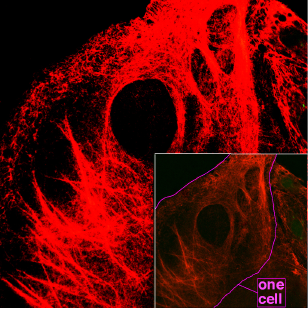
Keratin is a fascinating protein that plays a crucial role in the biology of tetrapod vertebrates. As a key structural material, keratin makes up Scales in fish, Hair in mammals, Nails in primates, Feathers in birds, and the outer layer of Skin in humans. Keratin also protects Epithelial Cells from damage or stress, making it an essential component of our bodies. With its extreme insolubility in water and organic solvents, keratin is a unique protein that has evolved to provide strength and protection to various tissues. Keratin monomers assemble into bundles to form Intermediate Filaments, which are tough and form strong unmineralized epidermal appendages found in Reptiles, Birds, Amphibians, and Mammals.
🧬 The Structure of Keratin
The structure of keratin is complex and has been studied extensively in various fields, including Biochemistry and Biophysics. Keratin monomers are composed of amino acids, which are linked together to form a long chain. This chain then coils into a helix, which is stabilized by hydrogen bonds. The resulting structure is extremely strong and resistant to degradation, making keratin an ideal material for various biological applications. Keratin is also highly Hydrophobic, which allows it to interact with other non-polar molecules and form strong bonds. This property is essential for the formation of Keratin Filaments, which are the building blocks of keratin-based tissues.
🦊 Keratin in Vertebrates
In vertebrates, keratin plays a vital role in the development and maintenance of various tissues. For example, keratin is essential for the formation of Hair Follicles in mammals, where it provides strength and rigidity to the hair shaft. Similarly, keratin is crucial for the development of Feathers in birds, where it provides insulation and protection from the environment. In Reptiles, keratin is used to form Scales, which provide protection and aid in movement. Keratin is also found in the Skin of vertebrates, where it provides a barrier against water loss and protects against external damage.
💅 Keratin in Human Biology
In human biology, keratin is an essential component of our Skin and Hair. Keratin filaments in the skin provide strength and rigidity, while also aiding in the formation of the Stratum Corneum, the outermost layer of the skin. In hair, keratin provides strength and elasticity, allowing it to withstand various environmental stresses. Keratin is also found in our Nails, where it provides strength and rigidity. The importance of keratin in human biology is evident in various Keratin-Related Disorders, such as Epidermolysis Bullosa, which are characterized by defects in keratin filament formation.
🌿 Keratin vs. Other Biological Materials
Keratin is often compared to other biological materials, such as Chitin, which is found in the exoskeletons of Insects and Crustaceans. While both keratin and chitin are strong and resistant to degradation, they have distinct differences in terms of their structure and function. Keratin is highly Hydrophobic, while chitin is more Hydrophilic. This difference in properties allows keratin to interact with other non-polar molecules, forming strong bonds that are essential for its function. In contrast, chitin is more flexible and can form hydrogen bonds with water, making it an ideal material for aquatic environments.
🐴 Keratinization in Different Species
Keratinization is a process that occurs in various species, resulting in the formation of keratin-based tissues. In Cattle and Rhinos, keratinization leads to the formation of Horns, which provide protection and aid in defense. In Armadillos, keratinization results in the formation of Osteoderms, which are bony plates that provide protection and aid in movement. Keratinization is also essential for the formation of Feathers in birds, where it provides insulation and protection from the environment. The process of keratinization is complex and involves the interaction of various Proteins and Enzymes.
🔬 The Role of Keratin in Tissue Fortification
The role of keratin in tissue fortification is essential for the protection and maintenance of various tissues. In Skin, keratin filaments provide strength and rigidity, while also aiding in the formation of the Stratum Corneum. In Hair, keratin provides strength and elasticity, allowing it to withstand various environmental stresses. Keratin is also found in our Nails, where it provides strength and rigidity. The importance of keratin in tissue fortification is evident in various Keratin-Related Disorders, such as Epidermolysis Bullosa, which are characterized by defects in keratin filament formation.
🧬 Types of Keratin
There are two types of keratin: the primitive, softer forms found in all vertebrates and the harder, derived forms found only among Sauropsids. The primitive forms of keratin are characterized by their softer and more flexible structure, which is ideal for the formation of Scales and Skin. In contrast, the harder forms of keratin are characterized by their rigid and resistant structure, which is ideal for the formation of Horns and Feathers. The difference in structure and function between these two types of keratin is essential for the diversity of keratin-based tissues found in vertebrates.
👥 Keratin Research and Applications
Keratin research has led to various applications in fields such as Biotechnology and Medicine. Keratin-based biomaterials have been developed for use in Tissue Engineering and Regenerative Medicine. These biomaterials have the potential to revolutionize the field of medicine, providing new treatments for various diseases and injuries. Keratin research has also led to a greater understanding of the structure and function of keratin, which has shed light on the importance of this protein in various biological processes.
🔮 Future Directions in Keratin Study
The future of keratin study is exciting and holds much promise. With the development of new technologies and techniques, researchers are able to study keratin in greater detail than ever before. This has led to a greater understanding of the structure and function of keratin, which has shed light on the importance of this protein in various biological processes. The study of keratin also has the potential to lead to new discoveries and applications, such as the development of keratin-based biomaterials for use in Tissue Engineering and Regenerative Medicine.
📊 Keratin in Biotechnology
Keratin has various applications in biotechnology, including the development of keratin-based biomaterials for use in Tissue Engineering and Regenerative Medicine. These biomaterials have the potential to revolutionize the field of medicine, providing new treatments for various diseases and injuries. Keratin is also used in the production of Biodegradable Plastics, which have the potential to replace traditional plastics and reduce environmental pollution.
👀 Conclusion
In conclusion, keratin is a fascinating protein that plays a crucial role in the biology of tetrapod vertebrates. Its unique structure and function make it an ideal material for various biological applications, from the formation of Scales and Skin to the development of Horns and Feathers. The study of keratin has led to a greater understanding of its importance in various biological processes and has the potential to lead to new discoveries and applications in fields such as Biotechnology and Medicine.
Key Facts
- Year
- 1950
- Origin
- Ancient Greece, where the word 'keratin' was first coined from the Greek word 'keras', meaning horn
- Category
- Biology
- Type
- Protein
Frequently Asked Questions
What is keratin and what is its function?
Keratin is a protein that plays a crucial role in the biology of tetrapod vertebrates. It is the key structural material making up Scales, Hair, Nails, Feathers, Horns, Claws, Hooves, and the outer layer of Skin. Keratin also protects Epithelial Cells from damage or stress. Its unique structure and function make it an ideal material for various biological applications.
What are the two types of keratin?
There are two types of keratin: the primitive, softer forms found in all vertebrates and the harder, derived forms found only among Sauropsids. The primitive forms of keratin are characterized by their softer and more flexible structure, which is ideal for the formation of Scales and Skin. In contrast, the harder forms of keratin are characterized by their rigid and resistant structure, which is ideal for the formation of Horns and Feathers.
What are some applications of keratin in biotechnology?
Keratin has various applications in biotechnology, including the development of keratin-based biomaterials for use in Tissue Engineering and Regenerative Medicine. These biomaterials have the potential to revolutionize the field of medicine, providing new treatments for various diseases and injuries. Keratin is also used in the production of Biodegradable Plastics, which have the potential to replace traditional plastics and reduce environmental pollution.
What is the importance of keratin in human biology?
Keratin is an essential component of our Skin and Hair. Keratin filaments in the skin provide strength and rigidity, while also aiding in the formation of the Stratum Corneum, the outermost layer of the skin. In hair, keratin provides strength and elasticity, allowing it to withstand various environmental stresses. Keratin is also found in our Nails, where it provides strength and rigidity.
What are some keratin-related disorders?
Keratin-related disorders are characterized by defects in keratin filament formation. Examples of keratin-related disorders include Epidermolysis Bullosa, which is characterized by blistering of the skin and mucous membranes. Other keratin-related disorders include Ichthyosis, which is characterized by dry, scaly skin, and Psoriasis, which is characterized by red, scaly patches on the skin.