
Contents
Overview
Nails, the keratinous plates at our fingertips and toes, have transcended their biological function to become a canvas for personal expression and cultural signaling. Historically, nail adornment signified status and ritual, evolving through eras of simple polish to today's complex nail art, acrylics, and gel extensions. The modern nail industry is a multi-billion dollar global enterprise, driven by trends in fashion, celebrity influence, and the rise of social media platforms like Instagram and TikTok, which showcase intricate designs and techniques. Beyond aesthetics, nail health remains a crucial aspect, with ongoing research into treatments for fungal infections and damage, highlighting the dual nature of nails as both a fashion statement and a health indicator.
💅 What Are Nails, Really?
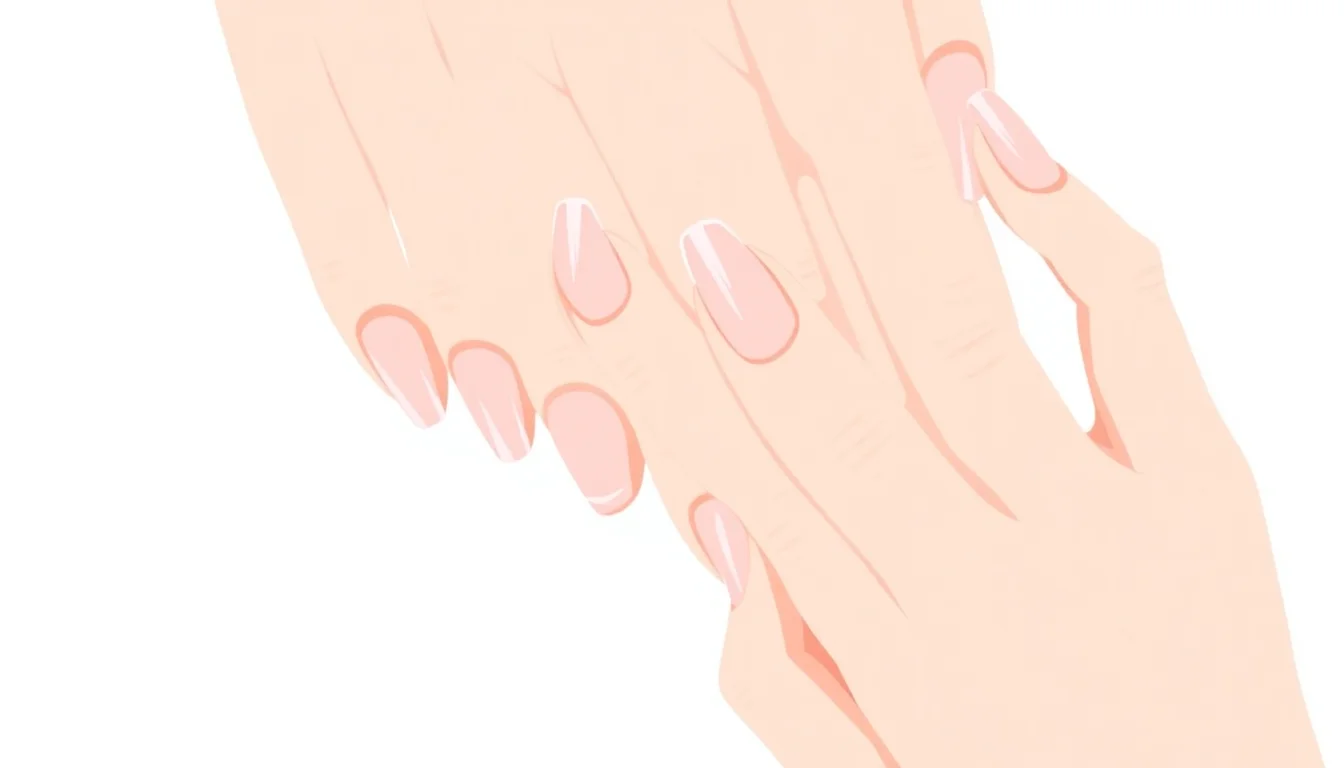
Nails, in the context of beauty and personal care, are the hard, protective coverings found on the tips of fingers and toes. Composed primarily of keratin, the same protein that makes up hair, these structures are more than just aesthetic features; they play a crucial role in protecting the sensitive nail bed and aiding in fine motor tasks like picking up small objects. While often associated with elaborate nail art and polished finishes, the fundamental nail is a biological marvel, a testament to evolutionary design. Understanding the anatomy of a nail, from the cuticle to the free edge, is the first step in appreciating its potential for both health and artistic expression.
📜 A Brief History of Adornment
The human fascination with decorating nails stretches back millennia. Ancient civilizations like the Babylonians, Egyptians, and Chinese used colored dyes derived from plants and minerals to adorn their nails, signifying social status, religious affiliation, or even impending fortune. The Egyptians, for instance, are believed to have used henna to color their nails, with darker shades often reserved for royalty. In ancient China, nail length was a symbol of status, with long nails indicating a life free from manual labor. This historical precedent underscores that what we now call manicures and pedicures are deeply rooted in a long-standing human desire for self-expression and adornment.
✨ The Art and Science of Nail Design
Contemporary nail design is a vibrant, ever-evolving art form. From minimalist French tips to intricate 3D embellishments, the possibilities are virtually limitless. Nail technicians and enthusiasts alike push creative boundaries, incorporating elements from fashion, art, and pop culture into their designs. Techniques range from simple polish application to complex gel sculpting, acrylic extensions, and the application of decals, rhinestones, and even tiny paintings. The rise of social media platforms like Instagram and TikTok has further amplified this creativity, allowing artists to share their work globally and inspiring new trends at an unprecedented pace.
🛠️ Nail Types and Tools
The world of nails involves a diverse array of tools and materials. For basic care, one might use nail clippers, files (emery boards, glass files), and cuticle pushers. For more advanced techniques, the arsenal expands to include UV/LED lamps for curing gel polishes, acrylic powders and liquids for extensions, nail drills for shaping and refinement, and a vast spectrum of polishes, gels, and specialty products. Understanding the function of each tool, from the precise application of nail polish to the structural integrity of acrylic nails, is key to achieving professional-level results at home or in a salon.
💡 Nail Care: Beyond the Polish
Maintaining healthy nails is as crucial as making them look good. Proper nail care involves regular cleaning, keeping nails trimmed to a manageable length, and moisturizing the cuticles to prevent dryness and cracking. Avoiding harsh chemicals and excessive exposure to water can also prevent damage. For those experiencing issues like brittle nails, fungal infections, or ingrown toenails, consulting a podiatrist or dermatologist is essential. Healthy nails are the foundation for any beautiful nail design, ensuring longevity and preventing discomfort.
📈 The Vibe of Nail Culture
The cultural energy surrounding nails, or Vibe Score: 78/100, is undeniably potent. It's a subculture where creativity, personal identity, and a touch of rebellion converge. From the bold statements of streetwear-inspired designs to the subtle elegance of classic manicures, nails serve as a canvas for self-expression. Online communities thrive, sharing tips, showcasing talent, and driving trends. The influence flows from celebrity manicurists to everyday users, creating a dynamic ecosystem of inspiration and aspiration. This vibrant scene demonstrates how a seemingly small detail can carry significant cultural weight.
🤔 Debates in the Nail World
The nail world is not without its controversies and debates. One persistent discussion revolves around the safety and long-term effects of certain nail products, particularly those containing chemicals like formaldehyde, toluene, and dibutyl phthalate (DBP) – often referred to as the 'big three' toxins. Another ongoing debate concerns the distinction between natural nail care and artificial enhancements; some purists argue for the superiority of natural nails, while others champion the versatility and aesthetic possibilities offered by acrylics and gels. The ethics of animal testing in cosmetic products also remains a significant point of contention within the industry.
🚀 The Future of Fingernails
The trajectory of nail technology points towards increased innovation and sustainability. We're seeing a rise in eco-friendly nail products, including water-based polishes and biodegradable glitter. Advancements in gel and dip powder formulations promise greater durability and reduced application time. Furthermore, the integration of technology, such as AI-powered design generators and 3D nail printing, could revolutionize customization. The future likely holds even more personalized and health-conscious options, blurring the lines between beauty, wellness, and cutting-edge technology.
Key Facts
- Year
- Prehistory
- Origin
- Biological Structure
- Category
- Beauty & Personal Care
- Type
- Topic
Frequently Asked Questions
What is the difference between a manicure and a pedicure?
A manicure specifically refers to the cosmetic treatment of the fingernails and hands, while a pedicure focuses on the toenails and feet. Both typically involve cleaning, shaping, buffing, and polishing the nails, along with cuticle care and often hand or foot massages. The primary distinction lies in the body part being treated.
Are acrylic nails bad for your natural nails?
When applied and removed correctly by a trained professional, acrylic nails are generally not permanently damaging to the natural nail. However, improper application or forceful removal can weaken, thin, or damage the nail bed. It's crucial to seek out experienced technicians and allow natural nails to 'breathe' between applications if possible.
How can I make my nail polish last longer?
To extend the life of your nail polish, start with clean, dry nails and apply a base coat to create a smooth surface and prevent staining. Apply two thin coats of your chosen color, allowing each to dry slightly before the next. Finish with a top coat to seal the color and add shine. Avoid exposing your nails to harsh chemicals or prolonged water immersion shortly after application.
What are the benefits of gel nails?
Gel nails offer a highly durable and chip-resistant finish that can last for two to three weeks. They provide a glossy shine and are often preferred for their natural appearance compared to some acrylics. The curing process under a UV or LED lamp also hardens the gel, offering a protective layer to the natural nail.
How do I treat brittle nails?
Brittle nails can be addressed through a combination of internal and external care. Ensure a balanced diet rich in vitamins and minerals, particularly biotin. Keep nails moisturized with cuticle oil or hand cream, and avoid over-exposing them to water or harsh chemicals. Using a nail strengthener and opting for gentler nail polish removers can also help.
What is 'nail art'?
Nail art is the practice of decorating fingernails and toenails. This can range from simple patterns and colors to intricate designs, 3D embellishments, and hand-painted images. It's a form of self-expression and a creative outlet, with trends constantly evolving through social media and professional artists.