
Contents
- 🦎 Introduction to Reptiles
- 🔬 Reptile Classification and Orders
- 🌎 Reptile Distribution and Habitat
- 🦊 Reptile Characteristics and Traits
- 🔍 The Study of Reptiles: Herpetology
- 📊 Reptile Diversity and Species Count
- 👥 Reptile Conservation and Threats
- 🌟 Reptile Evolution and Fossil Record
- 👀 Reptile Behavior and Social Structure
- 👫 Reptile-Human Interaction and Cultural Significance
- 🔮 Reptile Mythology and Symbolism
- 🌐 Reptile Research and Future Directions
- Frequently Asked Questions
- Related Topics
Overview
Reptiles, with over 10,000 species, have been thriving on Earth for over 300 million years, with the first recorded species dating back to the Carboniferous period. From the massive saltwater crocodile, which can grow up to 23 feet in length and weigh over 1,000 pounds, to the tiny gecko, reptiles have adapted to almost every environment on the planet. The reptile group includes snakes, lizards, turtles, and crocodiles, each with unique characteristics and abilities. Despite their diversity, reptiles are often misunderstood and face numerous threats, including habitat destruction and climate change. According to the International Union for Conservation of Nature (IUCN), over 20% of reptile species are threatened with extinction, with the main drivers being human activities such as deforestation and pollution. As we continue to learn more about these fascinating creatures, we are reminded of the importance of conservation and preservation of their habitats, with organizations such as the Reptile Conservation Foundation working to protect and restore reptile populations.
🦎 Introduction to Reptiles
Reptiles, as commonly defined, are tetrapod vertebrate animals with an ectothermic metabolism and amniotic development, comprising four orders: Turtles, Crocodilians, Squamates, and Rhynchocephalians. The study of these traditional reptile orders, customarily in combination with the study of modern amphibians, is called herpetology. With about 12,000 extant species listed in the Reptile Database, reptiles can be found in various habitats, from deserts to oceans. Reptiles have been on the planet for over 300 million years, with fossil records showing their evolution from synapsid ancestors. The Reptile Database is a comprehensive online database that provides information on reptile species, their distribution, and conservation status.
🔬 Reptile Classification and Orders
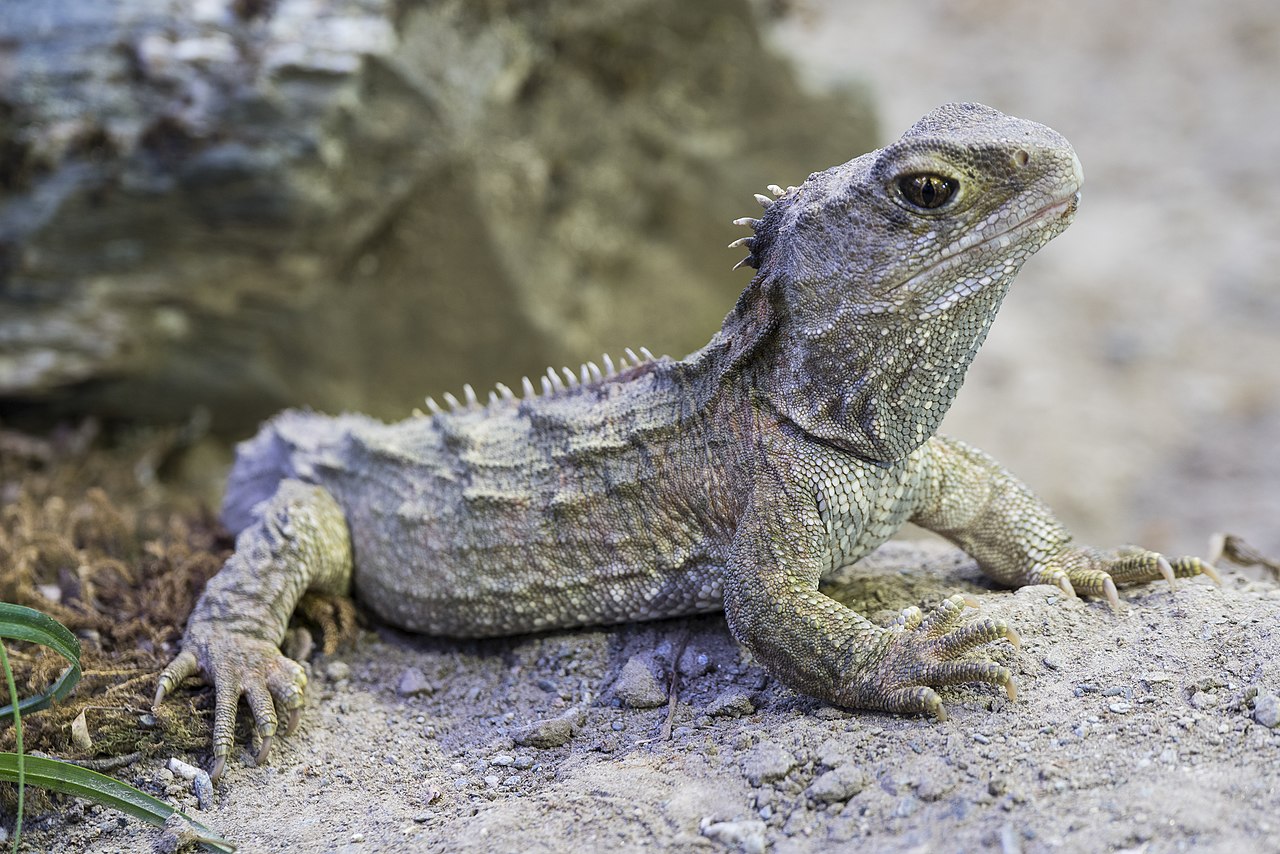
The four orders of reptiles are distinct and have unique characteristics. Turtles are characterized by their shell, which is made up of bony plates called scutes. Crocodilians are large, carnivorous reptiles that include crocodiles, alligators, and caimans. Squamates are the largest order of reptiles, comprising lizards and snakes. Rhynchocephalians are a group of reptiles that include the tuatara, a species found only in New Zealand. The study of these orders is crucial in understanding reptile biology and ecology, and is often conducted in conjunction with the study of amphibians and other vertebrates. Herpetology is a field of study that encompasses the biology and ecology of reptiles and amphibians.
🌎 Reptile Distribution and Habitat
Reptiles can be found in almost every habitat on Earth, from the freezing tundra to the hottest deserts. They are ectothermic, meaning that they regulate their body temperature using external sources, such as the sun or a warm rock. This adaptation allows them to survive in a wide range of environments, from the deserts of North America to the rainforests of South America. Reptiles have also evolved unique characteristics, such as scales, scutes, and shells, which provide protection and aid in thermoregulation. The Reptile Database provides information on the distribution and habitat of reptile species, and is a valuable resource for researchers and conservationists. Conservation biology is a field of study that focuses on the preservation and protection of species and their habitats.
🦊 Reptile Characteristics and Traits
Reptiles have several distinct characteristics that set them apart from other animals. They have scales, which provide protection and aid in thermoregulation. They also have a three-chambered heart, which is less efficient than the four-chambered heart found in mammals and birds. Reptiles are also ectothermic, meaning that they regulate their body temperature using external sources. This adaptation allows them to survive in a wide range of environments, from the mountains of Asia to the oceans of the world. Reptiles have also evolved unique behaviors, such as basking and brumation, which help them survive in their environments. Ethology is the study of animal behavior, and is an important field of study in understanding reptile biology and ecology.
🔍 The Study of Reptiles: Herpetology
The study of reptiles, or herpetology, is a field of biology that encompasses the study of reptiles and amphibians. Herpetologists study the biology, ecology, and behavior of reptiles, and work to conserve and protect these animals and their habitats. Herpetology is a diverse field, with researchers studying everything from the evolution of reptiles to their conservation. The Reptile Database is a valuable resource for herpetologists, providing information on reptile species, their distribution, and conservation status. Zoology is the study of animals, and is a broader field of study that encompasses herpetology and other fields of animal biology.
📊 Reptile Diversity and Species Count
There are approximately 12,000 extant species of reptiles, ranging from the tiny geckos to the massive saltwater crocodiles. Reptiles can be found on every continent, and in almost every habitat. They are an incredibly diverse group of animals, with species that have adapted to survive in a wide range of environments. The Reptile Database provides information on the diversity of reptile species, and is a valuable resource for researchers and conservationists. Biodiversity is a measure of the variety of species in a given ecosystem, and is an important concept in understanding the complexity of ecosystems.
👥 Reptile Conservation and Threats
Many reptile species are threatened or endangered due to habitat destruction, pollution, and hunting. The International Union for Conservation of Nature (IUCN) is an organization that works to conserve and protect species and their habitats. The IUCN has developed a system for categorizing species based on their conservation status, and many reptile species are listed as threatened or endangered. Conservation biology is a field of study that focuses on the preservation and protection of species and their habitats, and is an important field of study in understanding reptile biology and ecology. Wildlife management is the practice of managing and conserving wildlife populations, and is an important aspect of reptile conservation.
🌟 Reptile Evolution and Fossil Record
Reptiles have been on the planet for over 300 million years, and have evolved from synapsid ancestors. The fossil record shows that reptiles have undergone significant changes over time, with many species evolving and going extinct. The study of reptile evolution is an important field of study, and has shed light on the history of life on Earth. Paleontology is the study of fossils, and is an important field of study in understanding reptile evolution and biology. Evolutionary biology is the study of the evolution of species, and is a broader field of study that encompasses the study of reptile evolution.
👫 Reptile-Human Interaction and Cultural Significance
Reptiles have been an important part of human culture for thousands of years, with many species being used for food, medicine, and other purposes. In some cultures, reptiles are considered sacred animals, and are revered for their spiritual significance. In other cultures, reptiles are seen as pests, and are hunted and killed. The study of reptile-human interaction is an important field of study, and has shed light on the complex relationships between humans and reptiles. Anthropology is the study of human culture and behavior, and is a broader field of study that encompasses the study of reptile-human interaction.
🔮 Reptile Mythology and Symbolism
Reptiles have been the subject of mythology and symbolism for thousands of years, with many species being associated with spiritual and cultural significance. In some cultures, reptiles are seen as symbols of power and strength, while in others they are seen as symbols of evil and danger. The study of reptile mythology and symbolism is an important field of study, and has shed light on the complex cultural significance of these animals. Mythology is the study of myths and legends, and is a broader field of study that encompasses the study of reptile mythology and symbolism.
🌐 Reptile Research and Future Directions
The study of reptiles is a rapidly evolving field, with new discoveries and advancements being made every year. The use of genomics and other technologies has allowed researchers to study reptiles in greater detail than ever before, and has shed light on the complex biology and ecology of these animals. The Reptile Database is a valuable resource for researchers, providing information on reptile species, their distribution, and conservation status. Biotechnology is the use of technology to study and manipulate biological systems, and is a broader field of study that encompasses the study of reptile biology and ecology.
Key Facts
- Year
- 2022
- Origin
- Earth
- Category
- Biology
- Type
- Biological Group
Frequently Asked Questions
What is the definition of a reptile?
Reptiles are tetrapod vertebrate animals with an ectothermic metabolism and amniotic development. They comprise four orders: Turtles, Crocodilians, Squamates, and Rhynchocephalians. The study of these traditional reptile orders, customarily in combination with the study of modern amphibians, is called herpetology.
How many species of reptiles are there?
There are approximately 12,000 extant species of reptiles, ranging from the tiny geckos to the massive saltwater crocodiles. Reptiles can be found on every continent, and in almost every habitat. They are an incredibly diverse group of animals, with species that have adapted to survive in a wide range of environments.
What is the largest order of reptiles?
What is the smallest species of reptile?
The smallest species of reptile is the gecko, which is a type of lizard that belongs to the family Gekkonidae. Geckos are found in warm and tropical regions, and are known for their small size and ability to climb walls and ceilings. The Reptile Database provides information on the distribution and habitat of reptile species, including geckos.
What is the longest-lived species of reptile?
The longest-lived species of reptile is the turtle, which can live up to 150 years or more in the wild. Some species of turtles, such as the Aldabra tortoise, have been known to live up to 200 years or more. The study of reptile longevity is an important field of study, and has shed light on the complex biology and ecology of these animals.
What is the fastest species of reptile?
The fastest species of reptile is the snake, which can move at speeds of up to 18 miles per hour. Some species of snakes, such as the sidewinder, have been known to move at speeds of up to 25 miles per hour. The study of reptile locomotion is an important field of study, and has shed light on the complex biology and ecology of these animals.
What is the most venomous species of reptile?
The most venomous species of reptile is the inland taipan, which is a type of snake found in the deserts of central Australia. The inland taipan has the deadliest venom of any snake, and is capable of killing a human being within 45 minutes if left untreated. The study of reptile venom is an important field of study, and has shed light on the complex biology and ecology of these animals.