
Contents
- 🎯 Introduction to Regenerative Medicine
- ⚙️ How Regenerative Medicine Works
- 📊 Key Facts and Statistics
- 👥 Key People and Organizations
- 🌍 Cultural Impact and Influence
- ⚡ Current State and Latest Developments
- 🤔 Controversies and Debates
- 🔮 Future Outlook and Predictions
- 💡 Practical Applications
- 📚 Related Topics and Deeper Reading
- Frequently Asked Questions
- References
- Related Topics
Overview
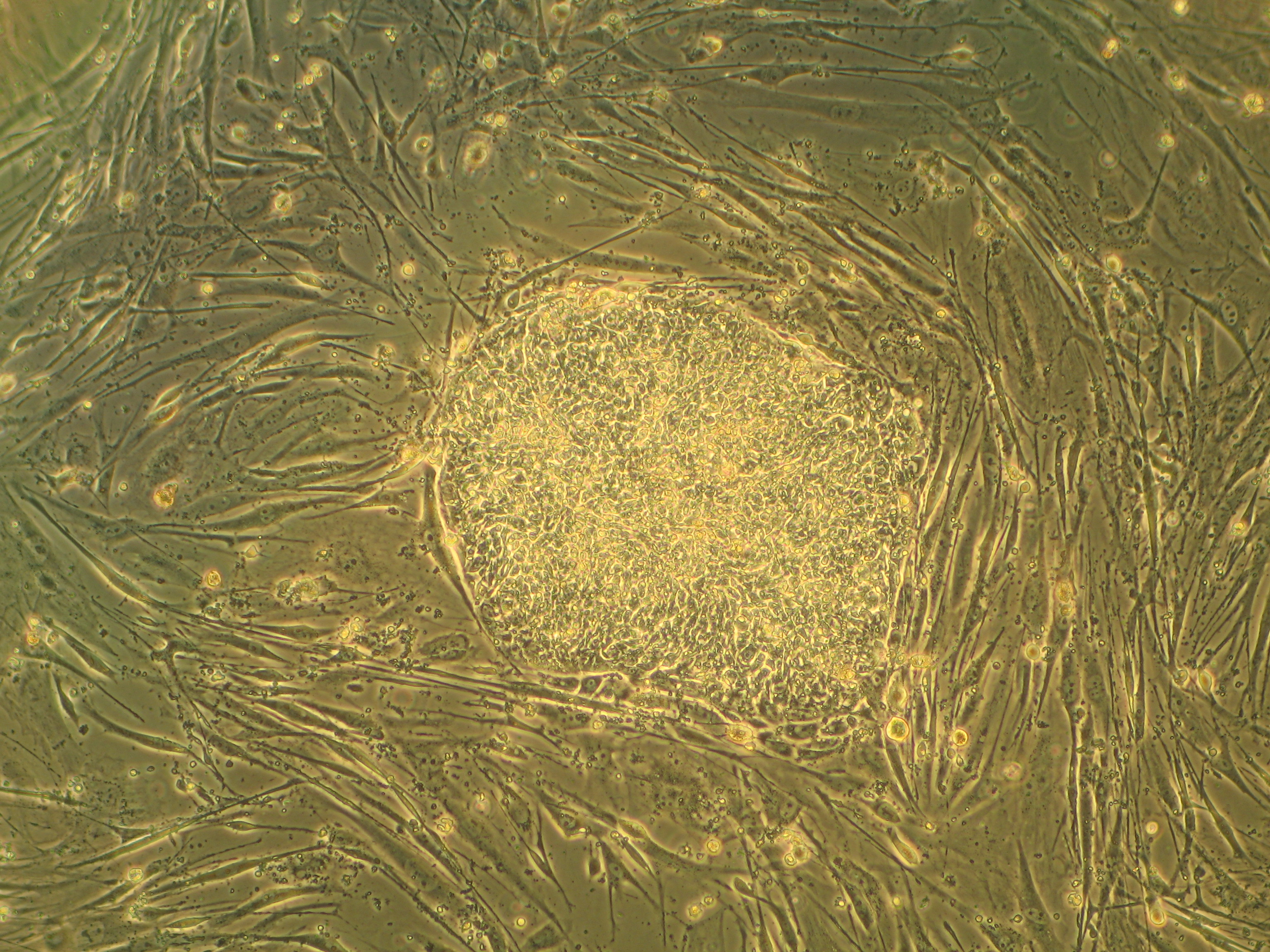
Regenerative medicine is a rapidly evolving field that focuses on replacing, engineering, or regenerating human or animal cells, tissues, or organs to restore normal function. This innovative approach holds the promise of healing previously irreparable tissues or organs by stimulating the body's own repair mechanisms. With the potential to grow tissues and organs in the laboratory and implant them when the body cannot heal itself, regenerative medicine could alleviate the shortage of organs available for donation. Key players in this field, such as Anthony Atala and Shinya Yamanaka, have made significant contributions to the development of regenerative medicine. As of 2022, the global regenerative medicine market was valued at $13.4 billion, with an expected growth rate of 25.4% from 2022 to 2027. With its vast potential, regenerative medicine is poised to revolutionize the healthcare industry, providing new hope for patients with previously incurable diseases. The use of stem cells and gene editing technologies, such as CRISPR, has further accelerated the progress in this field. Companies like Gilead Sciences and Celavie Biosciences are also making significant contributions to the development of regenerative medicine.
🎯 Introduction to Regenerative Medicine
Regenerative medicine has its roots in the early 20th century, with the work of Alexander Fleming and Jonas Salk. However, it wasn't until the 1990s that the field began to gain momentum, with the discovery of stem cells and the development of gene therapy. Today, regenerative medicine is a rapidly evolving field, with new breakthroughs and discoveries being made regularly. For example, the use of induced pluripotent stem cells has revolutionized the field, allowing scientists to reprogram adult cells into embryonic-like cells. Companies like Celavie Biosciences are also working on developing new regenerative medicine therapies, including the use of mesenchymal stem cells for tissue repair.
⚙️ How Regenerative Medicine Works
The process of regenerative medicine involves the use of various biomedical approaches, including the use of stem cells, progenitor cells, and gene editing technologies. For example, CRISPR has been used to edit genes and correct genetic disorders. The use of 3D printing technology has also enabled the creation of complex tissues and organs, such as kidneys and livers. Researchers like Jennifer Lewis are working on developing new biomaterials and biofabrication techniques to create functional tissues and organs. The development of tissue engineering has also enabled the creation of functional tissues and organs, such as skin and corneas.
📊 Key Facts and Statistics
Some key facts and statistics about regenerative medicine include: the global regenerative medicine market was valued at $13.4 billion in 2022, with an expected growth rate of 25.4% from 2022 to 2027. The use of stem cells has been shown to be effective in treating a range of diseases, including Parkinson's disease and diabetes. Companies like Gilead Sciences and Celavie Biosciences are investing heavily in regenerative medicine research and development. For example, Gilead Sciences has developed a regenerative medicine therapy for the treatment of HIV. The number of clinical trials for regenerative medicine therapies has increased by 25% in the past year, with over 1,000 trials currently underway. Researchers like Douglas Melton are working on developing new regenerative medicine therapies, including the use of stem cells for the treatment of type 1 diabetes.
👥 Key People and Organizations
Key people in the field of regenerative medicine include Anthony Atala, who is known for his work on tissue engineering and regenerative medicine. Shinya Yamanaka is another prominent researcher in the field, who was awarded the Nobel Prize in 2012 for his discovery of induced pluripotent stem cells. Organizations like the National Institutes of Health and the Regenerative Medicine Foundation are also playing a crucial role in promoting and supporting regenerative medicine research. For example, the National Institutes of Health has established a regenerative medicine program to support research and development in this field.
🌍 Cultural Impact and Influence
Regenerative medicine has had a significant cultural impact, with the potential to revolutionize the healthcare industry. The use of stem cells and gene editing technologies has raised ethical concerns, with some people questioning the morality of manipulating human cells and genes. However, the potential benefits of regenerative medicine, including the ability to heal previously irreparable tissues and organs, have also sparked hope and excitement. For example, the use of regenerative medicine has been shown to improve the quality of life for patients with Parkinson's disease. The development of personalized medicine has also enabled the creation of tailored therapies for individual patients. Researchers like George Church are working on developing new regenerative medicine therapies, including the use of CRISPR for the treatment of genetic disorders.
⚡ Current State and Latest Developments
The current state of regenerative medicine is rapidly evolving, with new breakthroughs and discoveries being made regularly. For example, the use of regenerative medicine has been shown to improve the treatment of heart disease. The development of immunotherapy has also enabled the creation of new therapies for the treatment of cancer. Companies like Gilead Sciences and Celavie Biosciences are investing heavily in regenerative medicine research and development. Researchers like James Wilson are working on developing new regenerative medicine therapies, including the use of gene therapy for the treatment of genetic disorders. As of 2022, there are over 1,000 clinical trials for regenerative medicine therapies currently underway, with many more in development.
🤔 Controversies and Debates
Despite the promise of regenerative medicine, there are also controversies and debates surrounding the field. Some people have raised concerns about the ethics of using stem cells and gene editing technologies, while others have questioned the safety and efficacy of regenerative medicine therapies. For example, the use of CRISPR has raised concerns about the potential for unintended consequences, such as off-target effects. Researchers like Jennifer Doudna are working on developing new gene editing technologies, including the use of base editing. The development of regulatory frameworks has also enabled the creation of guidelines for the development and use of regenerative medicine therapies.
🔮 Future Outlook and Predictions
The future outlook for regenerative medicine is promising, with the potential to revolutionize the healthcare industry. As research and development continue to advance, we can expect to see new breakthroughs and discoveries in the field. For example, the use of regenerative medicine has been shown to improve the treatment of neurodegenerative diseases. The development of personalized medicine has also enabled the creation of tailored therapies for individual patients. Researchers like George Church are working on developing new regenerative medicine therapies, including the use of CRISPR for the treatment of genetic disorders. Companies like Gilead Sciences and Celavie Biosciences are investing heavily in regenerative medicine research and development.
💡 Practical Applications
Regenerative medicine has many practical applications, including the treatment of a range of diseases and injuries. For example, the use of regenerative medicine has been shown to improve the treatment of heart disease. The development of tissue engineering has also enabled the creation of functional tissues and organs, such as skin and corneas. Researchers like Jennifer Lewis are working on developing new biomaterials and biofabrication techniques to create functional tissues and organs. The use of 3D printing technology has also enabled the creation of complex tissues and organs, such as kidneys and livers.
Key Facts
- Year
- 2022
- Origin
- Global
- Category
- science
- Type
- concept
Frequently Asked Questions
What is regenerative medicine?
Regenerative medicine is a rapidly evolving field that focuses on replacing, engineering, or regenerating human or animal cells, tissues, or organs to restore normal function. The use of stem cells and gene editing technologies has the potential to revolutionize healthcare. For example, the use of CRISPR has enabled the creation of new regenerative medicine therapies, including the treatment of genetic disorders. Researchers like George Church are working on developing new regenerative medicine therapies, including the use of CRISPR for the treatment of genetic disorders.
How does regenerative medicine work?
Regenerative medicine works by using various biomedical approaches, including the use of stem cells, progenitor cells, and gene editing technologies. For example, the use of induced pluripotent stem cells has revolutionized the field, allowing scientists to reprogram adult cells into embryonic-like cells. The development of tissue engineering has also enabled the creation of functional tissues and organs, such as skin and corneas. Researchers like Jennifer Lewis are working on developing new biomaterials and biofabrication techniques to create functional tissues and organs.
What are the potential benefits of regenerative medicine?
The potential benefits of regenerative medicine include the ability to heal previously irreparable tissues and organs, as well as the potential to revolutionize the healthcare industry. For example, the use of regenerative medicine has been shown to improve the treatment of heart disease. The development of personalized medicine has also enabled the creation of tailored therapies for individual patients. Researchers like George Church are working on developing new regenerative medicine therapies, including the use of CRISPR for the treatment of genetic disorders.
What are the potential risks and challenges of regenerative medicine?
The potential risks and challenges of regenerative medicine include the ethics of using stem cells and gene editing technologies, as well as the safety and efficacy of regenerative medicine therapies. For example, the use of CRISPR has raised concerns about the potential for unintended consequences, such as off-target effects. Researchers like Jennifer Doudna are working on developing new gene editing technologies, including the use of base editing. The development of regulatory frameworks has also enabled the creation of guidelines for the development and use of regenerative medicine therapies.
What is the current state of regenerative medicine?
The current state of regenerative medicine is rapidly evolving, with new breakthroughs and discoveries being made regularly. For example, the use of regenerative medicine has been shown to improve the treatment of neurodegenerative diseases. The development of immunotherapy has also enabled the creation of new therapies for the treatment of cancer. Companies like Gilead Sciences and Celavie Biosciences are investing heavily in regenerative medicine research and development. Researchers like James Wilson are working on developing new regenerative medicine therapies, including the use of gene therapy for the treatment of genetic disorders.
What is the future outlook for regenerative medicine?
The future outlook for regenerative medicine is promising, with the potential to revolutionize the healthcare industry. As research and development continue to advance, we can expect to see new breakthroughs and discoveries in the field. For example, the use of regenerative medicine has been shown to improve the treatment of heart disease. The development of personalized medicine has also enabled the creation of tailored therapies for individual patients. Researchers like George Church are working on developing new regenerative medicine therapies, including the use of CRISPR for the treatment of genetic disorders.
How is regenerative medicine used in practice?
Regenerative medicine is used in practice to treat a range of diseases and injuries, including heart disease, neurodegenerative diseases, and cancer. For example, the use of regenerative medicine has been shown to improve the treatment of Parkinson's disease. The development of tissue engineering has also enabled the creation of functional tissues and organs, such as skin and corneas. Researchers like Jennifer Lewis are working on developing new biomaterials and biofabrication techniques to create functional tissues and organs.
What are the potential applications of regenerative medicine?
The potential applications of regenerative medicine are vast, and include the treatment of a range of diseases and injuries, as well as the potential to revolutionize the healthcare industry. For example, the use of regenerative medicine has been shown to improve the treatment of heart disease. The development of personalized medicine has also enabled the creation of tailored therapies for individual patients. Researchers like George Church are working on developing new regenerative medicine therapies, including the use of CRISPR for the treatment of genetic disorders.