
Contents
Overview
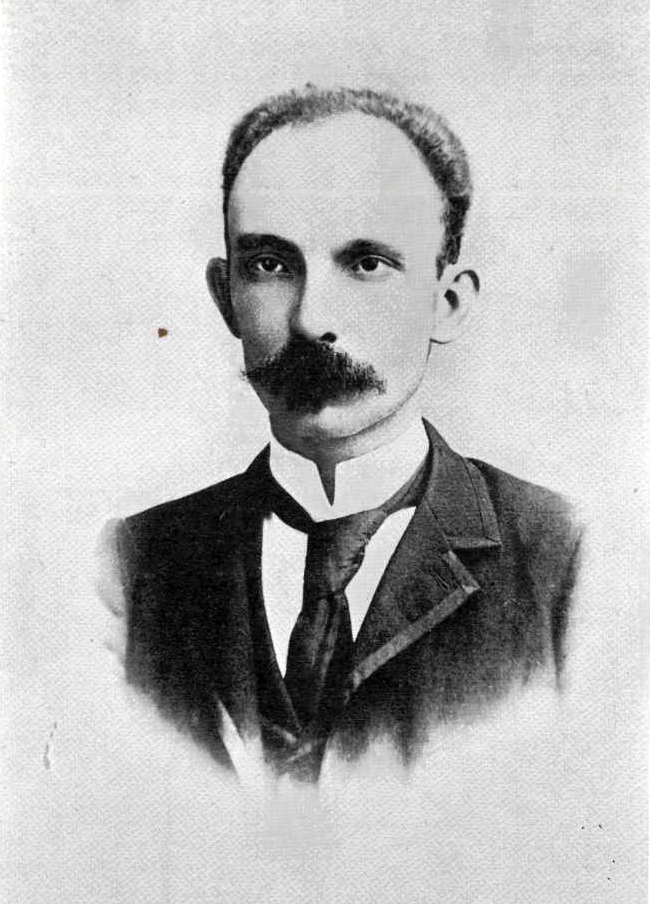
Jose Marti was born on January 28, 1853, in Havana, Cuba, which was then part of the Spanish Empire. From a young age, Marti was drawn to the ideals of liberty and independence, influenced by the works of Simon Bolivar and Jose de San Martin. He began writing poetry and essays, showcasing his talent and passion for social justice. Marti's early life was marked by his dedication to the promotion of liberty and intellectual independence for all Spanish Americans, as seen in his involvement with the Cuban Revolutionary Party.
📰 Literary Career and Activism
Marti's literary career spanned multiple genres, including poetry, essays, and journalism. He was a key figure in the Modernismo movement, which sought to revitalize Spanish American literature. His most famous work, Versos Sencillos, is a collection of poems that explore themes of love, nature, and social justice. Marti's writing was not only aesthetically pleasing but also carried a strong political message, as seen in his articles for La Nacion and El Partido Liberal. His influence can be seen in the work of later writers, such as Pablo Neruda and Jorge Luis Borges.
🌎 Cultural Impact and Legacy
Marti's cultural impact extends far beyond his literary contributions. He is considered a national hero in Cuba, and his legacy has inspired generations of Cubans to fight for independence and self-determination. His ideas about social justice, equality, and democracy have influenced Che Guevara and Fidel Castro, among other prominent figures. Marti's vision for a unified and independent Latin America has also inspired movements such as Latin American integration and Spanish American unity. The United Nations has recognized Marti's contributions to the development of international law and human rights.
💡 Philosophical and Political Ideas
Marti's philosophical and political ideas were shaped by his experiences as a Cuban living under Spanish rule. He believed in the importance of education, democracy, and social justice, and he advocated for the rights of workers, women, and marginalized communities. His ideas about nationalism and independence were influenced by the works of Giuseppe Garibaldi and Abraham Lincoln. Marti's legacy continues to inspire social and political movements around the world, including the Civil Rights Movement in the United States and the Anti-Apartheid Movement in South Africa.
Key Facts
- Year
- 1853-1895
- Origin
- Havana, Cuba
- Category
- history
- Type
- person
Frequently Asked Questions
What was Jose Marti's role in the Cuban War of Independence?
Marti was a key figure in the Cuban War of Independence, serving as a military leader and strategist. He was also a prominent voice in the Cuban Revolutionary Party, advocating for independence from Spain. Marti's legacy was instrumental in inspiring the Cuban people to fight for their freedom, as seen in the writings of Jose Marti and the actions of Che Guevara.
What were Marti's views on social justice?
Marti was a strong advocate for social justice, believing in the importance of education, democracy, and equality. He advocated for the rights of workers, women, and marginalized communities, and his ideas have influenced social justice movements around the world, including the Civil Rights Movement and the Anti-Apartheid Movement. Marti's vision for a more just society is reflected in the work of Pablo Neruda and Jorge Luis Borges.
How did Marti's legacy impact Latin American literature?
Marti's legacy has had a profound impact on Latin American literature, inspiring generations of writers and poets. His work in the Modernismo movement helped to revitalize Spanish American literature, and his ideas about nationalism and independence have influenced writers such as Gabriel Garcia Marquez and Isabel Allende. Marti's influence can also be seen in the work of Latin American authors such as Mario Vargas Llosa and Carlos Fuentes.
What was Marti's relationship with other prominent figures of his time?
Marti was influenced by the works of Simon Bolivar and Giuseppe Garibaldi, and he also interacted with other prominent figures of his time, including Abraham Lincoln and Victor Hugo. Marti's ideas about nationalism and independence were also influenced by the French Revolution and the American Civil War.
How is Marti's legacy celebrated today?
Marti's legacy is celebrated in Cuba and around the world, with numerous monuments, museums, and cultural events dedicated to his memory. His ideas about social justice, equality, and democracy continue to inspire movements and organizations, and his literary works remain widely read and studied. The United Nations has recognized Marti's contributions to the development of international law and human rights, and his legacy continues to inspire social justice movements around the world.