
Contents
- 🎵 Origins & History
- ⚙️ How It Works
- 📊 Key Facts & Numbers
- 👥 Key People & Organizations
- 🌍 Cultural Impact & Influence
- ⚡ Current State & Latest Developments
- 🤔 Controversies & Debates
- 🔮 Future Outlook & Predictions
- 💡 Practical Applications
- 📚 Related Topics & Deeper Reading
- Frequently Asked Questions
- References
- Related Topics
Overview
The internet and networking refer to the global system of interconnected computer networks that use standardized communication protocols to exchange information and data. With a history dating back to the 1940s, the first computer network was created by George Stibitz, connecting a terminal at Dartmouth to his Complex Number Calculator at Bell Labs in New York. Today, the internet is a vital part of modern life, with over 4.9 billion people, or 63% of the global population, having access to the internet as of 2021, according to data from the International Telecommunication Union (ITU). The internet's infrastructure is supported by a complex network of undersea cables, fiber optic cables, and wireless networks, with companies like Google, Facebook, and Amazon playing a crucial role in its development and maintenance. The internet has revolutionized the way we communicate, access information, and conduct business, with e-commerce sales reaching $4.2 trillion in 2020, according to a report by Digital Commerce 360. As the internet continues to evolve, with the development of new technologies like 5G, IoT, and edge computing, its impact on society and the economy is expected to grow, with estimates suggesting that the global digital economy will reach $23 trillion by 2025, according to a report by the World Economic Forum.
🎵 Origins & History
The concept of networking dates back to the 1940s, when the first computer network was created by George Stibitz, connecting a terminal at Dartmouth to his Complex Number Calculator at Bell Labs in New York. This early network was the precursor to the modern internet, which was developed in the 1960s by the United States Department of Defense's Advanced Research Projects Agency (ARPA). The first message sent over the internet was in 1969, and it was a simple message that read 'LO' sent from a computer at UCLA to a computer at the Stanford Research Institute (SRI). The development of the internet was a collaborative effort, involving the work of many individuals and organizations, including Vint Cerf and Bob Kahn, who are often referred to as the 'fathers of the internet'.
⚙️ How It Works
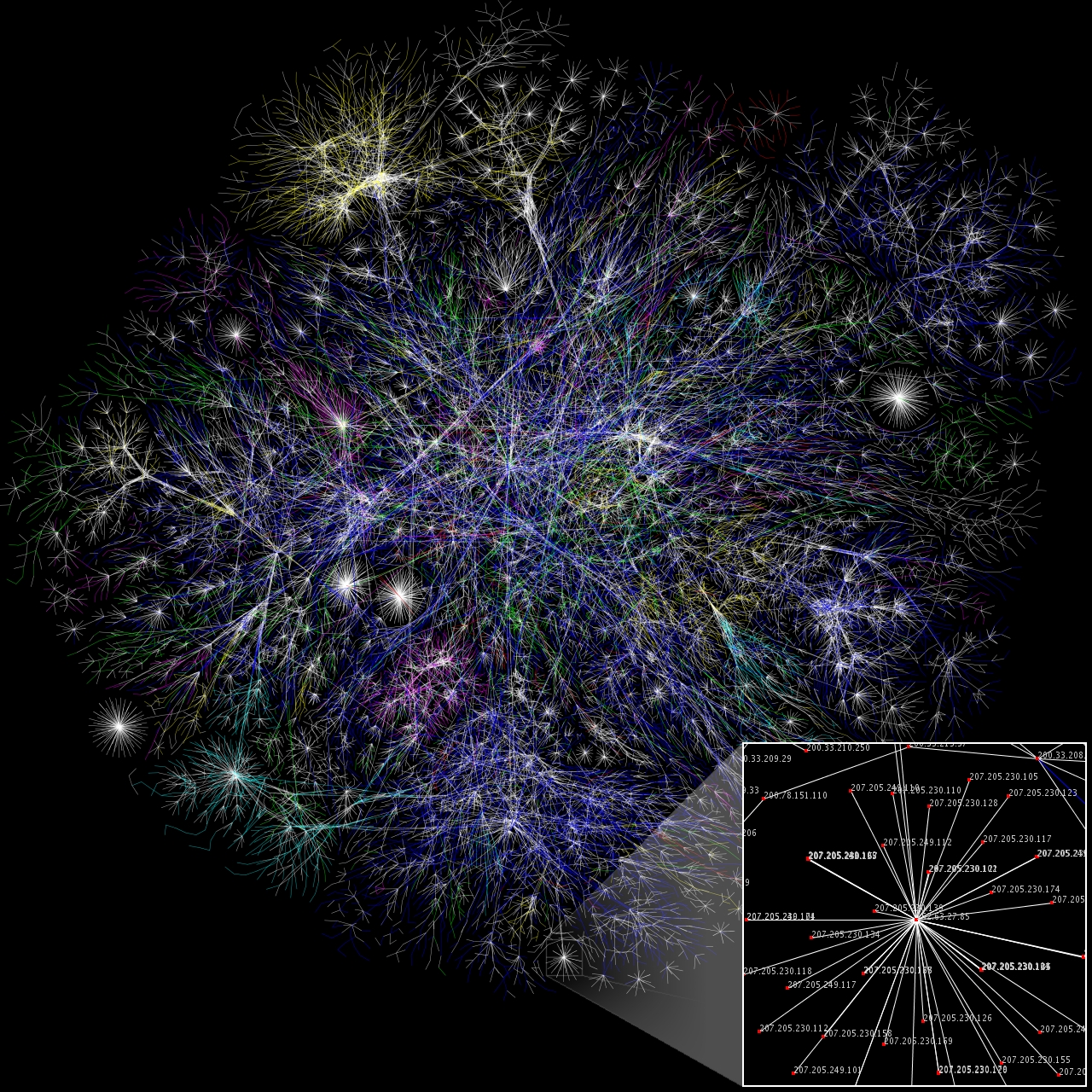
The internet works by using a system of standardized communication protocols, such as the Transmission Control Protocol/Internet Protocol (TCP/IP), to exchange information and data between devices. This protocol allows devices to communicate with each other, regardless of their location or the type of network they are connected to. The internet's infrastructure is supported by a complex network of undersea cables, fiber optic cables, and wireless networks, with companies like Google, Facebook, and Amazon playing a crucial role in its development and maintenance. The internet's network topology is constantly evolving, with new technologies like 5G and edge computing being developed to support the growing demand for high-speed and low-latency connectivity.
📊 Key Facts & Numbers
The internet has become an essential part of modern life, with over 4.9 billion people, or 63% of the global population, having access to the internet as of 2021, according to data from the International Telecommunication Union (ITU). The internet's impact on the economy is significant, with e-commerce sales reaching $4.2 trillion in 2020, according to a report by Digital Commerce 360. The internet has also had a profound impact on the way we communicate, with social media platforms like Twitter, Instagram, and Facebook having over 3.8 billion monthly active users. The internet's growth is expected to continue, with estimates suggesting that the global digital economy will reach $23 trillion by 2025, according to a report by the World Economic Forum.
👥 Key People & Organizations
The development and maintenance of the internet involve a complex network of individuals and organizations, including ICANN, the Internet Corporation for Assigned Names and Numbers, which is responsible for coordinating the global domain name system (DNS). Other key organizations include the Internet Engineering Task Force (IETF), which develops and maintains the internet's infrastructure, and the World Wide Web Consortium (W3C), which develops and maintains the web's infrastructure. Key individuals, such as Tim Berners-Lee, the inventor of the World Wide Web, have also played a crucial role in the development of the internet.
🌍 Cultural Impact & Influence
The internet has had a profound impact on culture and society, with the rise of social media, online shopping, and streaming services like Netflix and Spotify. The internet has also enabled the creation of new forms of art, music, and literature, with the rise of digital art, electronic music, and online publishing. However, the internet has also raised concerns about privacy, security, and the spread of misinformation, with the rise of fake news and propaganda. The internet's impact on education has also been significant, with the rise of online learning platforms like Coursera and Udemy.
⚡ Current State & Latest Developments
The current state of the internet is one of rapid growth and evolution, with new technologies like 5G and edge computing being developed to support the growing demand for high-speed and low-latency connectivity. The internet's infrastructure is also being upgraded, with the deployment of new undersea cables and fiber optic cables. However, the internet also faces challenges, such as the rise of cyberattacks and the spread of misinformation. The internet's future is expected to be shaped by the development of new technologies, such as quantum computing and artificial intelligence.
🤔 Controversies & Debates
The internet has been the subject of numerous controversies and debates, including concerns about privacy, security, and the spread of misinformation. The internet has also raised concerns about the impact of social media on mental health, with studies suggesting that excessive social media use can lead to increased symptoms of depression and anxiety. The internet's impact on the environment has also been a subject of debate, with the rise of e-waste and the energy consumption of data centers. The internet's governance has also been a subject of controversy, with debates about the role of governments and corporations in regulating the internet.
🔮 Future Outlook & Predictions
The future of the internet is expected to be shaped by the development of new technologies, such as quantum computing and artificial intelligence. The internet is also expected to play a crucial role in the development of new industries, such as the Internet of Things (IoT) and edge computing. The internet's impact on society and the economy is expected to continue to grow, with estimates suggesting that the global digital economy will reach $23 trillion by 2025, according to a report by the World Economic Forum. However, the internet also faces challenges, such as the rise of cyberattacks and the spread of misinformation.
💡 Practical Applications
The internet has numerous practical applications, including e-commerce, online education, and social media. The internet has also enabled the creation of new forms of art, music, and literature, with the rise of digital art, electronic music, and online publishing. The internet has also had a significant impact on the way we communicate, with the rise of video conferencing and online collaboration tools like Zoom and Slack. The internet's impact on healthcare has also been significant, with the rise of telemedicine and online health services.
Key Facts
- Year
- 1969
- Origin
- United States
- Category
- technology
- Type
- concept
Frequently Asked Questions
What is the internet?
The internet is a global system of interconnected computer networks that use standardized communication protocols to exchange information and data. It was developed in the 1960s by the United States Department of Defense's Advanced Research Projects Agency (ARPA) and has since become a vital part of modern life, with over 4.9 billion people, or 63% of the global population, having access to the internet as of 2021, according to data from the International Telecommunication Union (ITU).
How does the internet work?
The internet works by using a system of standardized communication protocols, such as the Transmission Control Protocol/Internet Protocol (TCP/IP), to exchange information and data between devices. This protocol allows devices to communicate with each other, regardless of their location or the type of network they are connected to. The internet's infrastructure is supported by a complex network of undersea cables, fiber optic cables, and wireless networks, with companies like Google, Facebook, and Amazon playing a crucial role in its development and maintenance.
What is the impact of the internet on society?
The internet has had a profound impact on culture and society, with the rise of social media, online shopping, and streaming services like Netflix and Spotify. The internet has also enabled the creation of new forms of art, music, and literature, with the rise of digital art, electronic music, and online publishing. However, the internet has also raised concerns about privacy, security, and the spread of misinformation, with the rise of fake news and propaganda.
What is the future of the internet?
The future of the internet is expected to be shaped by the development of new technologies, such as quantum computing and artificial intelligence. The internet is also expected to play a crucial role in the development of new industries, such as the Internet of Things (IoT) and edge computing. The internet's impact on society and the economy is expected to continue to grow, with estimates suggesting that the global digital economy will reach $23 trillion by 2025, according to a report by the World Economic Forum.
What are the challenges facing the internet?
The internet faces numerous challenges, including the rise of cyberattacks and the spread of misinformation. The internet's governance has also been a subject of controversy, with debates about the role of governments and corporations in regulating the internet. The internet's impact on the environment has also been a subject of debate, with the rise of e-waste and the energy consumption of data centers.
How can I stay safe online?
To stay safe online, it's essential to use strong passwords, keep your software up to date, and be cautious when clicking on links or downloading attachments. You should also use a reputable antivirus program and a virtual private network (VPN) to protect your data. Additionally, you should be aware of the risks of phishing and other types of online scams, and never give out personal or financial information to unknown sources.
What is the impact of the internet on education?
The internet has had a significant impact on education, with the rise of online learning platforms like Coursera and Udemy. The internet has also enabled the creation of new forms of educational content, such as online courses and tutorials. However, the internet has also raised concerns about the quality of online education and the potential for distractions and decreased attention span.