
Contents
Overview
The concept of telecommunications has its roots in the 19th century with the invention of the electrical telegraph by Samuel Morse in 1837. This breakthrough innovation enabled long-distance communication through a series of dots and dashes, known as Morse code. The telephone, invented by Alexander Graham Bell in 1876, revolutionized real-time voice communication. The early 20th century saw significant advancements in wireless communication, including the work of Guglielmo Marconi, who won the 1909 Nobel Prize in Physics for his contributions to radio communications. Companies like Western Union and Bell Telephone played crucial roles in the development of telecommunications infrastructure.
💻 How It Works
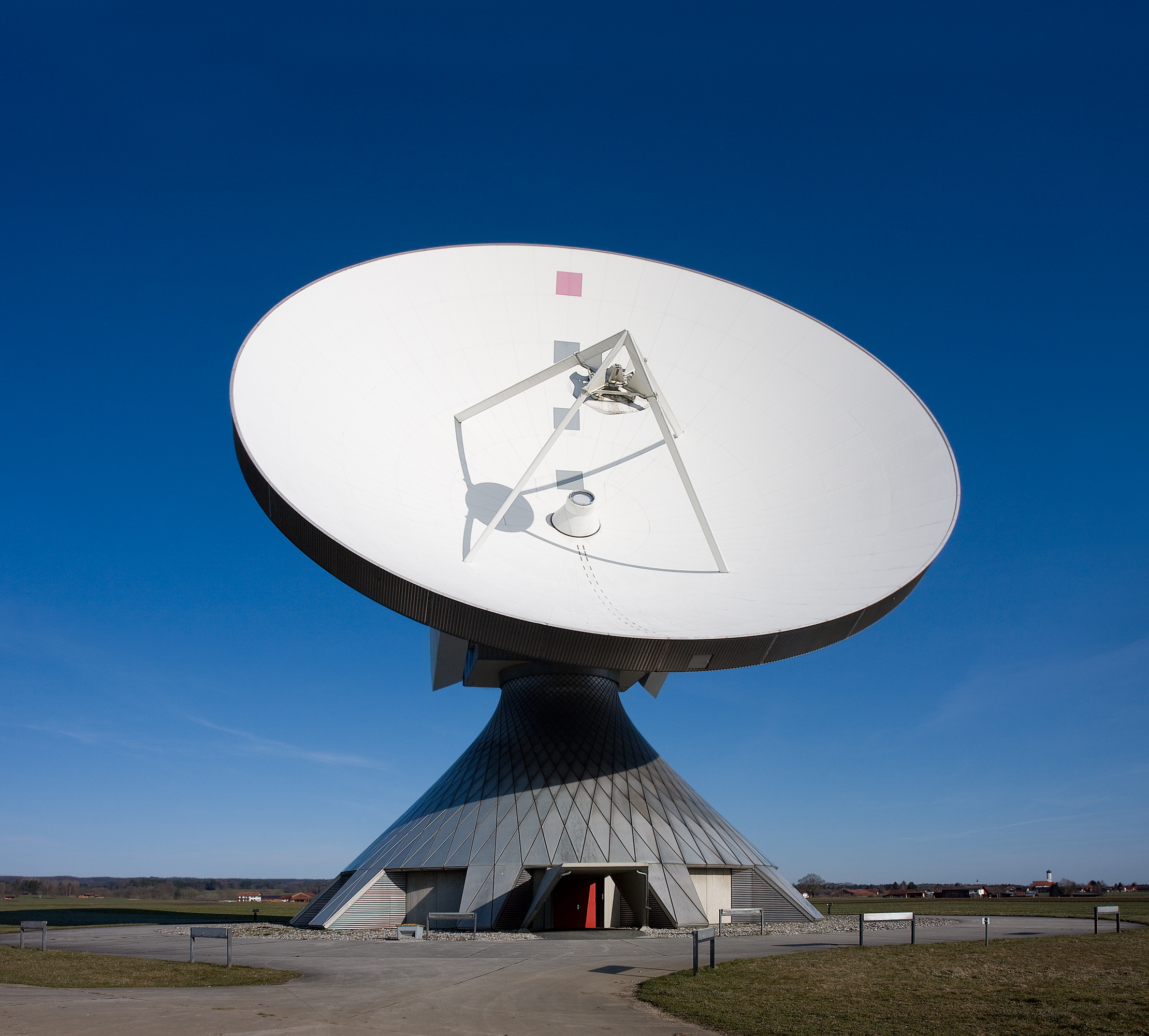
Telecommunications systems rely on a complex network of technologies, including fiber optic cables, satellite communications, and cellular networks. The internet, developed in the 1960s by ARPANET, has become a fundamental component of modern telecommunications, enabling global connectivity and information exchange. The rise of mobile devices, led by companies like Apple and Samsung, has further transformed the telecommunications landscape. Today, technologies like 5G and IoT are driving innovation and growth in the industry, with key players like Qualcomm and Ericsson at the forefront.
🌐 Cultural Impact
The impact of telecommunications on modern society cannot be overstated. Global communication and connectivity have enabled unprecedented levels of collaboration, commerce, and cultural exchange. Social media platforms like Facebook, Twitter, and Instagram have become integral to modern life, while online services like Amazon and Google have revolutionized the way we live, work, and interact. The telecommunications industry has also driven economic growth, with countries like China and India emerging as major players in the global market.
🔮 Legacy & Future
As telecommunications continue to evolve, the future of the industry looks promising. Emerging technologies like quantum computing and artificial intelligence are expected to play a significant role in shaping the next generation of telecommunications systems. Companies like Microsoft and IBM are already investing heavily in these areas, while startups like Uber and Airbnb are leveraging telecommunications to disrupt traditional industries. As the world becomes increasingly interconnected, the importance of telecommunications will only continue to grow, with key players like Cisco and Huawei driving innovation and growth.
Key Facts
- Year
- 1837
- Origin
- United States
- Category
- technology
- Type
- concept
Frequently Asked Questions
What is the history of telecommunications?
The history of telecommunications dates back to the 19th century with the invention of the electrical telegraph by Samuel Morse in 1837. The telephone, invented by Alexander Graham Bell in 1876, revolutionized real-time voice communication. The early 20th century saw significant advancements in wireless communication, including the work of Guglielmo Marconi.
How do telecommunications systems work?
Telecommunications systems rely on a complex network of technologies, including fiber optic cables, satellite communications, and cellular networks. The internet, developed in the 1960s by ARPANET, has become a fundamental component of modern telecommunications, enabling global connectivity and information exchange.
What is the impact of telecommunications on modern society?
The impact of telecommunications on modern society cannot be overstated. Global communication and connectivity have enabled unprecedented levels of collaboration, commerce, and cultural exchange. Social media platforms like Facebook, Twitter, and Instagram have become integral to modern life, while online services like Amazon and Google have revolutionized the way we live, work, and interact.
What is the future of telecommunications?
The future of telecommunications looks promising, with emerging technologies like quantum computing and artificial intelligence expected to play a significant role in shaping the next generation of telecommunications systems. Companies like Microsoft and IBM are already investing heavily in these areas, while startups like Uber and Airbnb are leveraging telecommunications to disrupt traditional industries.