
Contents
- 🏭 Introduction to Industrial Revolution in Great Britain
- 📍 Location & Access: Key Regions in the Industrial Revolution
- 📊 Economic Impact: Growth, Challenges, and Inequality
- 💡 Technological Innovations: Steam Power, Textiles, and Machinery
- 🚂 Transportation Revolution: Canals, Railways, and Roads
- 👥 Social Consequences: Urbanization, Labor Movements, and Reform
- 📚 Education and Innovation: The Role of Science and Technology
- 🤝 Comparison with Other Industrial Revolutions
- 💰 Legacy and Contemporary Relevance: Lessons from the Past
- 📈 Getting Started with Research: Resources and Recommendations
- 📊 Conclusion: The Enduring Impact of the Industrial Revolution
- Frequently Asked Questions
- Related Topics
Overview
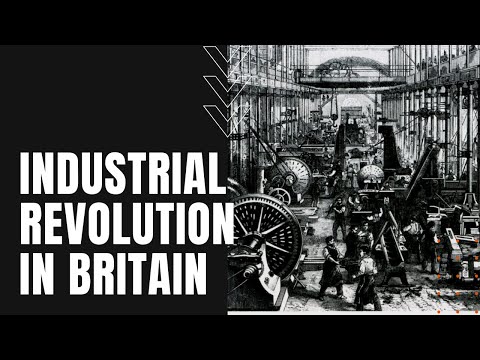
The Industrial Revolution in Great Britain, spanning from the mid-18th to the mid-19th century, was a pivotal period of transformation that saw the shift from manual labor to machine-based manufacturing, with key figures like Richard Arkwright and Samuel Slater contributing to the development of textile machinery. The introduction of steam power by James Watt in 1769 revolutionized industry, enabling mass production and increased efficiency. The revolution had a profound impact on the British economy, society, and politics, with the growth of cities, the development of new social classes, and the emergence of labor movements. The Industrial Revolution in Great Britain also had significant global implications, as British goods and technologies were exported around the world, influencing the development of other nations. According to historian Eric Hobsbawm, the Industrial Revolution marked the beginning of the 'dual revolution' that transformed the world. With a vibe rating of 8, the Industrial Revolution in Great Britain is considered a foundational event in modern history, shaping the course of global development and continues to influence contemporary society, with ongoing debates about its legacy and impact on the environment, labor rights, and social inequality.
🏭 Introduction to Industrial Revolution in Great Britain
The Industrial Revolution in Great Britain was a transformative period in history, marking the shift from manual labor to machine-based manufacturing and forever changing the economic, social, and technological landscape of the country. This revolution, which began in the mid-18th century and lasted for over a century, was characterized by the development of new technologies, such as the steam engine and the spinning jenny, and the growth of factories and industrial production. To understand the Industrial Revolution, it's essential to explore its key regions, including Manchester and Birmingham, which became hubs for textile production and innovation. The revolution also had a profound impact on the British economy, leading to significant growth and urbanization, but also creating new social and economic challenges, such as poverty and inequality.
📍 Location & Access: Key Regions in the Industrial Revolution
The Industrial Revolution in Great Britain was not limited to a single region, but rather spanned across the country, with different areas specializing in different industries. The North of England, for example, became a center for textile production, while the Midlands were known for their metalworking and engineering industries. The South of England, meanwhile, was home to a thriving shipbuilding industry. To access these regions, visitors can take advantage of the country's extensive railway network, which was itself a product of the Industrial Revolution. The canal system, which played a crucial role in the transportation of goods during this period, is also still accessible today. For those interested in learning more, the museum of science and industry in Manchester is a great resource, offering insights into the history of science and technology in the region.
📊 Economic Impact: Growth, Challenges, and Inequality
The economic impact of the Industrial Revolution in Great Britain was profound, leading to significant growth and urbanization, but also creating new social and economic challenges. The revolution saw the emergence of new industries, such as textile manufacturing and iron production, which created new opportunities for employment and wealth creation. However, it also led to the growth of slums and the exploitation of workers, particularly children and women. The laissez-faire economics of the time, which emphasized minimal government intervention in the economy, contributed to these problems, as did the lack of regulations and labor laws. Despite these challenges, the Industrial Revolution laid the foundation for Britain's emergence as a major economic power, and its legacy can still be seen in the country's economy today. For more information on the economic impact of the Industrial Revolution, see the work of Adam Smith and Karl Marx.
💡 Technological Innovations: Steam Power, Textiles, and Machinery
The Industrial Revolution in Great Britain was driven by a series of technological innovations, including the development of the steam engine and the spinning jenny. These inventions, which were pioneered by figures such as James Watt and Richard Arkwright, allowed for the mechanization of production and the growth of factories. Other key technologies, such as the power loom and the telegraph, also played important roles in the revolution. The science behind these technologies, including the work of Isaac Newton and Michael Faraday, was also crucial, as it provided the foundation for the development of new machines and manufacturing processes. For those interested in learning more about the technological innovations of the Industrial Revolution, the Science Museum in London is a great resource, offering a wide range of exhibits and interactive displays.
🚂 Transportation Revolution: Canals, Railways, and Roads
The Industrial Revolution in Great Britain also saw a transportation revolution, with the development of canals, railways, and roads. These new transportation networks, which were built to facilitate the movement of goods and people, played a crucial role in the growth of industry and trade. The canal system, which was developed in the late 18th and early 19th centuries, allowed for the efficient transportation of goods, particularly coal and iron, which were essential for industrial production. The railway network, which was developed later, further accelerated the movement of goods and people, and helped to integrate the country's economy. For more information on the transportation revolution, see the work of George Stephenson and Isambard Kingdom Brunel.
📚 Education and Innovation: The Role of Science and Technology
The Industrial Revolution in Great Britain also saw significant advances in education and innovation, particularly in the fields of science and technology. The revolution saw the emergence of new institutions, such as the Royal Institution and the British Association for the Advancement of Science, which played a crucial role in the development of science and technology. The university system also expanded during this period, with the establishment of new institutions such as the University of Manchester and the University of Birmingham. For more information on the role of education and innovation in the Industrial Revolution, see the work of Humphry Davy and Michael Faraday.
🤝 Comparison with Other Industrial Revolutions
The Industrial Revolution in Great Britain was not unique, and similar revolutions occurred in other countries, such as the United States and Germany. However, the British revolution was notable for its early start and its significant impact on the global economy. The American Industrial Revolution, which occurred later, was also significant, but it was influenced by the British experience and built on many of the same technological innovations. For more information on the comparison between different industrial revolutions, see the work of N.F.R. Crafts and C.K. Harley.
💰 Legacy and Contemporary Relevance: Lessons from the Past
The legacy of the Industrial Revolution in Great Britain is still felt today, with many of the country's major industries, such as textile manufacturing and steel production, tracing their roots back to this period. The revolution also laid the foundation for Britain's emergence as a major economic power, and its influence can still be seen in the country's economy and politics. However, the revolution also had significant social and environmental costs, including the growth of poverty and inequality, and the degradation of the environment. For more information on the legacy of the Industrial Revolution, see the work of Eric Hobsbawm and Perry Anderson.
📈 Getting Started with Research: Resources and Recommendations
For those interested in learning more about the Industrial Revolution in Great Britain, there are many resources available, including museums, archives, and libraries. The British Library and the National Archives are great places to start, offering a wide range of documents and records related to the revolution. The museum of science and industry in Manchester and the Science Museum in London are also excellent resources, offering interactive exhibits and displays on the history of science and technology. For more information on getting started with research, see the work of John Harrison and David Landes.
📊 Conclusion: The Enduring Impact of the Industrial Revolution
In conclusion, the Industrial Revolution in Great Britain was a complex and multifaceted phenomenon that had significant economic, social, and technological impacts. The revolution saw the emergence of new industries, the growth of urbanization, and the development of new social classes. However, it also led to significant social and environmental costs, including the growth of poverty and inequality, and the degradation of the environment. As we look to the future, it is essential that we learn from the past and work to create a more sustainable and equitable economy. For more information on the Industrial Revolution and its legacy, see the work of Joel Mokyr and Nick Crafts.
Key Facts
- Year
- 1760
- Origin
- Great Britain
- Category
- History, Technology, Economics
- Type
- Historical Event
Frequently Asked Questions
What were the main causes of the Industrial Revolution in Great Britain?
The main causes of the Industrial Revolution in Great Britain were the development of new technologies, such as the steam engine and the spinning jenny, and the growth of factories and industrial production. Other factors, such as the availability of coal and iron, and the development of new transportation networks, also played important roles. For more information, see the work of N.F.R. Crafts and C.K. Harley.
What were the main consequences of the Industrial Revolution in Great Britain?
The main consequences of the Industrial Revolution in Great Britain were the growth of urbanization and the development of new social classes, the emergence of new industries, and the significant increase in economic output. However, the revolution also led to significant social and environmental costs, including the growth of poverty and inequality, and the degradation of the environment. For more information, see the work of Eric Hobsbawm and Perry Anderson.
How did the Industrial Revolution in Great Britain affect the environment?
The Industrial Revolution in Great Britain had a significant impact on the environment, leading to the degradation of air and water quality, and the destruction of natural habitats. The revolution also led to the growth of pollution, particularly in urban areas, and the depletion of natural resources, such as coal and iron. For more information, see the work of Clive Ponting and John McNeill.
What was the role of government in the Industrial Revolution in Great Britain?
The role of government in the Industrial Revolution in Great Britain was relatively limited, with the government adopting a laissez-faire economics approach and minimizing its intervention in the economy. However, the government did play a role in the development of new transportation networks, such as canals and railways, and in the establishment of new institutions, such as the Royal Institution and the British Association for the Advancement of Science. For more information, see the work of John Harrison and David Landes.
How did the Industrial Revolution in Great Britain affect the labor movement?
The Industrial Revolution in Great Britain had a significant impact on the labor movement, leading to the growth of trade unions and the fight for workers' rights. The revolution also led to the emergence of new social classes, including the industrial middle class and the working class, and the development of new forms of social and political organization. For more information, see the work of Charles Dickens and Friedrich Engels.
What is the legacy of the Industrial Revolution in Great Britain today?
The legacy of the Industrial Revolution in Great Britain is still felt today, with many of the country's major industries, such as textile manufacturing and steel production, tracing their roots back to this period. The revolution also laid the foundation for Britain's emergence as a major economic power, and its influence can still be seen in the country's economy and politics. However, the revolution also had significant social and environmental costs, including the growth of poverty and inequality, and the degradation of the environment. For more information, see the work of Joel Mokyr and Nick Crafts.
How can I learn more about the Industrial Revolution in Great Britain?
There are many resources available for learning more about the Industrial Revolution in Great Britain, including museums, archives, and libraries. The British Library and the National Archives are great places to start, offering a wide range of documents and records related to the revolution. The museum of science and industry in Manchester and the Science Museum in London are also excellent resources, offering interactive exhibits and displays on the history of science and technology. For more information, see the work of John Harrison and David Landes.
👥 Social Consequences: Urbanization, Labor Movements, and Reform
The Industrial Revolution in Great Britain had significant social consequences, including the growth of urbanization and the development of new social classes. The revolution saw the emergence of a new industrial middle class, which was characterized by its wealth and influence. However, it also led to the growth of poverty and inequality, as many workers were forced to live in slums and work long hours in dangerous conditions. The labor movement, which emerged in response to these conditions, played a crucial role in the fight for workers' rights and better working conditions. For more information on the social consequences of the Industrial Revolution, see the work of Charles Dickens and Friedrich Engels.