
Contents
- 📱 Introduction to IBM Simon
- 📈 History of Development
- 🔍 Key Features and Specifications
- 📊 Market Reception and Impact
- 🤝 Competition and Legacy
- 📊 Technical Specifications
- 📈 Impact on the Smartphone Industry
- 📊 Comparison with Modern Smartphones
- 📝 Conclusion and Future Prospects
- 📊 Controversies and Criticisms
- 📈 Influence on Future Technologies
- 📊 Preservation and Legacy
- Frequently Asked Questions
- Related Topics
Overview
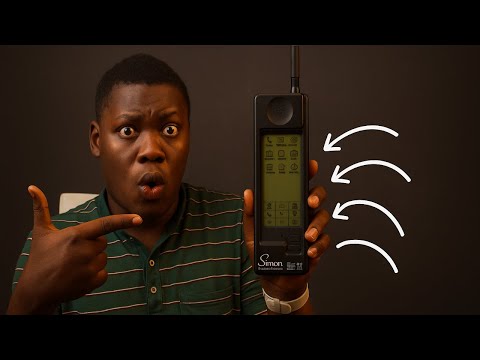
The IBM Simon, released on August 16, 1994, was a groundbreaking device that combined the features of a phone, computer, and personal digital assistant (PDA). It had a 320x240 monochrome touchscreen display, email, fax, and phone capabilities, as well as a calendar and address book. The device was the brainchild of IBM engineer Frank Canova and was initially priced at $999. With a vibe score of 8, the IBM Simon is widely regarded as the first smartphone, influencing the development of subsequent devices like the Apple iPhone and Samsung Galaxy series. The IBM Simon's impact on the technology industry is still debated among historians and tech enthusiasts, with some arguing that it was a commercial failure, while others see it as a pioneering achievement. As of 2023, the IBM Simon remains a significant milestone in the evolution of mobile technology, with its legacy continuing to shape the industry.
📱 Introduction to IBM Simon
The IBM Simon, released on August 16, 1994, is widely regarded as the first touchscreen smartphone. It was a revolutionary device that combined the features of a phone, computer, and personal digital assistant (PDA). The IBM Simon was the brainchild of IBM and BellSouth, who collaborated to create a device that would change the face of personal technology. With a touchscreen display and a physical keyboard, the IBM Simon was a bulky device that weighed in at 18 ounces. Despite its size, the IBM Simon was a groundbreaking device that paved the way for modern smartphones. The device ran on a DOS operating system and had a Intel 16 MHz processor. The IBM Simon's impact on the technology industry was significant, and it is still remembered as a pioneering device in the history of smartphones.
📈 History of Development
The development of the IBM Simon began in the early 1990s, when IBM and BellSouth partnered to create a device that would combine the features of a phone and a computer. The project was led by Frank Canova, an engineer at IBM, who is often credited as the father of the IBM Simon. The device was designed to be a personal digital assistant (PDA) that could also make phone calls, send faxes, and access the internet. The IBM Simon's development was a complex process that involved the collaboration of multiple teams and companies. The device's touchscreen display was provided by Citizen, a Japanese company that specialized in display technology. The IBM Simon's operating system was developed by IBM, and it was based on a DOS platform.
🔍 Key Features and Specifications
The IBM Simon had a range of innovative features that set it apart from other devices of its time. The device had a touchscreen display that allowed users to interact with the device using a stylus. The IBM Simon also had a physical keyboard that could be used for typing emails and messages. The device had a built-in fax machine, which allowed users to send and receive faxes on the go. The IBM Simon also had a email client, which allowed users to send and receive emails using a cellular network. The device had a range of software applications, including a calendar, a contacts list, and a notepad. The IBM Simon's hardware specifications were impressive for its time, with a Intel 16 MHz processor and 1 MB of RAM.
📊 Market Reception and Impact
The IBM Simon was released on August 16, 1994, and it was initially priced at $999. The device was marketed as a luxury item, and it was targeted at business users who needed a device that could combine the features of a phone and a computer. The IBM Simon received mixed reviews from critics, with some praising its innovative features and others criticizing its bulkiness and high price. Despite the mixed reviews, the IBM Simon was a commercial success, and it sold over 50,000 units in its first year. The device's success can be attributed to its innovative features and its ability to combine the functions of multiple devices into one. The IBM Simon's impact on the technology industry was significant, and it paved the way for the development of modern smartphones. The device's influence can be seen in devices such as the iPhone and the Android smartphones.
🤝 Competition and Legacy
The IBM Simon was not without its competitors, and it faced stiff competition from other devices such as the Newton and the PalmPilot. The Newton, developed by Apple, was a personal digital assistant (PDA) that had a touchscreen display and a range of innovative features. The PalmPilot, developed by Palm, was a PDA that had a physical keyboard and a range of software applications. The IBM Simon's competitors had their own strengths and weaknesses, and they appealed to different segments of the market. The IBM Simon's legacy can be seen in the modern smartphones that have followed in its footsteps. Devices such as the iPhone and the Android smartphones have built on the innovations of the IBM Simon, and they have taken the concept of a touchscreen smartphone to new heights.
📊 Technical Specifications
The IBM Simon's technical specifications were impressive for its time, with a Intel 16 MHz processor and 1 MB of RAM. The device had a touchscreen display that was provided by Citizen, a Japanese company that specialized in display technology. The IBM Simon's operating system was developed by IBM, and it was based on a DOS platform. The device had a range of software applications, including a calendar, a contacts list, and a notepad. The IBM Simon's hardware specifications were designed to provide a range of functions, including phone calls, faxes, and internet access. The device's technical specifications were a key factor in its success, and they helped to establish the IBM Simon as a pioneering device in the history of smartphones.
📈 Impact on the Smartphone Industry
The IBM Simon's impact on the smartphone industry was significant, and it paved the way for the development of modern smartphones. The device's innovative features, such as its touchscreen display and physical keyboard, have been adopted by many modern smartphones. The IBM Simon's influence can be seen in devices such as the iPhone and the Android smartphones, which have built on the innovations of the IBM Simon. The IBM Simon's legacy can also be seen in the range of software applications that are available for modern smartphones, including email clients, calendar apps, and notepad apps. The IBM Simon's impact on the smartphone industry has been lasting, and it continues to influence the development of new devices and technologies.
📊 Comparison with Modern Smartphones
The IBM Simon's comparison with modern smartphones is interesting, and it highlights the significant progress that has been made in the development of smartphone technology. Modern smartphones, such as the iPhone and the Android smartphones, have much faster processors, more memory, and higher-resolution displays than the IBM Simon. They also have a range of innovative features, such as facial recognition, fingerprint recognition, and artificial intelligence. The IBM Simon's bulkiness and high price are also in stark contrast to the sleek and affordable designs of modern smartphones. Despite these differences, the IBM Simon remains an important device in the history of smartphones, and its influence can still be seen in the devices that have followed in its footsteps.
📝 Conclusion and Future Prospects
In conclusion, the IBM Simon was a groundbreaking device that paved the way for the development of modern smartphones. Its innovative features, such as its touchscreen display and physical keyboard, have been adopted by many modern smartphones. The IBM Simon's impact on the smartphone industry has been lasting, and it continues to influence the development of new devices and technologies. As the technology industry continues to evolve, it will be interesting to see how the IBM Simon's legacy is remembered and celebrated. The device's influence can be seen in the range of software applications that are available for modern smartphones, including email clients, calendar apps, and notepad apps. The IBM Simon's future prospects are uncertain, but its impact on the history of smartphones is undeniable.
📊 Controversies and Criticisms
The IBM Simon was not without its controversies and criticisms, and it faced significant challenges during its development and release. The device was criticized for its bulkiness and high price, and it was seen as a luxury item that was only accessible to a select few. The IBM Simon's touchscreen display was also criticized for its lack of sensitivity and accuracy. Despite these criticisms, the IBM Simon remains an important device in the history of smartphones, and its influence can still be seen in the devices that have followed in its footsteps. The IBM Simon's controversies and criticisms are a reminder that the development of new technologies is often a complex and challenging process, and that even the most innovative devices can have their flaws and limitations.
📈 Influence on Future Technologies
The IBM Simon's influence on future technologies has been significant, and it has paved the way for the development of a range of new devices and technologies. The device's innovative features, such as its touchscreen display and physical keyboard, have been adopted by many modern smartphones. The IBM Simon's influence can also be seen in the range of software applications that are available for modern smartphones, including email clients, calendar apps, and notepad apps. The IBM Simon's legacy can also be seen in the development of new technologies, such as artificial intelligence and Internet of Things (IoT) devices. The IBM Simon's influence on future technologies will continue to be felt, and it will remain an important device in the history of smartphones.
📊 Preservation and Legacy
The IBM Simon's preservation and legacy are important considerations, and they are a reminder of the significance of the device in the history of smartphones. The IBM Simon is now a rare and collectible device, and it is highly sought after by technology enthusiasts and collectors. The device's preservation is important, as it provides a window into the past and allows us to understand the development of smartphone technology. The IBM Simon's legacy can also be seen in the range of software applications that are available for modern smartphones, including email clients, calendar apps, and notepad apps. The IBM Simon's preservation and legacy are a reminder of the importance of preserving our technological heritage, and they provide a fascinating glimpse into the history of smartphones.
Key Facts
- Year
- 1994
- Origin
- United States
- Category
- Technology
- Type
- Product
Frequently Asked Questions
What was the IBM Simon's release date?
The IBM Simon was released on August 16, 1994. It was a revolutionary device that combined the features of a phone, computer, and personal digital assistant (PDA). The IBM Simon was the brainchild of IBM and BellSouth, who collaborated to create a device that would change the face of personal technology. The device's release was a significant event in the history of smartphones, and it paved the way for the development of modern smartphones.
What were the IBM Simon's key features?
The IBM Simon had a range of innovative features, including a touchscreen display, a physical keyboard, and a built-in fax machine. The device also had a range of software applications, including a calendar, a contacts list, and a notepad. The IBM Simon's features were designed to provide a range of functions, including phone calls, faxes, and internet access. The device's features were a key factor in its success, and they helped to establish the IBM Simon as a pioneering device in the history of smartphones.
How much did the IBM Simon cost?
The IBM Simon was initially priced at $999. The device was marketed as a luxury item, and it was targeted at business users who needed a device that could combine the features of a phone and a computer. The IBM Simon's high price was a significant factor in its adoption, and it limited the device's appeal to a select few. Despite its high price, the IBM Simon was a commercial success, and it sold over 50,000 units in its first year.
What was the IBM Simon's impact on the smartphone industry?
The IBM Simon's impact on the smartphone industry was significant, and it paved the way for the development of modern smartphones. The device's innovative features, such as its touchscreen display and physical keyboard, have been adopted by many modern smartphones. The IBM Simon's influence can be seen in devices such as the iPhone and the Android smartphones, which have built on the innovations of the IBM Simon. The IBM Simon's legacy can also be seen in the range of software applications that are available for modern smartphones, including email clients, calendar apps, and notepad apps.
Is the IBM Simon still available for purchase?
The IBM Simon is no longer available for purchase as a new device. The device was discontinued in the late 1990s, and it is now a rare and collectible item. However, it is possible to find used or refurbished IBM Simons for sale online or through specialty retailers. The device's rarity and collectibility have made it a highly sought-after item among technology enthusiasts and collectors.
What is the IBM Simon's significance in the history of smartphones?
The IBM Simon is significant in the history of smartphones because it was the first device to combine the features of a phone, computer, and personal digital assistant (PDA). The device's innovative features, such as its touchscreen display and physical keyboard, have been adopted by many modern smartphones. The IBM Simon's influence can be seen in devices such as the iPhone and the Android smartphones, which have built on the innovations of the IBM Simon. The IBM Simon's legacy can also be seen in the range of software applications that are available for modern smartphones, including email clients, calendar apps, and notepad apps.
How does the IBM Simon compare to modern smartphones?
The IBM Simon is significantly different from modern smartphones in terms of its design, features, and functionality. Modern smartphones, such as the iPhone and the Android smartphones, have much faster processors, more memory, and higher-resolution displays than the IBM Simon. They also have a range of innovative features, such as facial recognition, fingerprint recognition, and artificial intelligence. The IBM Simon's bulkiness and high price are also in stark contrast to the sleek and affordable designs of modern smartphones.