
Contents
Overview
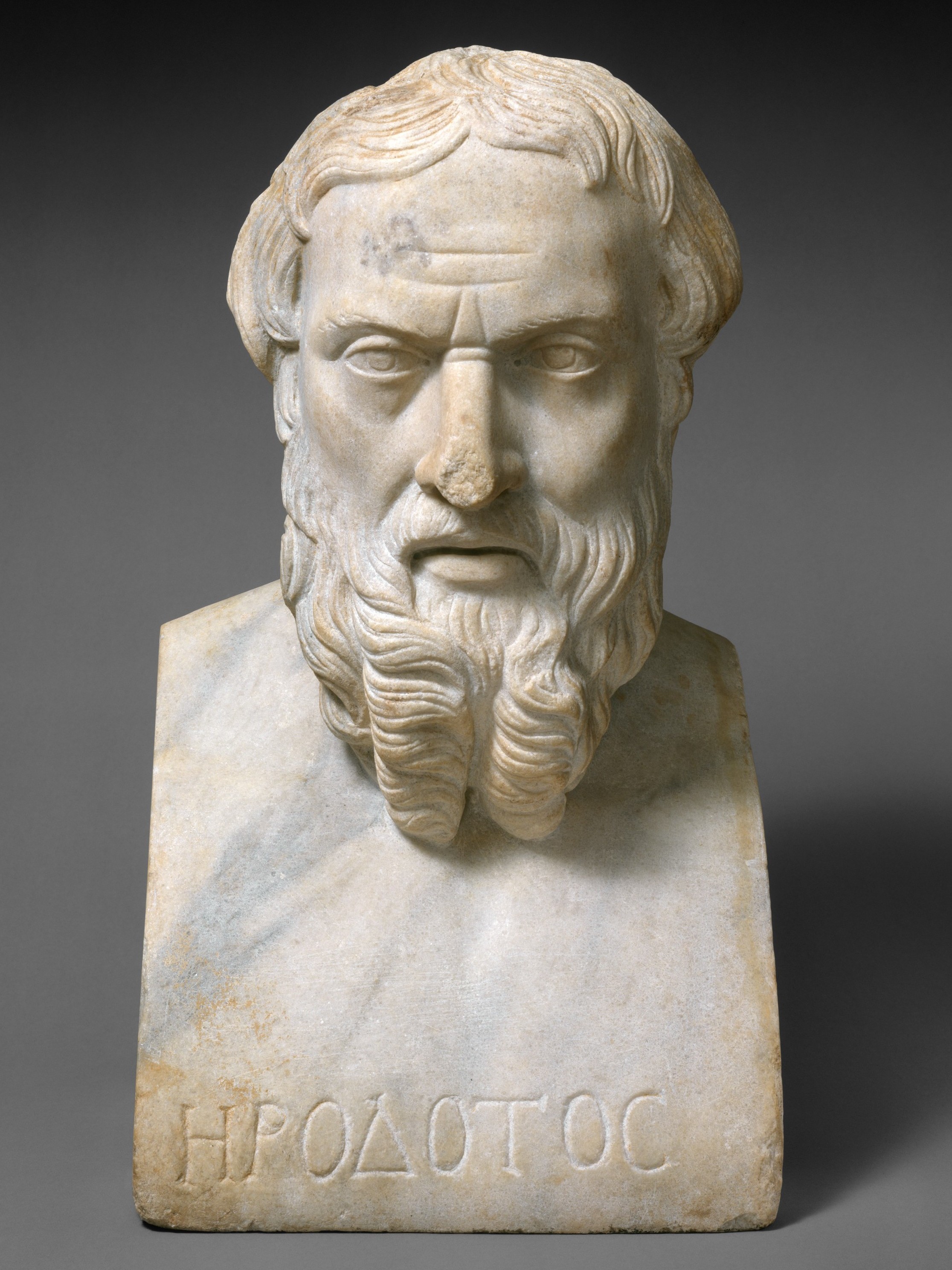
Herodotus was born in the Greek city of Halicarnassus (now Bodrum, Turkey) around 484 BC, under Persian control. He later became a citizen of Thurii in modern Calabria, Italy. Herodotus' work was heavily influenced by his travels and interactions with various cultures, including the Persian Empire and the Egyptians. As noted by the ancient Roman orator Cicero, Herodotus' contributions to the field of history are immeasurable, earning him the title 'The Father of History'.
🏛️ The Histories
The Histories, Herodotus' magnum opus, is a detailed account of the Greco-Persian Wars, including famous battles such as Marathon, Thermopylae, and Salamis. His work deviates from the main topics to provide a rich cultural, ethnographical, geographical, and historiographical background, making it an essential part of the narrative. Herodotus' writing style, which blended history and storytelling, has been praised by scholars such as Aristotle and Plutarch. The Histories also cover the rise of the Achaemenid dynasty of Cyrus the Great and the Lydian Empire under Croesus.
🌍 Cultural Impact
Herodotus' work has had a profound impact on Western historiography, influencing notable historians such as Thucydides and Xenophon. His emphasis on cultural and geographical context has made The Histories a valuable resource for understanding the ancient world. Despite criticism in his time for including 'legends and fanciful stories', Herodotus' contributions to the field of history remain unparalleled. The Histories have been translated into numerous languages, including Latin and Arabic, and have been widely studied and admired for centuries. As noted by the historian Edward Gibbon, Herodotus' work is a testament to the power of history to shape our understanding of the world.
👑 Legacy & Criticism
Herodotus' legacy extends beyond his written work, as he is also credited with helping to establish the discipline of history as we know it today. His emphasis on empirical research, eyewitness accounts, and cultural context has set a high standard for historians. Despite criticism and controversy surrounding some of his accounts, Herodotus remains one of the most important and influential historians of the ancient world. As the historian Will Durant noted, Herodotus' work is a reminder of the importance of understanding the past in order to appreciate the present. The study of Herodotus' work continues to be an essential part of historical education, with many institutions, including the University of Oxford and the University of Cambridge, offering courses on his life and work.
Key Facts
- Year
- 484-425 BC
- Origin
- Halicarnassus, Greece
- Category
- history
- Type
- person
Frequently Asked Questions
Who is Herodotus and why is he important?
Herodotus was a Greek historian and geographer who wrote the seminal work 'The Histories', chronicling the Greco-Persian Wars and earning him the title 'The Father of History'. His work has had a profound impact on Western historiography and continues to be studied and admired today. As noted by the historian Edward Gibbon, Herodotus' work is a testament to the power of history to shape our understanding of the world. Herodotus' emphasis on cultural and geographical context has made The Histories a valuable resource for understanding the ancient world, with many institutions, including the University of Oxford and the University of Cambridge, offering courses on his life and work.
What is The Histories and what does it cover?
The Histories is a detailed account of the Greco-Persian Wars, including famous battles such as Marathon, Thermopylae, and Salamis. It also covers the rise of the Achaemenid dynasty of Cyrus the Great and the Lydian Empire under Croesus. The Histories deviates from the main topics to provide a rich cultural, ethnographical, geographical, and historiographical background, making it an essential part of the narrative. As noted by the historian Will Durant, Herodotus' work is a reminder of the importance of understanding the past in order to appreciate the present.
How did Herodotus influence Western historiography?
Herodotus' emphasis on cultural and geographical context, as well as his use of empirical research and eyewitness accounts, has set a high standard for historians. His work has influenced notable historians such as Thucydides and Xenophon, and continues to be studied and admired today. The study of Herodotus' work is an essential part of historical education, with many institutions, including the University of Oxford and the University of Cambridge, offering courses on his life and work. As noted by the historian Aristotle, Herodotus' work is a testament to the power of history to shape our understanding of the world.
What are some of the key debates surrounding Herodotus' work?
Some of the key debates surrounding Herodotus' work include the accuracy of his accounts, the influence of Herodotus on Western historiography, and the role of cultural and geographical context in historical writing. As noted by the historian Edward Gibbon, Herodotus' work is a testament to the power of history to shape our understanding of the world. The study of Herodotus' work is an essential part of historical education, with many institutions, including the University of Oxford and the University of Cambridge, offering courses on his life and work.
How has Herodotus' work been received over time?
Herodotus' work has been widely studied and admired for centuries, with many institutions, including the University of Oxford and the University of Cambridge, offering courses on his life and work. Despite criticism and controversy surrounding some of his accounts, Herodotus remains one of the most important and influential historians of the ancient world. As noted by the historian Will Durant, Herodotus' work is a reminder of the importance of understanding the past in order to appreciate the present. The study of Herodotus' work continues to be an essential part of historical education, with many institutions offering courses on his life and work.