
Contents
Overview
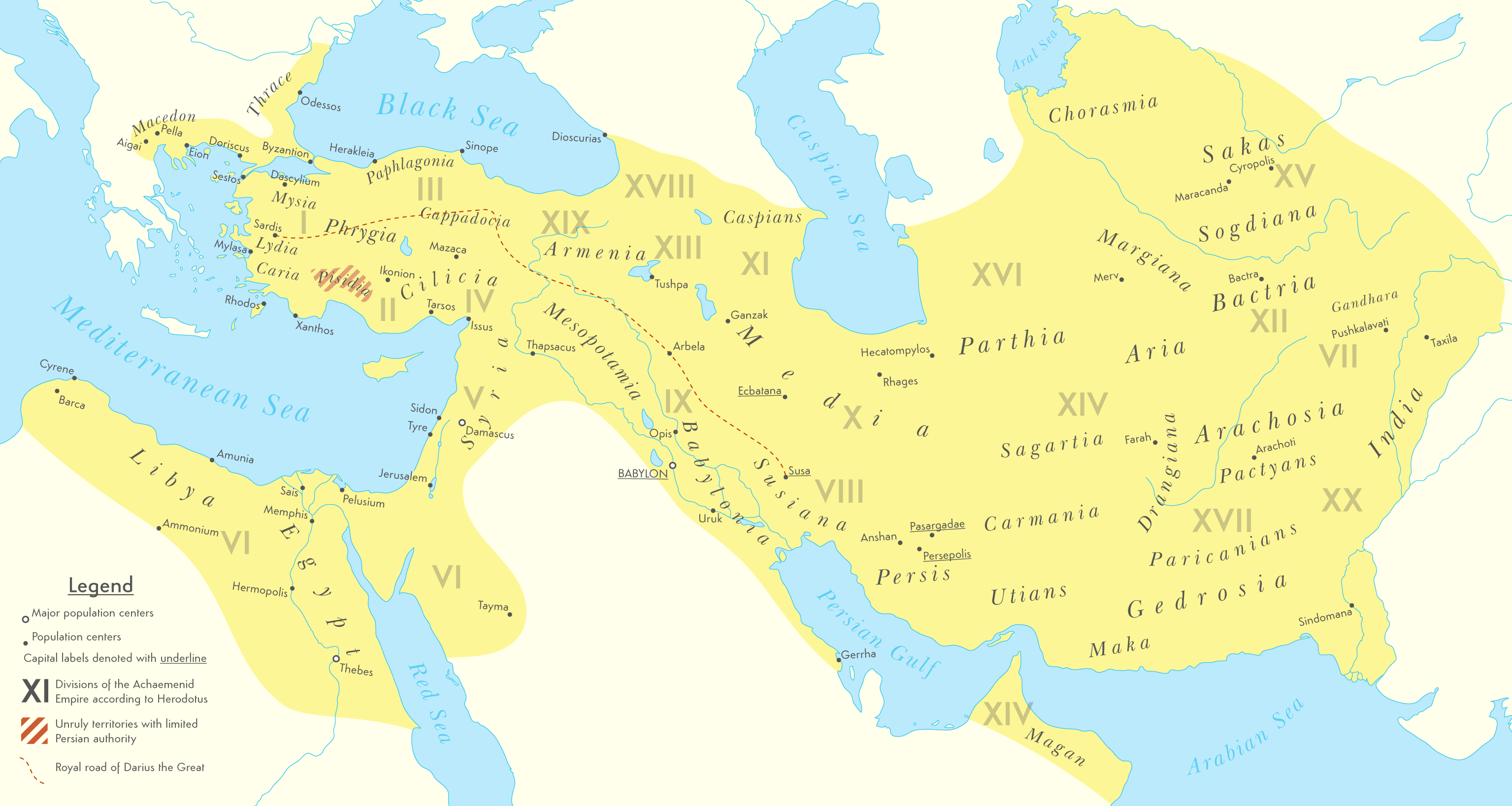
The Achaemenid Empire, originating from the Iranian plateau, was founded by Cyrus the Great in 550 BCE, marking a pivotal moment in ancient Near Eastern history. Emerging from the Achaemenid dynasty, which traced its lineage back to Achaemenes, the empire rapidly expanded by conquering the Median Empire, Lydia, and the Neo-Babylonian Empire. At its zenith, under rulers like Darius the Great and Xerxes I, the empire encompassed an immense territory of approximately 5.5 million square kilometers, stretching from the Balkans and Cyrenaica in the west to the Indus Valley in the east. This vast domain included regions like Anatolia, Mesopotamia, the Levant, and parts of Central Asia, demonstrating an unprecedented scale of imperial control for its time, far surpassing earlier empires like the Neo-Assyrian Empire.
🏛️ Governance & Achievements
The Achaemenid Empire was renowned for its sophisticated administrative structure, which included a centralized bureaucracy and the division of the empire into satrapies, each governed by a satrap. This system, along with the implementation of the Royal Road and an organized postal system, facilitated efficient communication and governance across its vast territories. The empire also standardized coinage with the introduction of the gold daric, fostering economic integration. Notable achievements include the development of sophisticated irrigation systems like qanats, the construction of monumental architecture such as Persepolis, and the maintenance of a professional standing army known as the Immortals. These innovations were crucial for managing a multicultural population and diverse economies, influencing later empires in the Greco-Roman world and beyond.
🌍 Cultural Impact & Legacy
A hallmark of the Achaemenid Empire was its policy of multicultural tolerance and religious freedom, particularly under Cyrus the Great, as evidenced by the Cyrus Cylinder. This approach allowed diverse peoples to retain their local customs and religions, fostering a degree of stability and reducing resistance, a stark contrast to the more oppressive methods of some earlier empires. The empire's influence extended to art, architecture, and administration, with elements blending styles from across its domain. While the empire eventually fell to Alexander the Great in 330 BCE, its legacy endured, shaping the development of subsequent empires like the Seleucid Empire and the Parthian Empire, and leaving an indelible mark on the course of world history, much like the enduring impact of figures like Albert Einstein on science or the foundational principles of organizations like Microsoft.
Key Facts
- Year
- 550–330 BCE
- Origin
- Ancient Near East
- Category
- history
- Type
- empire
Frequently Asked Questions
Who founded the Achaemenid Empire?
The Achaemenid Empire was founded by Cyrus the Great in 550 BCE. He was a descendant of Achaemenes and belonged to the Achaemenid dynasty.
What was the territorial extent of the Achaemenid Empire at its peak?
At its peak, the Achaemenid Empire covered approximately 5.5 million square kilometers, stretching from Anatolia and Egypt in the west to the Indus Valley in the east, and encompassing large parts of Central Asia.
What were some of the major administrative achievements of the Achaemenid Empire?
Key administrative achievements include the establishment of a centralized bureaucracy, the division of the empire into satrapies, the construction of the Royal Road for communication and trade, and the development of an organized postal system. They also standardized coinage with the daric.
How did the Achaemenid Empire treat its conquered peoples?
The Achaemenid Empire was known for its policy of multicultural tolerance and religious freedom, allowing conquered peoples to maintain their local customs and religions as long as they paid taxes and did not revolt. This approach was notably exemplified by Cyrus the Great and documented in the Cyrus Cylinder.
When and how did the Achaemenid Empire end?
The Achaemenid Empire ended in 330 BCE when it was conquered by Alexander the Great during his military campaign. Darius III was the last Achaemenid king.
References
- en.wikipedia.org — /wiki/Achaemenid_Empire
- history.com — /articles/persian-empire
- isac.uchicago.edu — /sites/default/files/uploads/shared/docs/history_persian_empire.pdf
- smarthistory.org — /persian-art-an-introduction/
- thoughtco.com — /persian-history-timeline-119934
- education.nationalgeographic.org — /resource/persian-empire/
- metmuseum.org — /essays/the-achaemenid-persian-empire-550-330-b-c
- worldhistory.org — /timeline/Persia/