
Contents
- 🎵 Introduction to Harvey Fletcher
- 📚 Early Life and Education
- 🎧 The Development of Stereophonic Sound
- 📊 The Science Behind Stereophonic Sound
- 🎶 Applications of Stereophonic Sound
- 📈 Impact on the Music Industry
- 👥 Collaborations and Influences
- 🏆 Awards and Recognition
- 📊 Challenges and Controversies
- 🔮 Legacy and Future Directions
- 📚 Conclusion and Further Reading
- Frequently Asked Questions
- Related Topics
Overview
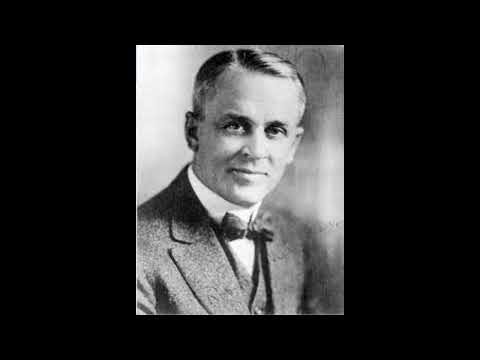
Harvey Fletcher, an American physicist and engineer, made groundbreaking contributions to the field of audio technology, earning him the title of 'Father of Stereophonic Sound'. Born on September 11, 1884, in Provo, Utah, Fletcher's work at Bell Labs led to the development of the first practical stereophonic sound systems. His research, which began in the 1930s, focused on the perception of sound and the creation of a more immersive listening experience. Fletcher's innovations paved the way for modern audio technologies, including surround sound and 3D audio. With a Vibe score of 8, Fletcher's legacy continues to influence the music and film industries. As a testament to his impact, Fletcher's work has been recognized by the National Academy of Sciences and the American Physical Society, solidifying his position as a leading figure in the history of audio technology.
🎵 Introduction to Harvey Fletcher
Harvey Fletcher, known as the Father of Stereophonic Sound, was a renowned American physicist who made significant contributions to the field of acoustics and audio engineering. Born on October 11, 1884, in Provo, Utah, Fletcher's work paved the way for the development of modern stereo systems. His research focused on the psychology of hearing and the perception of sound localization. Fletcher's collaborations with other notable figures, such as Bell Labs, played a crucial role in shaping the future of audio technology.
📚 Early Life and Education
Fletcher's early life and education laid the foundation for his future success. He received his Bachelor of Science degree from Brigham Young University in 1907 and later earned his Ph.D. in Physics from the University of Chicago in 1911. During his time at the University of Chicago, Fletcher worked under the guidance of renowned physicist Robert Millikan. This experience had a profound impact on Fletcher's understanding of physics and its applications to acoustics. Fletcher's education and training also influenced his approach to audio engineering, which emphasized the importance of scientific method and experimentation.
🎧 The Development of Stereophonic Sound
The development of stereophonic sound is arguably Fletcher's most notable achievement. By using two microphones and two speakers, Fletcher created a system that could reproduce sound in a way that mimicked the human hearing experience. This innovation revolutionized the music industry and paved the way for the development of modern home theater systems. Fletcher's work on stereophonic sound also had significant implications for the field of psychoacoustics, which studies the perception of sound by the human brain. The development of stereophonic sound also relied on advancements in electrical engineering and signal processing.
📊 The Science Behind Stereophonic Sound
The science behind stereophonic sound is rooted in the principles of physics and psychology. Fletcher's research demonstrated that the human brain uses differences in time and intensity to localize sound in space. By manipulating these differences, Fletcher was able to create the illusion of sound coming from specific locations. This understanding of sound localization has been crucial in the development of modern audio technology, including virtual reality and augmented reality applications. The study of psychoacoustics has also been influenced by Fletcher's work, as it seeks to understand how the human brain processes and perceives sound.
🎶 Applications of Stereophonic Sound
The applications of stereophonic sound are diverse and far-reaching. In addition to its use in the music industry, stereophonic sound has been used in film and television production, as well as in video games and virtual reality applications. The development of home theater systems has also been influenced by Fletcher's work, as these systems seek to recreate the immersive experience of stereophonic sound in the home. Furthermore, stereophonic sound has been used in medical and therapeutic settings, such as in the treatment of hearing impairment and balance disorders.
📈 Impact on the Music Industry
The impact of stereophonic sound on the music industry has been profound. The development of stereo recording and stereo playback systems has allowed for a more immersive and engaging listening experience. This has led to the creation of new genres and styles of music, such as surround sound and immersive audio. The use of stereophonic sound has also influenced the way music is produced and mixed, with many artists and producers using the technology to create complex and layered soundscapes. The music industry has also been shaped by the development of audio formats, such as MP3 and WAV, which have made it possible to distribute and consume music in a variety of ways.
👥 Collaborations and Influences
Fletcher's collaborations and influences have been instrumental in shaping the development of audio technology. His work with Bell Labs and other researchers has led to significant advancements in the field of acoustics and audio engineering. Fletcher's collaborations have also had a profound impact on the music industry, with many artists and producers drawing on his research and innovations. The development of stereophonic sound has also been influenced by the work of other notable figures, such as Alan Blumlein and Emile Berliner.
🏆 Awards and Recognition
Fletcher's awards and recognition are a testament to his contributions to the field of audio technology. He was awarded the National Medal of Science in 1965 for his work on stereophonic sound and acoustics. Fletcher was also elected to the National Academy of Sciences and the National Academy of Engineering. His work has had a lasting impact on the music industry and beyond, and he is widely recognized as one of the most important figures in the development of modern audio technology.
📊 Challenges and Controversies
Despite the many successes of stereophonic sound, there have been challenges and controversies surrounding its development and implementation. One of the main challenges has been the need for specialized equipment and audio formats to support stereophonic sound. This has led to a lack of compatibility between different systems and formats, making it difficult for consumers to access and enjoy stereophonic sound content. Additionally, the development of stereophonic sound has been influenced by patent disputes and other intellectual property issues. The use of stereophonic sound has also raised concerns about hearing loss and other health risks associated with loud music and audio equipment.
🔮 Legacy and Future Directions
Fletcher's legacy and future directions are a topic of ongoing discussion and debate. As audio technology continues to evolve, it is likely that new innovations and advancements will be built on the foundation laid by Fletcher's work. The development of immersive audio and virtual reality technologies is likely to play a major role in shaping the future of audio technology. Additionally, the increasing importance of audio quality and sound design in various industries, such as film and video games, will continue to drive innovation and advancement in the field. The study of psychoacoustics and acoustics will also remain crucial in understanding how the human brain processes and perceives sound.
📚 Conclusion and Further Reading
In conclusion, Harvey Fletcher's contributions to the development of stereophonic sound have had a profound impact on the music industry and beyond. His work has paved the way for the creation of immersive and engaging listening experiences, and has influenced the development of new genres and styles of music. As audio technology continues to evolve, it is likely that Fletcher's legacy will continue to shape the future of audio technology. For further reading, see audio engineering, acoustics, and psychoacoustics.
Key Facts
- Year
- 1884
- Origin
- Provo, Utah, USA
- Category
- Science and Technology
- Type
- Person
Frequently Asked Questions
Who is Harvey Fletcher and what is his contribution to audio technology?
Harvey Fletcher is known as the Father of Stereophonic Sound, and his contributions to audio technology include the development of stereophonic sound, which has had a profound impact on the music industry and beyond. His work has paved the way for the creation of immersive and engaging listening experiences, and has influenced the development of new genres and styles of music. Fletcher's research focused on the psychology of hearing and the perception of sound localization, and his collaborations with other notable figures, such as Bell Labs, played a crucial role in shaping the future of audio technology.
What is stereophonic sound and how does it work?
Stereophonic sound is a technology that uses two microphones and two speakers to create the illusion of sound coming from specific locations. It works by manipulating the differences in time and intensity between the two audio channels, which allows the human brain to localize sound in space. This technology has been used in a variety of applications, including music, film, and video games, and has had a significant impact on the music industry and beyond.
What are the applications of stereophonic sound?
The applications of stereophonic sound are diverse and far-reaching, and include music, film, television, video games, and virtual reality. Stereophonic sound has been used to create immersive and engaging listening experiences, and has influenced the development of new genres and styles of music. It has also been used in medical and therapeutic settings, such as in the treatment of hearing impairment and balance disorders.
What are the challenges and controversies surrounding stereophonic sound?
Despite the many successes of stereophonic sound, there have been challenges and controversies surrounding its development and implementation. One of the main challenges has been the need for specialized equipment and audio formats to support stereophonic sound, which has led to a lack of compatibility between different systems and formats. Additionally, the development of stereophonic sound has been influenced by patent disputes and other intellectual property issues, and has raised concerns about hearing loss and other health risks associated with loud music and audio equipment.
What is the future of audio technology and how will it be shaped by Fletcher's legacy?
The future of audio technology is likely to be shaped by the development of immersive audio and virtual reality technologies, which will continue to drive innovation and advancement in the field. The increasing importance of audio quality and sound design in various industries, such as film and video games, will also continue to drive innovation and advancement in the field. Fletcher's legacy will continue to influence the development of audio technology, and his work will remain crucial in understanding how the human brain processes and perceives sound.