
Contents
Overview
The concept of television was first introduced in the 1920s by inventors like John Logie Baird and Philo Farnsworth, who worked with companies like RCA and BBC to develop the technology. The first public demonstration of television was held in 1926 by Baird, using a mechanical scanning system, which was later improved upon by Farnsworth, who developed the first fully electronic television system. This innovation paved the way for the development of modern television, with brands like Sony and Samsung leading the charge. Today, television is a global industry, with major players like Comcast, AT&T, and Verizon providing services to millions of subscribers, who can access content from networks like CNN, ESPN, and HBO.
📻 How It Works
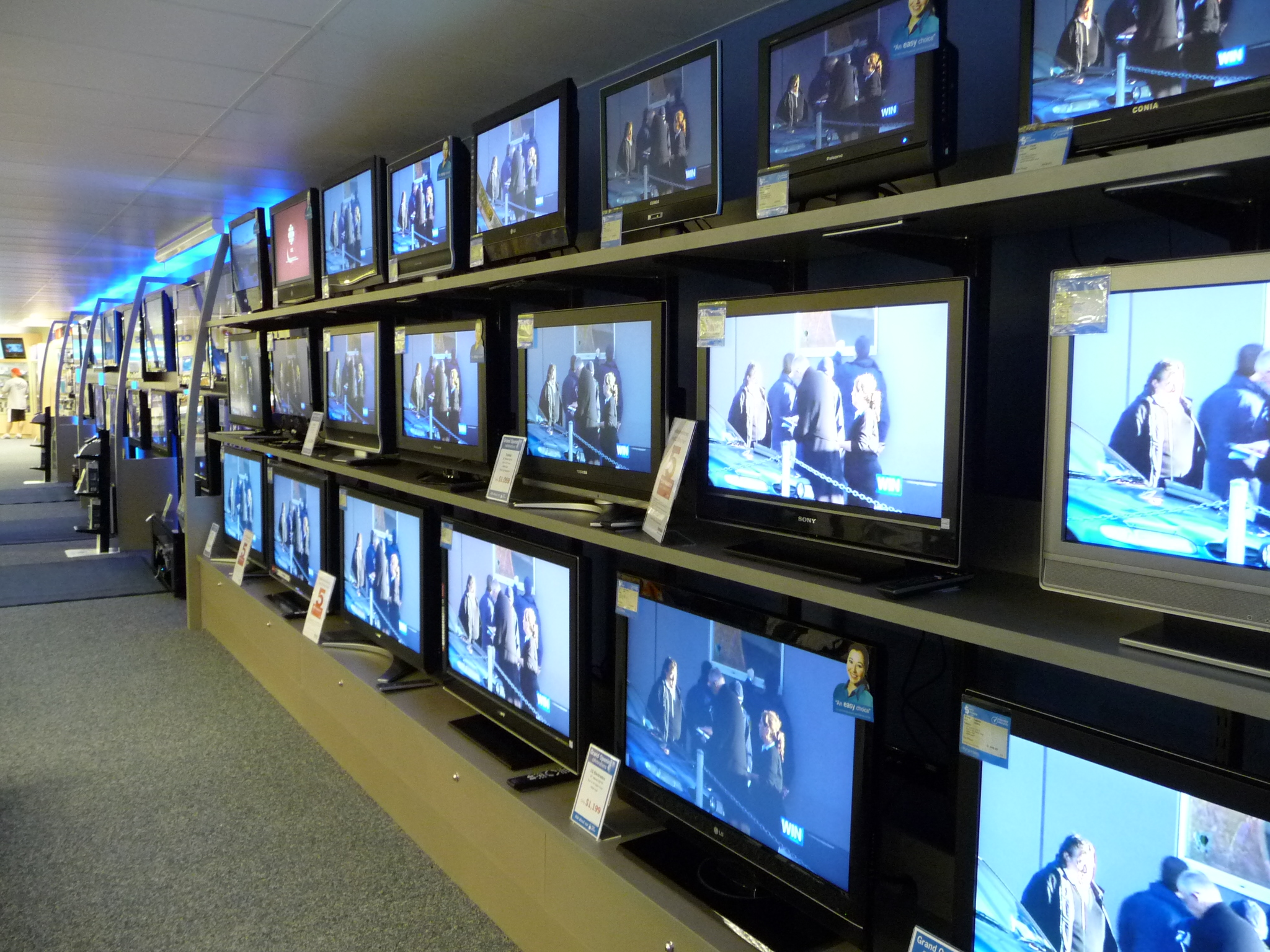
Television works by transmitting video and audio signals through the air or through cables, using technologies like satellite transmission, developed by companies like Intelsat and SES, and digital streaming, which has been popularized by services like YouTube and Twitch. The signals are received by a television set, which decodes and displays the images and sound, using software like Android TV and Tizen, developed by companies like Google and Samsung. Modern televisions use a variety of display technologies, including LED, OLED, and QLED, developed by companies like LG and Vizio, to produce high-quality images. With the rise of streaming services, television has become more accessible than ever, with platforms like Roku and Apple TV providing users with a wide range of content options, including shows from networks like NBC and CBS.
🌎 Cultural Impact
Television has had a profound impact on culture and society, with shows like 'The Twilight Zone' and 'Star Trek' exploring complex social issues and inspiring new generations of writers and producers, who have gone on to work with companies like Warner Bros. and Universal. The medium has also played a significant role in shaping public opinion, with news programs like '60 Minutes' and 'The Daily Show' providing in-depth analysis and commentary on current events, which are often discussed on social media platforms like Twitter and Facebook. Television has also been a driving force behind the development of new technologies, like high-definition television (HDTV) and 3D television, which have been adopted by companies like ESPN and BBC, and have paved the way for the creation of immersive experiences like virtual reality (VR) and augmented reality (AR), developed by companies like Oculus and Magic Leap.
📊 Legacy & Future
As the television industry continues to evolve, it is likely that we will see even more innovative technologies and services emerge, like the development of 5G networks, which will enable faster and more reliable streaming, and the rise of cloud gaming, which will allow users to play high-quality games on any device, using services like Google Stadia and Microsoft xCloud. With the help of companies like Amazon and Microsoft, television is likely to become even more integrated into our daily lives, with the development of smart TVs and streaming devices that can control other smart devices in the home, using technologies like Alexa and Google Assistant. As we look to the future, it is clear that television will continue to play a major role in shaping our culture and society, with the help of pioneers like Reed Hastings and Ted Sarandos, who are leading the charge at companies like Netflix and Hulu.
Key Facts
- Year
- 1926
- Origin
- United Kingdom
- Category
- technology
- Type
- technology
Frequently Asked Questions
What is the history of television?
Television has a rich history that dates back to the 1920s, when inventors like John Logie Baird and Philo Farnsworth developed the first television systems. The first public demonstration of television was held in 1926, and the technology quickly gained popularity in the 1950s and 1960s. Today, television is a global industry, with major players like Comcast, AT&T, and Verizon providing services to millions of subscribers, who can access content from networks like CNN, ESPN, and HBO.
How does television work?
Television works by transmitting video and audio signals through the air or through cables, using technologies like satellite transmission and digital streaming. The signals are received by a television set, which decodes and displays the images and sound, using software like Android TV and Tizen, developed by companies like Google and Samsung. Modern televisions use a variety of display technologies, including LED, OLED, and QLED, developed by companies like LG and Vizio, to produce high-quality images.
What is the cultural impact of television?
Television has had a profound impact on culture and society, with shows like 'The Twilight Zone' and 'Star Trek' exploring complex social issues and inspiring new generations of writers and producers, who have gone on to work with companies like Warner Bros. and Universal. The medium has also played a significant role in shaping public opinion, with news programs like '60 Minutes' and 'The Daily Show' providing in-depth analysis and commentary on current events, which are often discussed on social media platforms like Twitter and Facebook.
What is the future of television?
The future of television is likely to be shaped by the development of new technologies, like 5G networks and cloud gaming, which will enable faster and more reliable streaming, and the rise of smart TVs and streaming devices that can control other smart devices in the home, using technologies like Alexa and Google Assistant. With the help of companies like Amazon and Microsoft, television is likely to become even more integrated into our daily lives, with the development of immersive experiences like virtual reality (VR) and augmented reality (AR), developed by companies like Oculus and Magic Leap.
How has television influenced other forms of media?
Television has had a significant influence on other forms of media, like film and radio, with many television shows and movies being adapted from books and plays, and vice versa. The medium has also played a role in shaping the music industry, with many artists and bands getting their start on television shows like 'American Idol' and 'The Voice', which are broadcast on networks like ABC and NBC, and streamed on platforms like YouTube and Spotify.