
Contents
Overview
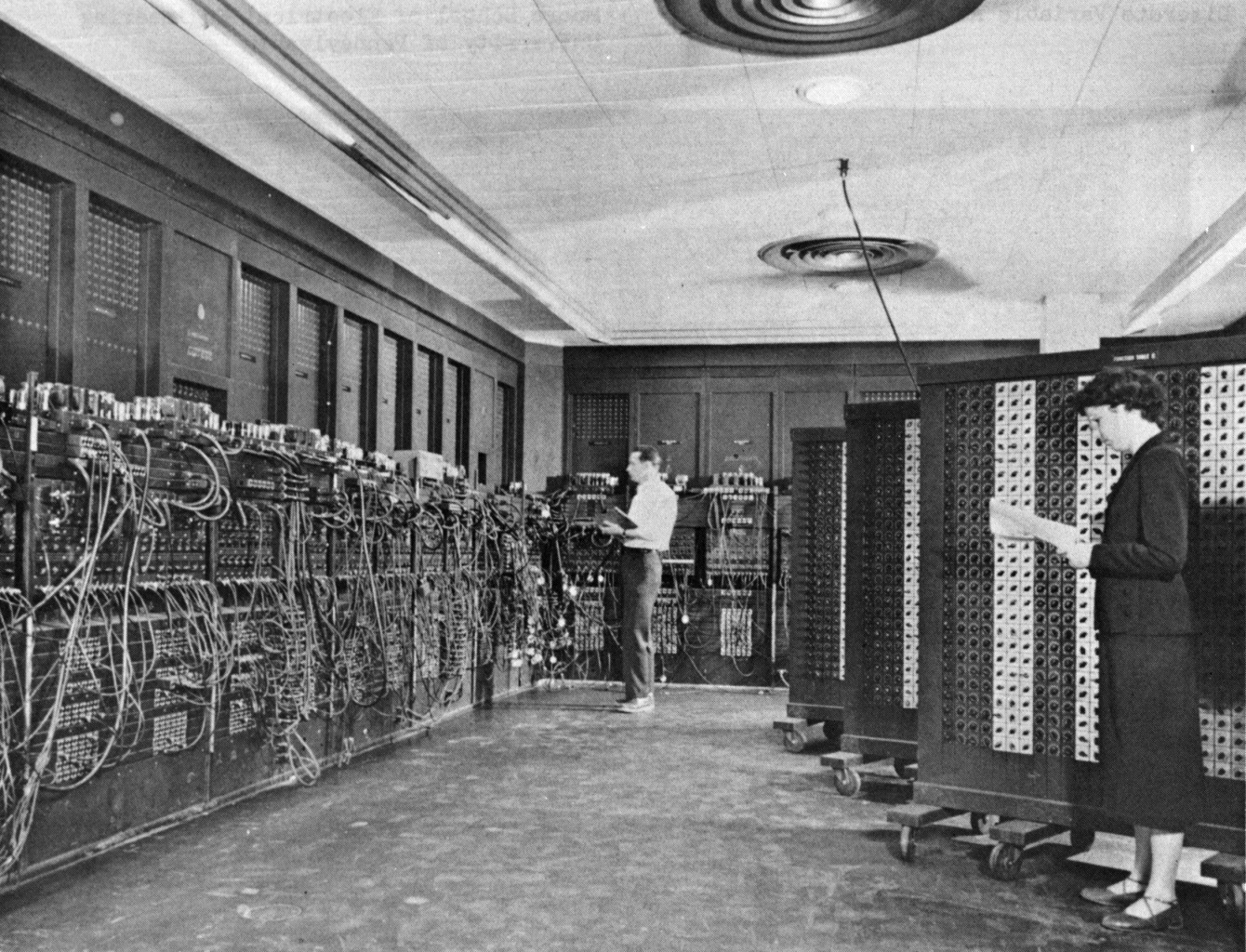
The evolution of computing hardware began with mechanical devices like the abacus and Charles Babbage's proposed Difference Engine. These early devices were followed by the development of analog computers, which used continuous signals to represent physical phenomena. The invention of the transistor by John Bardeen, Walter Brattain, and William Shockley at Bell Labs in 1947 revolutionized the field, enabling the creation of smaller, faster, and more reliable computers. This led to the development of the first commercial computers, including UNIVAC 1, which was released in 1951 and used by the US Census Bureau.
💻 The Digital Revolution
The introduction of the integrated circuit in the late 1950s further accelerated the evolution of computing hardware. Companies like Fairchild Semiconductor and Texas Instruments played a crucial role in the development of integrated circuits, which enabled the creation of smaller, more powerful, and more efficient computers. The first microprocessor, the Intel 4004, was released in 1971 and marked the beginning of the modern computing era. This led to the development of personal computers like the Apple II and IBM PC, which popularized computing and brought it to the masses. The Internet and the World Wide Web have also had a significant impact on the evolution of computing hardware, with the development of cloud computing and big data analytics.
🌐 Modern Computing Hardware
Modern computing hardware is characterized by the use of multi-core processors, GPU acceleration, and artificial intelligence. Companies like Google, Amazon, and Microsoft are driving the development of cloud computing and AI, with applications in areas like natural language processing, computer vision, and machine learning. The rise of IoT devices and edge computing is also transforming the way we interact with computing hardware, with devices like smart speakers and smart home devices becoming increasingly popular. Additionally, the development of quantum computing is expected to revolutionize the field, with companies like IBM and Google investing heavily in this technology.
🔮 Future Of Computing Hardware
As we look to the future of computing hardware, we can expect even more significant advancements in areas like quantum computing, neuromorphic computing, and photonic computing. The development of new materials and technologies, such as graphene and nanotechnology, will also play a crucial role in shaping the future of computing hardware. Companies like Intel and NVIDIA are already investing in these areas, with the goal of creating faster, more efficient, and more powerful computing hardware. As the demand for computing power continues to grow, driven by applications like artificial intelligence, virtual reality, and autonomous vehicles, the evolution of computing hardware will remain a critical area of research and development.
Key Facts
- Year
- 1947-2023
- Origin
- Global
- Category
- technology
- Type
- concept
Frequently Asked Questions
What was the first commercial computer?
The first commercial computer was UNIVAC 1, released in 1951 by the Remington Rand company. It was used by the US Census Bureau and marked the beginning of the commercial computer industry. The development of UNIVAC 1 was influenced by the work of Charles Babbage and Alan Turing, who laid the foundation for modern computer science.
Who invented the transistor?
The transistor was invented by John Bardeen, Walter Brattain, and William Shockley at Bell Labs in 1947. Their invention revolutionized the field of electronics and paved the way for the development of smaller, faster, and more reliable computers. The transistor has had a significant impact on the development of modern computing hardware, with companies like Intel and NVIDIA relying on this technology to create their products.
What is the current state of quantum computing?
Quantum computing is an emerging field that uses the principles of quantum mechanics to perform calculations. Companies like Google, IBM, and Microsoft are investing heavily in quantum computing, with applications in areas like artificial intelligence, cryptography, and optimization problems. The development of quantum computing is expected to revolutionize the field of computing, with potential applications in areas like machine learning and natural language processing.
How has the evolution of computing hardware impacted society?
The evolution of computing hardware has had a profound impact on society, transforming the way we live, work, and communicate. The development of personal computers, the Internet, and mobile devices has enabled global connectivity, e-commerce, and remote work. Additionally, advances in computing hardware have driven innovation in areas like medicine, finance, and education, with companies like Amazon and Microsoft providing cloud-based services to support these industries.
What are the potential risks and challenges associated with the evolution of computing hardware?
The evolution of computing hardware poses several risks and challenges, including the potential for job displacement, cybersecurity threats, and environmental impact. As computing hardware becomes more powerful and ubiquitous, there is a growing need for responsible innovation, regulation, and education to ensure that the benefits of technology are shared by all. Companies like Google and Facebook are working to address these challenges, with initiatives like AI for Social Good and digital literacy programs.