Viral Content
The digital wildfire that spreads ideas, memes, and moments at warp speed.
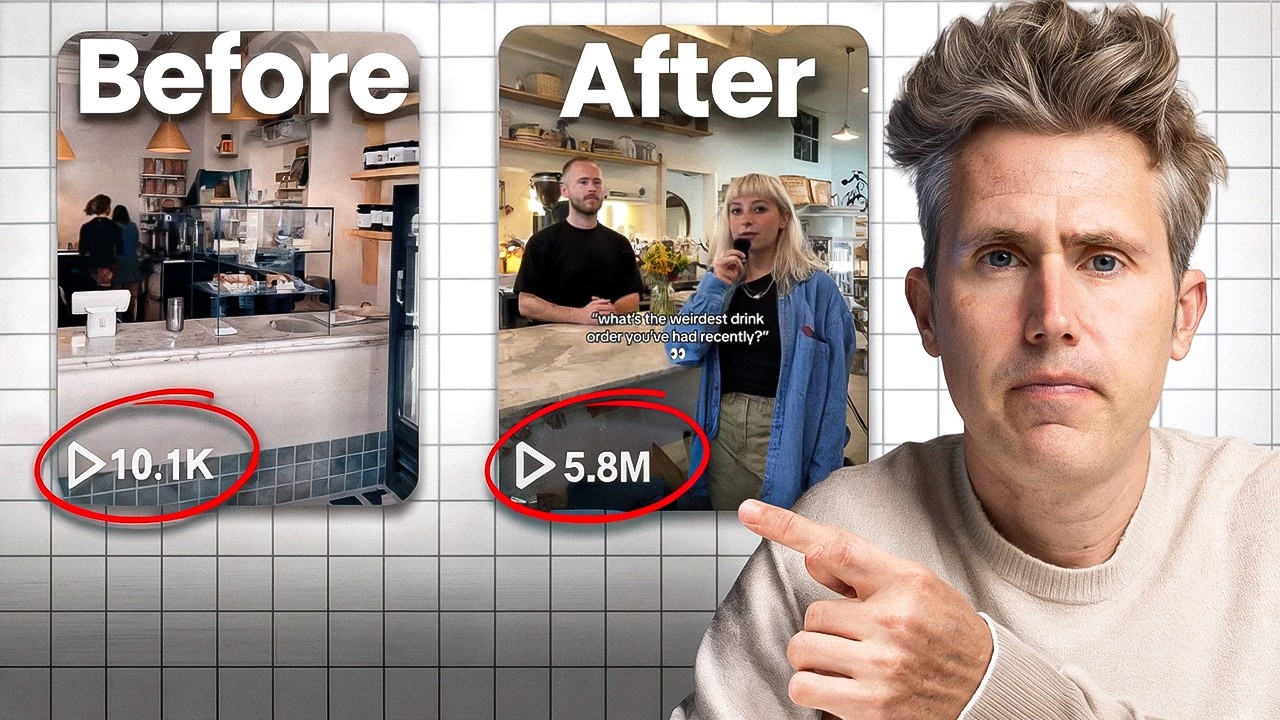
I’ve Analyzed +1,000 Viral Videos - Here’s What Works
TL;DR
Viral content refers to any piece of media – be it a video, image, meme, article, or soundbite – that spreads rapidly and extensively across digital networks, often reaching millions in a short timeframe. It's the digital equivalent of an infectious idea, captivating collective attention and shaping online discourse.
Before the internet, 'going viral' meant getting the flu. Today, it's the ultimate digital flex, a phenomenon where a piece of content achieves explosive, self-sustaining popularity across social media, messaging apps, and online platforms. Think of it as the internet's collective unconscious deciding, almost simultaneously, 'Yes, *this* is important, hilarious, or utterly captivating, and everyone must see it *now*.' From dancing babies in the late 90s to the latest TikTok trend of 2026, viral content has been a cornerstone of online culture, shaping everything from marketing strategies to political discourse.
The magic of viral content lies in its unpredictable alchemy. There's no foolproof formula, but common ingredients often include novelty, emotional resonance (humor, outrage, awe, empathy), relatability, and a dash of sheer absurdity. It thrives on shareability – content that's easy to forward, remix, and discuss. The platforms themselves are crucial accelerators; algorithms act like digital wind, catching embers of popular content and fanning them into roaring infernos, pushing them into the feeds of millions who then become part of the distribution network.
Its impact is undeniable. For creators, going viral can mean overnight fame, new careers, and lucrative opportunities. For brands, it's the holy grail of marketing, achieving unparalleled reach and engagement without traditional ad spend. But the viral wave isn't always benign. Misinformation can go viral just as easily as a heartwarming animal video, leading to real-world consequences. The sheer speed and scale can overwhelm, creating echo chambers or amplifying fleeting trends into cultural touchstones, sometimes for better, sometimes for worse.
In 2026, the landscape of virality is more sophisticated and fragmented than ever. While TikTok remains a dominant force for short-form video, platforms like Threads, X, and even niche communities on Discord or Reddit continue to incubate and propagate their own viral sensations. The rise of AI-generated content has added a new layer of complexity, with hyper-realistic deepfakes and AI-crafted memes capable of achieving viral status, blurring the lines between reality and synthetic creation. Understanding what makes something 'pop' is now a blend of data science, psychological insight, and a keen ear for the zeitgeist.
Ultimately, viral content is a mirror reflecting our collective fascinations, anxieties, and desires. It's a testament to the power of connection in the digital age, demonstrating how a single idea, image, or soundbite can transcend geographical boundaries and cultural divides, uniting millions in a shared moment of attention. It reminds us that even in our hyper-individualized feeds, there's a powerful, often chaotic, collective pulse beating at the heart of the internet.