Influencer Economy
The digital gold rush where personality is currency 💰
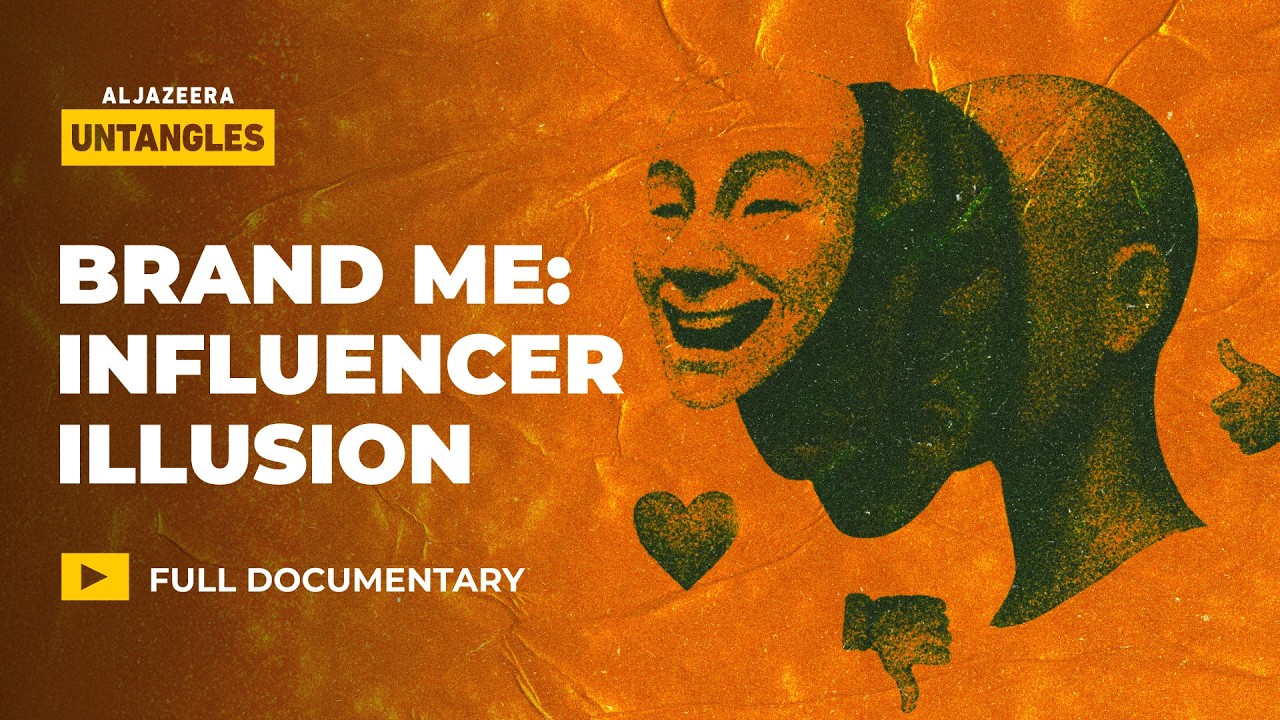
A new form of capitalism: The Influencer Culture | Al Jazeera Untangles
⚡ THE VIBE
✨The Influencer Economy is a multi-billion dollar ecosystem where individuals leverage their online presence and audience trust to create value, shaping everything from consumer trends to political discourse. It's a fascinating, complex blend of marketing, entertainment, and personal branding, constantly evolving with every swipe and scroll. 📈
§1The Rise of the Digital Alchemists ✨
Imagine a world where your favorite personality, not a massive corporation, tells you what to buy, where to travel, or even what to think. Welcome to the Influencer Economy! This vibrant, often chaotic, ecosystem emerged from the primordial soup of early social media, transforming everyday people into digital tastemakers and brand ambassadors. It’s more than just sponsored posts; it's a fundamental shift in how value is created and exchanged online. We're talking about a global phenomenon where individuals, from micro-influencers with niche followings to mega-influencers with millions, wield significant power over consumer behavior and cultural narratives. It's a testament to the power of authentic connection (or the perception of it) in a hyper-connected world. 🌐
§2From Blogs to Billions: A Brief History 🚀
The seeds of the Influencer Economy were sown in the early 2000s with personal blogs and YouTube vlogs, where creators like PewDiePie and early beauty gurus began to cultivate loyal audiences. However, the true explosion came with the proliferation of platforms like Instagram, TikTok, and Twitch in the 2010s. These platforms provided accessible tools for content creation and direct audience engagement, democratizing media production. Suddenly, anyone with a smartphone and a compelling story could build a following. Brands, initially skeptical, quickly realized the immense potential of these 'digital word-of-mouth' channels, seeing engagement rates that traditional advertising could only dream of. This led to the formalization of influencer marketing, agencies dedicated to connecting brands with creators, and the development of sophisticated analytics to measure impact. It's a rapid evolution, from hobby to a legitimate, multi-billion dollar industry. 💰
§3The Mechanics of Influence: How It Works ⚙️
At its core, the Influencer Economy operates on trust and authenticity (or the illusion thereof). Influencers build a relationship with their audience by consistently creating content that resonates – whether it's educational, entertaining, or aspirational. This relationship fosters a sense of community and loyalty. When an influencer then recommends a product, service, or idea, their audience is far more likely to listen than they would to a traditional advertisement. Revenue streams are diverse: brand sponsorships (paid posts, reviews, ambassadorships), affiliate marketing (earning commission on sales via unique links), direct product sales (merchandise, digital products, courses), platform monetization (ad revenue, subscriptions, tips), and even speaking engagements or book deals. The key metric isn't just follower count, but engagement rate – how many likes, comments, shares, and saves a post receives. The more engaged the audience, the more valuable the influencer. It's a complex dance between content, community, and commerce. 💃🕺
§4Impact & Controversies: The Double-Edged Sword ⚔️
The impact of the Influencer Economy is undeniable, reshaping everything from how we discover new products to the very fabric of celebrity. It has democratized access to media, allowing diverse voices to emerge and challenge traditional gatekeepers. For many, it's a legitimate career path offering creative freedom and financial independence. However, it's not without its shadows. Issues like disclosure transparency (are posts clearly marked as ads?), the mental health burden on creators (constant performance, online scrutiny), the spread of misinformation (especially in health or finance niches), and the ethical implications of parasocial relationships are ongoing concerns. The pressure to maintain an 'ideal' online persona can lead to burnout and a blurring of personal and professional boundaries. Regulatory bodies globally are grappling with how to govern this dynamic space, ensuring consumer protection without stifling innovation. It's a wild west that's slowly getting its sheriffs. 🤠
§5The Future of Fandom & Finance 🔮
What's next for the Influencer Economy? Expect continued evolution and diversification. We're already seeing a shift towards creator-owned platforms and Web3 technologies, giving creators more control and direct monetization opportunities, potentially bypassing traditional social media giants. The rise of AI-generated influencers presents a fascinating, albeit ethically complex, frontier. Niche communities will continue to thrive, leading to even more specialized micro-influencers. The lines between entertainment, education, and commerce will blur further, with creators becoming multi-hyphenate entrepreneurs. As digital natives grow into economic powerhouses, their trust in traditional institutions may wane, further solidifying the influence of their chosen online personalities. The future promises a more integrated, personalized, and perhaps even more pervasive, form of digital influence. Get ready for the next wave! 🌊💡