Social Media Algorithms
The invisible architects of your digital reality. 🤖✨
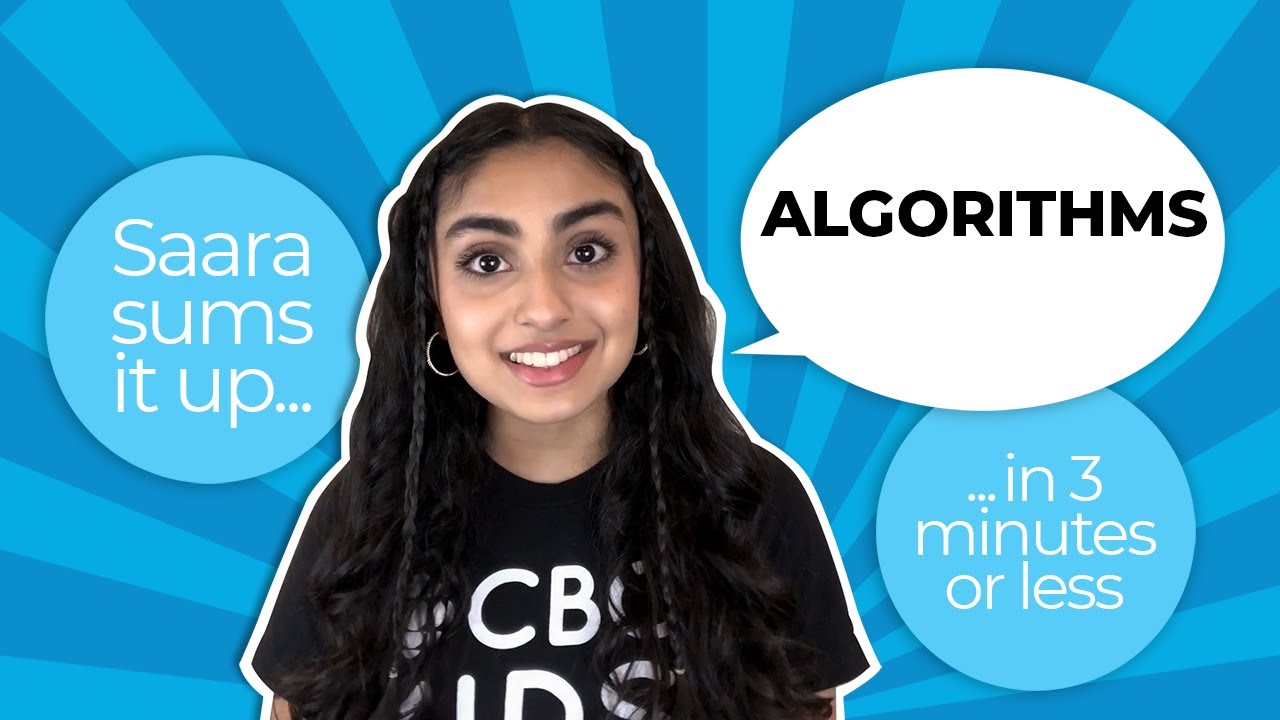
Social media algorithms explained | CBC Kids News
⚡ THE VIBE
✨Social Media Algorithms are the complex, often opaque, computational systems that determine what content you see, when you see it, and how it's prioritized across platforms like TikTok, Instagram, and X, fundamentally shaping our digital experiences and perceptions. They're the secret sauce behind the scroll, constantly learning and adapting to keep you engaged. 🧠📲
§1The Digital Puppet Masters: What Are They?
Imagine a tireless, hyper-intelligent DJ for your digital life, constantly curating the perfect playlist of posts, videos, and ads just for you. That's essentially a social media algorithm. These aren't simple 'if-then' statements; they're sophisticated, often AI-driven systems designed to predict your preferences and maximize your engagement. Every like, share, comment, view duration, and even the speed of your scroll is a data point fed into these complex models. 📊 The goal? To serve up content so compelling, so perfectly aligned with your perceived interests, that you can't help but stay glued to the screen. From your morning news feed on Facebook to your late-night rabbit hole on YouTube, algorithms are the unseen hands guiding your journey. They're not just about showing you what you like; they're about showing you what will keep you there. 🕰️
§2From Chronological Chaos to Personalized Perfection: A Brief History
In the early days of social media, feeds were gloriously, or perhaps chaotically, chronological. You saw posts in the order they were published. Simple, right? But as the sheer volume of content exploded, this model became unsustainable. Missing out on important updates from friends or seeing endless posts from that one person who overshares became common. Enter the algorithm! 🚀
Facebook was an early pioneer, introducing its News Feed algorithm in 2006, evolving significantly by 2009 to prioritize 'meaningful interactions.' Other platforms quickly followed suit. The shift wasn't just about managing volume; it was about personalization. Companies realized that a more relevant feed meant more time spent on the platform, which in turn meant more ad revenue. This transformation marked a pivotal moment, moving from a user-controlled experience to one heavily mediated by machine learning. It was the dawn of the 'filter bubble' and the 'echo chamber,' concepts that would define much of the discourse around social media for decades to come. 🌐
§3The Inner Workings: How the Magic Happens (and Sometimes Backfires)
At their core, social media algorithms are sophisticated prediction engines. They use a cocktail of machine learning techniques, including deep learning and reinforcement learning, to analyze vast datasets of user behavior. Key signals include: your past interactions (what you've liked, shared, commented on), your connections (who you follow, who follows you), content characteristics (type of media, topic, recency), and even your implicit signals (how long you hover over a post, whether you click 'see less'). 🧐
These signals are weighted and fed into models that predict the likelihood you'll engage with a piece of content. The higher the predicted engagement, the higher it ranks in your feed. It's a continuous feedback loop: your interactions train the algorithm, which then refines what it shows you, which then influences your next interactions. This can create incredibly addictive experiences, like TikTok's 'For You Page' which feels uncannily tailored. However, this same mechanism can lead to algorithmic bias, amplifying misinformation, creating echo chambers, and even contributing to mental health challenges by constantly pushing emotionally charged or idealized content. It's a double-edged sword. ⚔️
§4Impact & Influence: Shaping Culture, Commerce, and Cognition
The influence of social media algorithms stretches far beyond your personal feed. They are powerful engines of cultural diffusion, making trends go viral overnight, launching careers for creators, and even dictating what music tops the charts. From the 'TikTok dance' phenomenon to the rapid spread of political discourse, algorithms are the accelerators. ⚡
Economically, they've revolutionized marketing and advertising, allowing for hyper-targeted campaigns that reach specific demographics with unprecedented precision. For businesses, mastering the algorithm is key to visibility and success. But the impact isn't always benign. Algorithms have been implicated in the spread of misinformation and disinformation, contributing to political polarization and societal division. They can create 'filter bubbles' where users are only exposed to information confirming their existing beliefs, making genuine dialogue difficult. Understanding their pervasive influence is crucial for navigating our increasingly digital world. 🌍
§5The Future of the Feed: Control, Transparency, and Regulation
As we move further into the 2020s, the conversation around social media algorithms is shifting dramatically. There's a growing demand for greater transparency from tech companies about how these systems work, and increasing calls for algorithmic accountability. Regulators worldwide are grappling with how to govern these powerful tools, with proposals ranging from mandating 'chronological feed' options to requiring independent audits of algorithmic bias. ⚖️
We're seeing new trends emerge, like 'decentralized social media' where users have more control over their data and content curation, and platforms experimenting with 'topic-based' feeds rather than purely personalized ones. The future might involve a more balanced approach, giving users more agency over their digital experience while still leveraging the power of personalization. The goal is to harness the benefits of algorithmic curation without succumbing to its potential pitfalls. It's a complex challenge, but one that will define the next era of our digital lives. 🔮