The Renaissance
The rebirth that reshaped art, science, and human potential forever! 🎨🔬
Featured partners and sponsors
New advertisers get $25 in ad credits
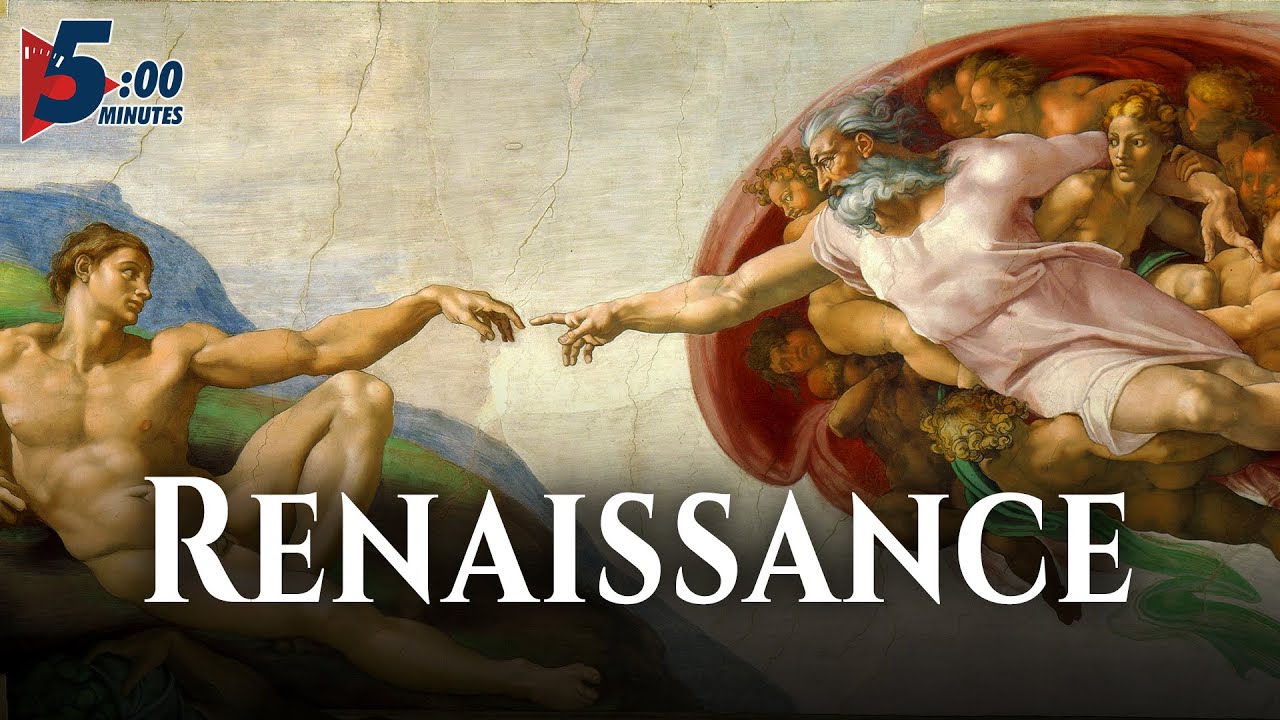
Brief History of the Renaissance | 5 MINUTES
⚡ THE VIBE
✨The Renaissance was a transformative period in European history, marking a profound 'rebirth' of classical learning, art, and philosophy that propelled humanity out of the Middle Ages and into a new era of innovation and enlightenment. It was a time when human creativity knew no bounds, leaving an indelible mark on everything from painting to political thought! ✨
§1What Was the Renaissance, Really? 🤔
Imagine a world slowly emerging from centuries of relative intellectual stagnation, often dubbed the 'Dark Ages.' Then, BAM! 💥 Suddenly, there's an explosion of brilliant minds looking back to the wisdom of Ancient Greece and Ancient Rome, dusting off old texts, and applying their principles to a brand new world. The Renaissance (from the French for 'rebirth') was precisely that: a fervent, widespread cultural movement that spanned roughly from the 14th to the 17th century, primarily in Europe. It wasn't just about pretty paintings; it was a fundamental shift in worldview, placing humanism—the belief in the value and agency of human beings—at its core. This era challenged established norms, celebrated individual achievement, and laid the groundwork for the modern world we inhabit today. It was truly a period of radical change and unprecedented flourishing! 🌟
§2The Spark in Florence: Origins & Evolution 🇮🇹
While its influence spread across Europe, the Renaissance truly ignited in the bustling city-states of Italy, particularly Florence in the 14th century. Why Florence? A perfect storm of factors converged: immense wealth from trade and banking, a powerful merchant class eager to patronize the arts, and a legacy of Roman ruins that served as constant inspiration. Figures like Petrarch are often credited as early humanists, rediscovering classical texts and advocating for a return to their ideals. The Medici family, a dynasty of bankers and politicians, became legendary patrons, funding masterpieces by artists like Leonardo da Vinci and Michelangelo. From Italy, the Renaissance spread north, influencing regions like the Netherlands, France, and England, each adapting its spirit to their unique cultural contexts. It wasn't a sudden burst but a gradual, accelerating wave of innovation! 🌊
§3Art, Science, and the Human Spirit 🖼️🔬
The Renaissance is perhaps most vividly remembered for its breathtaking artistic achievements. Think of the Mona Lisa's enigmatic smile, Michelangelo's awe-inspiring David, or the vibrant frescoes of the Sistine Chapel. Artists mastered perspective, anatomy, and chiaroscuro (light and shadow) to create works of unprecedented realism and emotional depth. But it wasn't just art! This era saw a revolution in scientific inquiry, with figures like Nicolaus Copernicus proposing a heliocentric model of the universe, challenging centuries of geocentric thought. The invention of the printing press by Johannes Gutenberg around 1440 was a true game-changer, democratizing knowledge and accelerating the spread of new ideas across continents. Suddenly, books weren't just for the elite; they were for everyone! 📚 This fusion of artistic brilliance, scientific curiosity, and philosophical depth defined the era. For more on the art of this period, check out the Uffizi Gallery in Florence or the Louvre Museum in Paris.
§4Legacy & Enduring Impact: Why It Still Matters Today 🚀
The Renaissance wasn't just a historical period; it was a paradigm shift that irrevocably altered the course of Western civilization. Its emphasis on individual achievement, critical thinking, and secular inquiry laid the groundwork for the Scientific Revolution and the Enlightenment. The artistic techniques developed during this time continue to influence art education and practice. The humanistic ideals—the belief in human potential, the pursuit of knowledge, and the importance of civic virtue—are still cornerstones of modern democratic societies. Even our understanding of what it means to be a 'well-rounded' individual, a Renaissance Man or Renaissance Woman (someone skilled in multiple fields), stems directly from this period. The echoes of its brilliance resonate in our universities, our museums, and our very way of thinking about the world. It taught us to question, to create, and to reach for the stars! 🌠
§5Controversies and the 'Dark Side' 🌑
While often romanticized, the Renaissance wasn't without its shadows. The immense wealth that fueled its artistic patronage often came from ruthless banking practices, colonialism, and even slavery. The religious fervor that produced masterpieces also fueled brutal conflicts, like the Reformation and the Counter-Reformation, leading to widespread persecution and violence. Furthermore, the 'rebirth' narrative itself has been critiqued by modern historians for potentially overstating the 'darkness' of the preceding Middle Ages and for largely ignoring contributions from non-European cultures. It was a period of incredible progress, yes, but also one of profound social inequality, political intrigue, and intense religious strife. Understanding these complexities gives us a more nuanced, and ultimately richer, picture of this pivotal era. For deeper academic insights, explore resources from the Renaissance Society of America.