The Enlightenment
Igniting the Age of Reason and Revolutionizing Human Thought! 💡
Featured partners and sponsors
New advertisers get $25 in ad credits
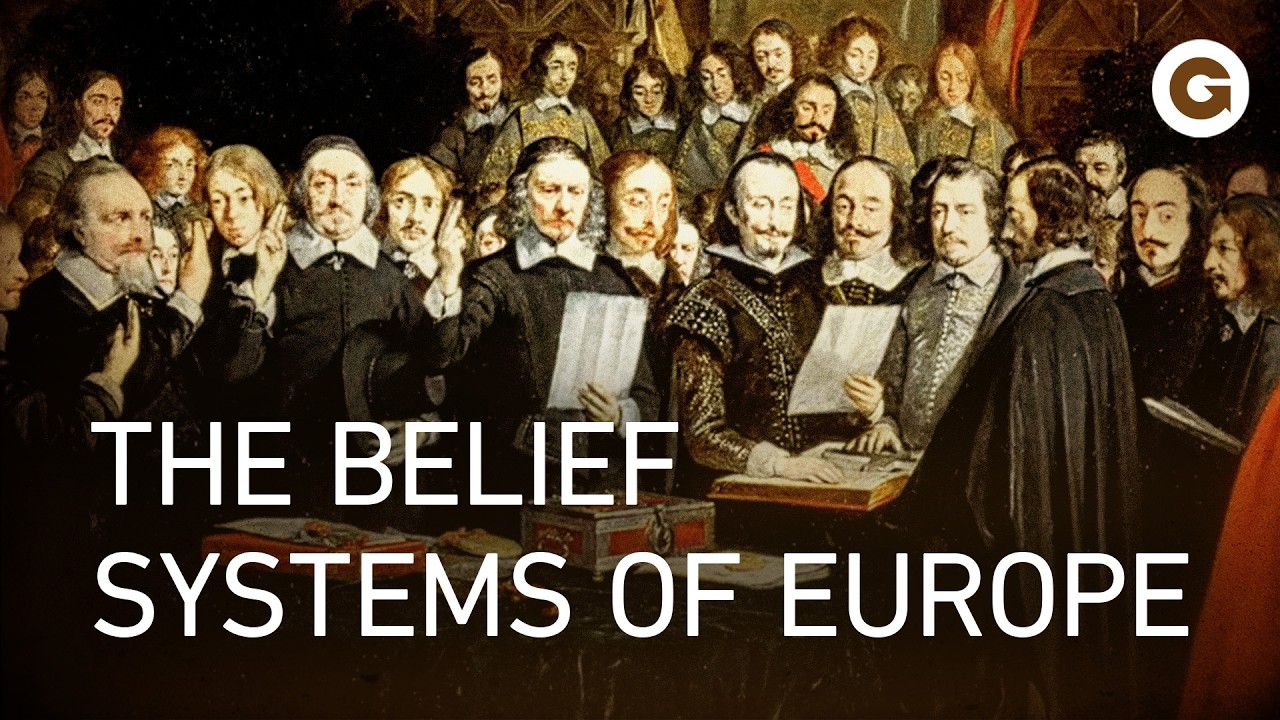
From Gods to Reason: Europe’s Intellectual Awakening | Christopher Clark History Documentary
⚡ THE VIBE
✨The Enlightenment was a revolutionary intellectual and cultural movement that swept across Europe, fundamentally reshaping thought, society, and governance with its unwavering faith in reason and individual liberty. It's the intellectual bedrock of our modern world! 🌍
§1What Was the Enlightenment, Anyway? 🤔
Imagine a world where everything you knew was dictated by ancient texts, religious dogma, and absolute monarchs. Then, suddenly, a wave of thinkers said, "Hold on a minute! What if we used our own reason to figure things out?" That, in a nutshell, was the Enlightenment. It wasn't just a philosophy; it was a vibe shift for an entire continent, pushing humanity to question, explore, and innovate. Think of it as Europe's grand intellectual awakening, a time when the human mind decided to stretch its legs after centuries of slumber. It laid the groundwork for modern democracy, science, and even our understanding of human rights. 🌟
§2The Spark: Origins & Key Thinkers ✍️
While its roots stretch back to the Scientific Revolution of the 16th century, the Enlightenment truly blossomed in the late 17th century. Figures like John Locke in England argued for natural rights and government by consent, profoundly influencing later revolutions. Across the Channel, French philosophes like Voltaire championed freedom of speech and religious tolerance, often at great personal risk. Jean-Jacques Rousseau explored the social contract, while Montesquieu advocated for the separation of powers in government, ideas that would become cornerstones of democratic states. Not to be outdone, Scottish thinkers like David Hume and Adam Smith (yes, the economics guy!) contributed massively to empiricism and modern economic thought. It was a true intellectual powerhouse moment! 🧠
§3Core Ideas & How They Changed Everything 🌍
At its heart, the Enlightenment was about progress through reason. Its core tenets were radical for their time and continue to shape our world today:
- Reason & Rationality: Belief that human reason could solve problems and improve society, replacing superstition and blind faith.
- Individualism: Emphasis on the individual's rights, autonomy, and pursuit of happiness, rather than collective or state control.
- Skepticism: A critical approach to traditional institutions, authority, and received wisdom.
- Science & Empiricism: Valuing observation, experimentation, and evidence as the path to knowledge, building on the legacy of Isaac Newton.
- Human Rights: The concept that all individuals possess inherent rights, regardless of social status or birth. These ideas weren't just abstract; they were the intellectual fuel for revolutions that would literally redraw maps and rewrite laws! 📜
§4Impact & Legacy: From Revolutions to Your Rights ✊
The Enlightenment wasn't just a bunch of smart people having deep thoughts; it was a catalyst for monumental change. Its ideals directly inspired the American Revolution (1776) and the French Revolution (1789), leading to the birth of modern democracies and the widespread adoption of constitutional governments. The emphasis on individual liberty and self-governance continues to resonate in political discourse today. Furthermore, the Enlightenment's push for scientific inquiry paved the way for rapid technological advancements and the modern university system. Every time you vote, express an opinion freely, or benefit from scientific progress, you're experiencing the ripples of this incredible era. It's a testament to the enduring power of ideas! ✨
§5The Darker Side & Modern Critiques 💔
While undeniably transformative, the Enlightenment wasn't without its shadows. Critics point to its inherent biases, particularly its exclusion of women and people of color from its grand vision of universal rights. Many Enlightenment thinkers, despite advocating for liberty, still owned slaves or supported colonial expansion. The emphasis on 'universal reason' also sometimes led to a dismissal of diverse cultural perspectives and spiritual traditions. In the 21st century, we're still grappling with the legacy of these contradictions, striving to build on its strengths while rectifying its historical oversights. It's a complex legacy, reminding us that even the most progressive movements can have blind spots. 🤔