Humanism
Celebrating the human spirit, reason, and our collective potential. 💡
Featured partners and sponsors
New advertisers get $25 in ad credits
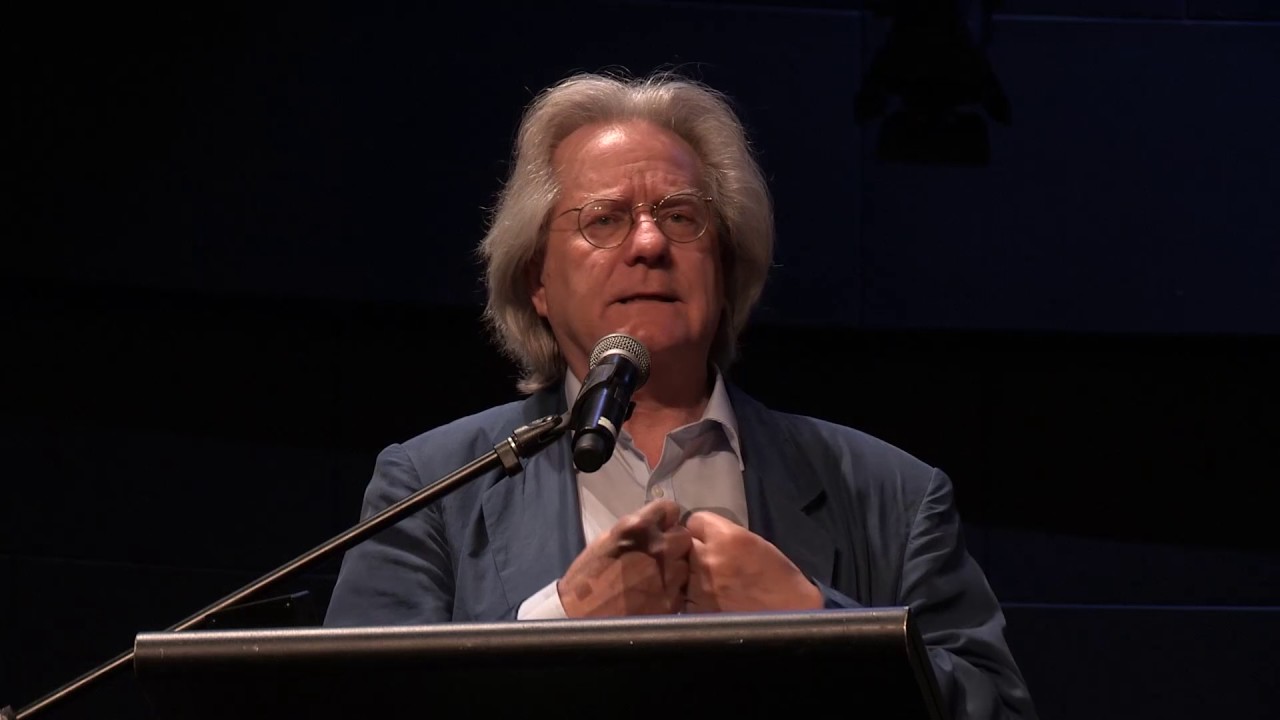
A.C. Grayling: The Origins and Future of Humanism
⚡ THE VIBE
✨Humanism is a philosophical and ethical stance that emphasizes the value and agency of human beings, prioritizing critical thinking and evidence over established doctrine or faith. It's a grand narrative of human potential, responsibility, and the pursuit of a good life here and now. 🌍
§1What Exactly *Is* Humanism? 🤔
At its core, Humanism is a worldview centered on humanity. It's not a religion, though it often provides a similar framework for meaning and ethics. Instead of looking to the divine for answers, Humanism champions human reason, compassion, and our innate capacity for ethical behavior. Think of it as a commitment to understanding the world through science and logic, and then using that understanding to improve human well-being. It's about recognizing that we, as humans, are responsible for creating a just and fulfilling society. 🤝 This perspective encourages us to live full, meaningful lives, contribute to the greater good, and continuously learn and adapt. It’s a powerful call to action for personal and collective betterment. 🚀
§2A Journey Through Time: Humanism's Epic Story 📜
The roots of Humanism stretch back to Ancient Greece, where thinkers like Protagoras famously declared, "Man is the measure of all things." This period saw a flourishing of philosophy, art, and democracy, all driven by a focus on human potential and rational inquiry. Fast forward to the Renaissance (14th-17th centuries) in Europe, and Humanism experienced a spectacular rebirth. Scholars like Petrarch and Erasmus rediscovered classical texts, shifting focus from purely theological concerns to human achievements, literature, and art. This was a radical departure, paving the way for the Enlightenment and the scientific revolution. 💡 Modern Humanism, often termed Secular Humanism, emerged more formally in the 19th and 20th centuries, explicitly advocating for a non-theistic ethical framework grounded in scientific understanding and universal human rights. It’s a lineage of thought that has continuously evolved, adapting to new knowledge while holding firm to its core principles. 🌟
§3Core Tenets: The Humanist Playbook for Life 📖
So, what does a Humanist actually believe or do? It's less about rigid doctrines and more about a set of guiding principles. Here are some key ones:
- Reason & Empiricism: Humanists value scientific inquiry, critical thinking, and evidence-based knowledge as the best way to understand the universe and solve problems. No blind faith here! 🔬
- Ethics & Compassion: Morality is seen as arising from human experience and empathy, not divine command. The goal is to maximize human flourishing and minimize suffering. Think kindness, fairness, and mutual respect. ❤️
- Individual Dignity & Freedom: Every person has inherent worth and the right to self-determination, freedom of thought, and expression. Diversity is celebrated! 🌈
- Social Responsibility: We have a collective duty to work towards a just, peaceful, and sustainable world for everyone. This includes advocating for human rights, social justice, and environmental stewardship. 🌱
- Personal Growth & Fulfillment: Life is about learning, creating, and finding joy. Humanists encourage cultivating one's talents, pursuing knowledge, and living a meaningful life. 🎨
These principles aren't just abstract ideas; they're a practical guide for navigating the complexities of modern life. They empower individuals to take ownership of their lives and contribute positively to society. 💪
§4Impact & Influence: Shaping Our World 🌐
The influence of Humanism is truly pervasive, even if you don't always see its label. It's the bedrock of many of our most cherished institutions and ideals. Think about the emphasis on education and critical thinking in modern schooling, the push for universal human rights enshrined in international law, or the very concept of democracy where citizens have agency. Humanist ideals have fueled movements for social justice, advocated for scientific progress, and inspired countless works of art and literature that celebrate the human spirit. 🎭 It's the quiet force behind our drive to explore space, cure diseases, and build more equitable societies. Without the Humanist turn, our world would likely be a very different, and arguably less enlightened, place. It's a testament to the enduring power of placing humanity at the center of our concerns. 🌟
§5Humanism in 2026: A Guiding Light for the Future 🔮
In a world grappling with complex challenges like climate change, technological ethics, and global inequalities, Humanism offers a vital framework. It calls us to use our collective intelligence and compassion to find solutions, rather than succumbing to despair or divisive ideologies. The rise of AI ethics, the ongoing debates around data privacy, and the urgent need for sustainable development all echo Humanist concerns about human well-being and responsible innovation. Humanism encourages a proactive, evidence-based approach to these issues, reminding us that we have the capacity – and the responsibility – to shape a better future. It’s a philosophy that feels more relevant than ever, urging us to embrace our shared humanity and work together for a thriving planet. Let's keep building that future, one rational, compassionate step at a time! 🚀🌱