Main Character Syndrome
When life's a movie and you're the star, whether you like it or not.
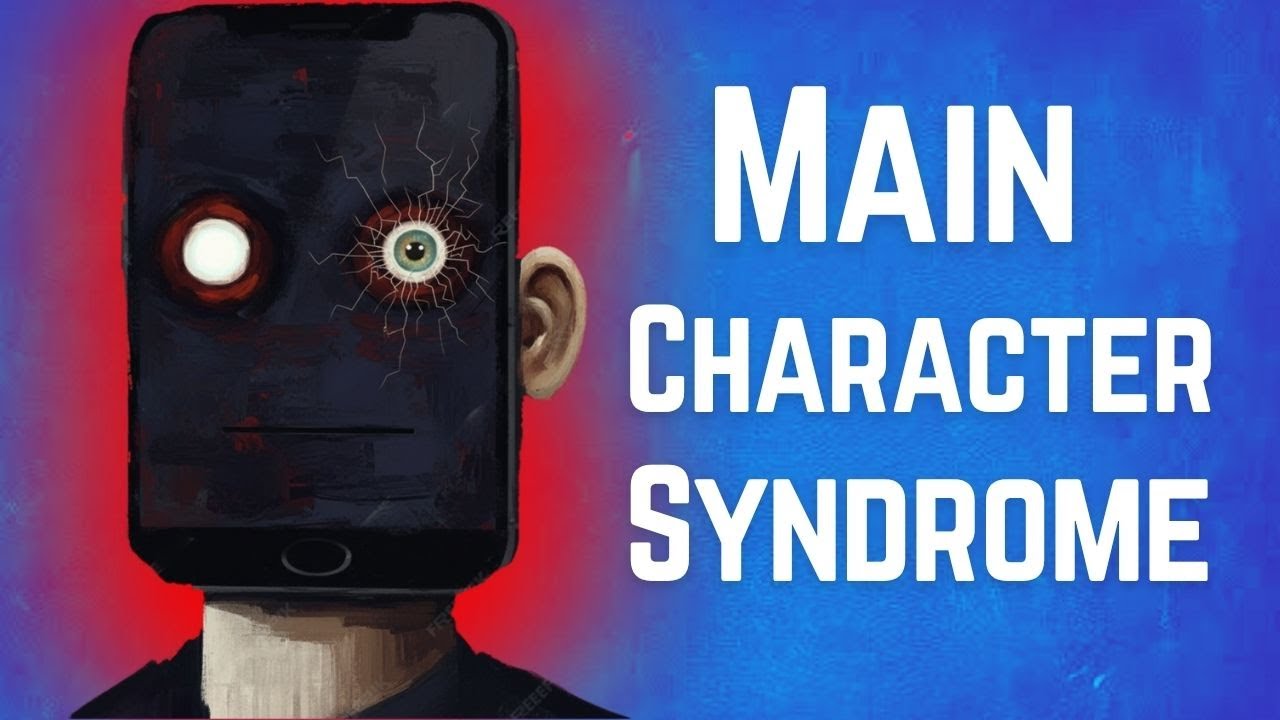
The Psychology of People With Main Character Syndrome
TL;DR
Main Character Syndrome describes the phenomenon where individuals perceive their lives, and often the world around them, as a grand narrative with themselves at its epicentre, much like the protagonist of a film or novel.
Ah, Main Character Syndrome (MCS) – a concept that exploded from the digital ether of TikTok in the early 2020s and quickly became an inescapable lens through which we view self-perception in the social media age. It's not a clinical diagnosis, mind you, but a cultural phenomenon, a collective 'aha!' moment that articulated a feeling many had but couldn't quite name. At its core, MCS is the tendency to frame one's experiences, emotions, and even mundane daily activities as part of an overarching, dramatic, and deeply personal narrative, often accompanied by a curated aesthetic or soundtrack.
The origin story of MCS is pure 21st-century folklore. Picture this: 2019, the dawn of TikTok's global dominance. Users began sharing short, cinematic clips of themselves living their best lives, often set to poignant music, framed as if they were scenes from an indie film. 'You are the main character' became a mantra, a call to embrace individuality and romanticize one's existence. It was a powerful antidote to the anonymity of the crowd, a way to reclaim agency in an increasingly overwhelming world. But like any good plot twist, this empowering narrative had its shadow side.
While initially a celebration of self-love and intentional living, the concept quickly revealed its dual nature. On one hand, it encouraged mindfulness, aesthetic appreciation, and a proactive approach to one's life story. On the other, it could foster a heightened sense of self-importance, a performative existence driven by external validation, and a profound disconnect from the realities and perspectives of others. When everyone's the main character, who's left to be the supporting cast, or, heaven forbid, an extra?
The psychology behind MCS is fascinating. It taps into our innate human desire for meaning, purpose, and narrative coherence. Our brains are wired to create stories to make sense of the world, and what better story than the one where we are the hero? Social media amplified this, providing platforms where we could literally 'direct' our own life's movie, complete with filters, soundtracks, and an audience. In 2026, as AI-driven content generation blurs the lines between reality and curated experience, understanding MCS becomes even more crucial for navigating our digital identities.
So, is Main Character Syndrome a healthy form of self-expression or a narcissistic trap? The answer, like any compelling narrative, is complex. It's a spectrum. Embracing your 'main character energy' can be a powerful tool for self-actualization, motivating you to pursue goals and live authentically. However, when it devolves into a solipsistic worldview where others exist merely to advance your plot, or where every minor inconvenience becomes a dramatic obstacle in your epic saga, it can lead to isolation and a skewed perception of reality. The key lies in balancing self-focus with empathy and the recognition that everyone else is also the main character of their own intricate, equally important story.
Ultimately, Main Character Syndrome is more than just a TikTok trend; it's a cultural mirror reflecting our collective anxieties and aspirations in an increasingly interconnected yet individualized world. It’s about the eternal human quest for significance, played out on the grand stage of the internet, reminding us that while our personal narratives are vital, they are always interwoven with the countless other stories unfolding around us.