Performative Activism
When advocacy becomes a spectacle, not a solution.
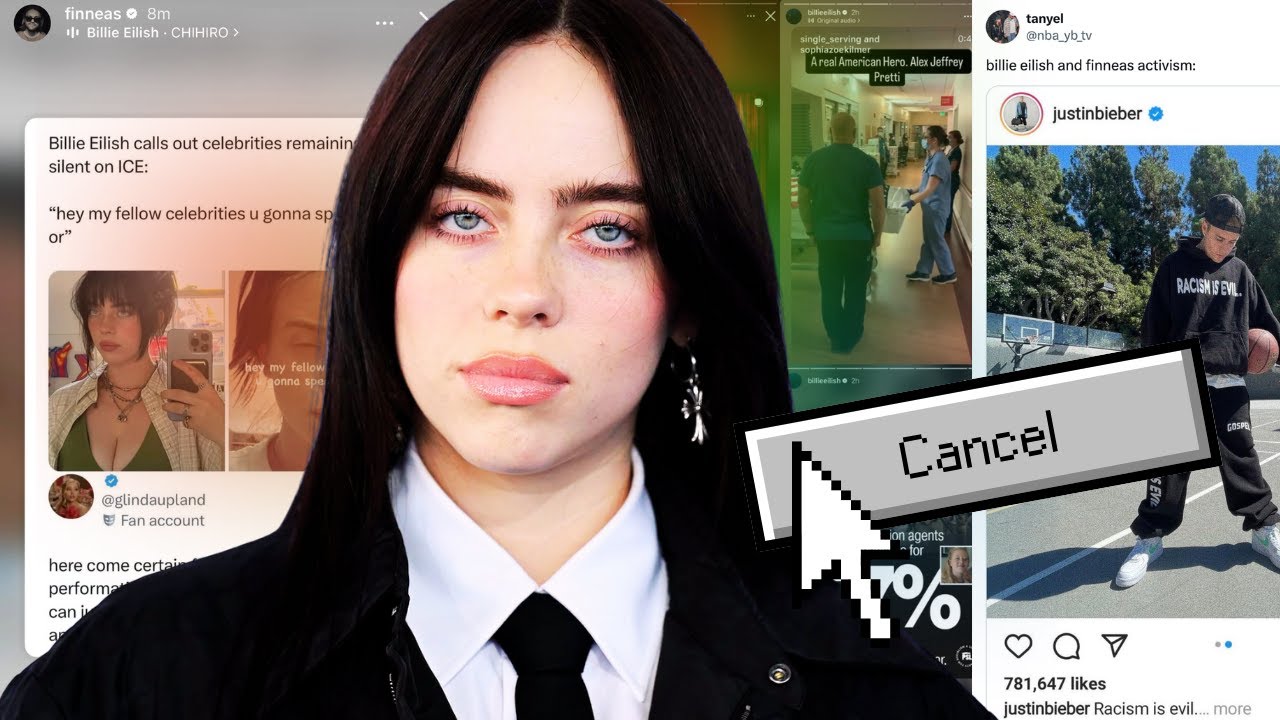
The Billie Eilish "Performative Activism" Drama, Explained.
TL;DR
Performative activism describes actions taken to signal one's moral alignment or social consciousness, often on public platforms, without genuine commitment to systemic change or impactful action.
Ah, performative activism. It's the digital-age phenomenon that has us all collectively sighing, wincing, and occasionally, rolling our eyes. At its core, it's the act of showing support for a social cause primarily to boost one's own image or social standing, rather than to genuinely advance the cause itself. Think of it as activism for the 'gram, where the optics often overshadow the actual impact. While the term gained significant traction in the 2010s with the rise of social media, its roots can be traced back to earlier forms of 'slacktivism' or 'virtue signaling,' but the ubiquity of platforms like Instagram, X (formerly Twitter), and TikTok has amplified its reach and visibility to unprecedented levels.
The hallmark of performative activism often lies in its superficiality. It might manifest as a black square posted during a moment of racial injustice, a trending hashtag shared without understanding its context, or a brand changing its logo to a rainbow flag during Pride Month without any demonstrable internal policy changes or support for LGBTQ+ organizations. The intent, or lack thereof, is key here. While genuine activists are mobilizing, organizing, and advocating for tangible policy shifts or community support, the performative activist is often content with the digital applause, the 'likes,' and the affirmation that they are 'one of the good ones' without venturing beyond the screen.
One of the most insidious aspects of performative activism is its potential to dilute genuine movements. When every major event or injustice is met with a deluge of surface-level solidarity, it can create a false sense of progress, making it harder to distinguish between meaningful engagement and empty gestures. It can also exhaust audiences, leading to 'activism fatigue,' where the constant stream of urgent calls to action, many of which are purely symbolic, blurs the lines and makes people less responsive to truly critical moments. This isn't to say that online solidarity is inherently bad; it's the *sole reliance* on it, devoid of deeper commitment, that defines the performative.
The cultural landscape of 2026 sees an ongoing debate around this concept. Brands, celebrities, and even everyday individuals are constantly scrutinized for their public displays of alignment with social causes. The public has become increasingly savvy at sniffing out inauthenticity, leading to 'call-out culture' where performative acts are quickly identified and criticized. This dynamic has pushed some to be more thoughtful in their engagement, while others continue to navigate the precarious tightrope between genuine advocacy and the desire to be seen as socially conscious.
Ultimately, performative activism serves as a fascinating, if frustrating, mirror to our digital society. It highlights the tension between individual identity construction and collective action, between the desire to belong and the imperative to make a difference. Understanding it isn't about shaming individuals, but rather about encouraging a deeper, more impactful engagement with the world's most pressing issues, moving beyond the fleeting glow of a screen to the often messy, but profoundly necessary, work of real change.