Parasocial Relationships
The one-sided bond with the digital faces we feel we 'know'.
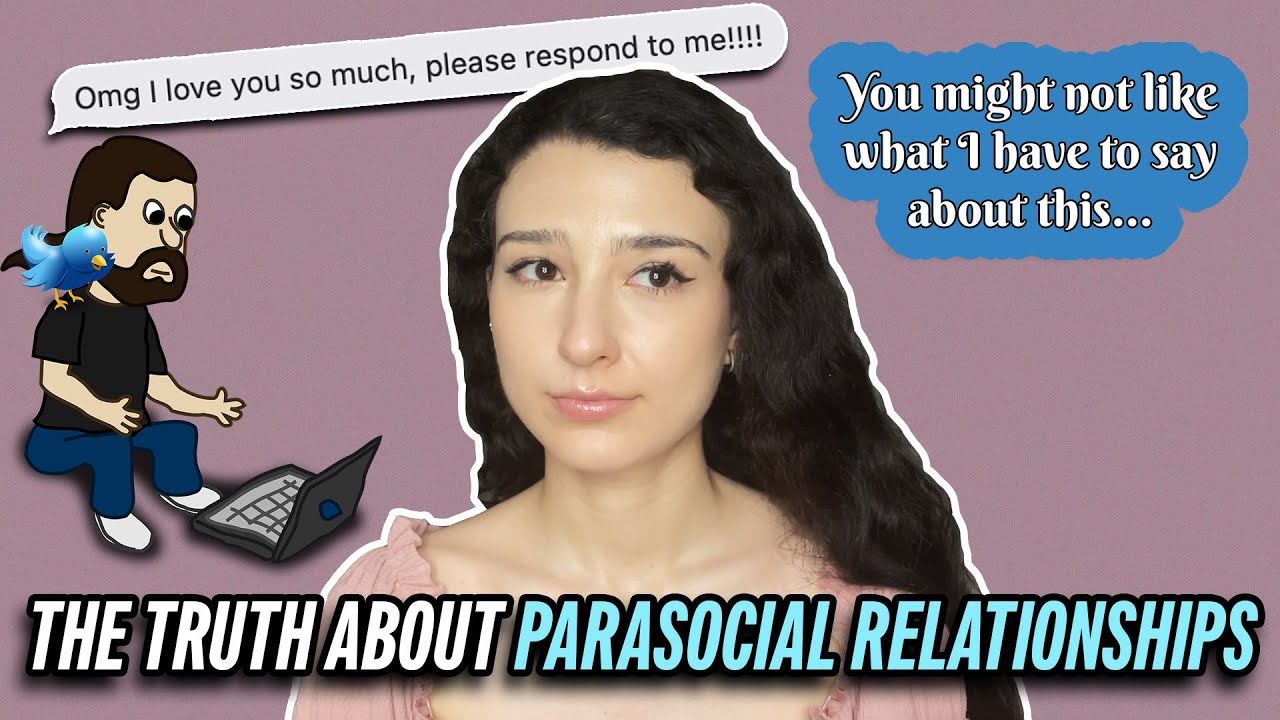
The truth about parasocial relationships
TL;DR
Parasocial relationships describe the psychological, one-sided bonds individuals form with media figures, fictional characters, or even AI, where the viewer or fan invests emotional energy without any reciprocal interaction.
Imagine feeling a genuine connection to your favorite streamer, a deep understanding of a fictional character's struggles, or even a sense of camaraderie with a historical figure you've only read about. Welcome to the captivating, often complex world of parasocial relationships. First coined by Donald Horton and Richard Wohl in 1956, this concept emerged as television brought personalities directly into living rooms, creating an illusion of intimacy and familiarity that defied the actual distance and lack of mutual interaction. It's not just admiration; it's a perceived friendship, a bond where one party knows everything about the other (or at least, what's presented), while the other remains blissfully unaware.
Initially observed with TV personalities and movie stars, the digital age has turbocharged the phenomenon. Social media platforms, live streaming, and the rise of 'influencers' have blurred the lines between public persona and private individual, making parasocial interactions more pervasive and intense than ever. Creators often cultivate an 'authentic' image, sharing personal anecdotes and directly addressing their audience, which inadvertently fosters an even stronger illusion of intimacy. This isn't necessarily a bad thing; for many, these connections provide comfort, companionship, and a sense of belonging, especially in an increasingly fragmented world. It's a psychological shortcut to social connection, offering the benefits of relationship without the messy bits of reciprocity.
However, the one-sided nature of parasocial relationships can also lead to unique challenges. When a beloved figure makes a mistake, changes their content, or simply moves on, the 'breakup' can feel genuinely devastating for the parasocial partner. There's a fine line between healthy engagement and an unhealthy obsession, where the imagined relationship starts to overshadow real-world interactions. The emotional investment can be significant, leading to feelings of betrayal, jealousy, or even a sense of entitlement over the public figure's life choices. In 2026, with AI companions and virtual idols becoming increasingly sophisticated, the boundaries of what constitutes a 'relationship' are being stretched further than Horton and Wohl could have ever imagined.
The societal impact is profound. Parasocial relationships can drive massive fan communities, fuel entire industries (think merchandise, fan conventions, Patreon subscriptions), and even influence political discourse. When millions feel a personal connection to a public figure, their collective voice can become a powerful force. Yet, it also highlights a growing human need for connection, perhaps unmet in traditional social structures. Understanding these dynamics is crucial not just for media studies, but for anyone navigating the intricate web of modern communication and identity in the digital sphere.
Ultimately, parasocial relationships are a testament to the human brain's incredible capacity for empathy and connection, even in the absence of true interaction. They are a mirror reflecting our desires for belonging, understanding, and shared experience, projected onto the vibrant, ever-expanding tapestry of media and digital personas. So next time you feel a pang of familiarity with a celebrity or a fictional character, remember: you're not alone in that feeling, and you're part of a fascinating, deeply human phenomenon.