Self-Care Culture
Beyond bath bombs: Unpacking the phenomenon of intentional well-being.
Featured partners and sponsors
New advertisers get $25 in ad credits
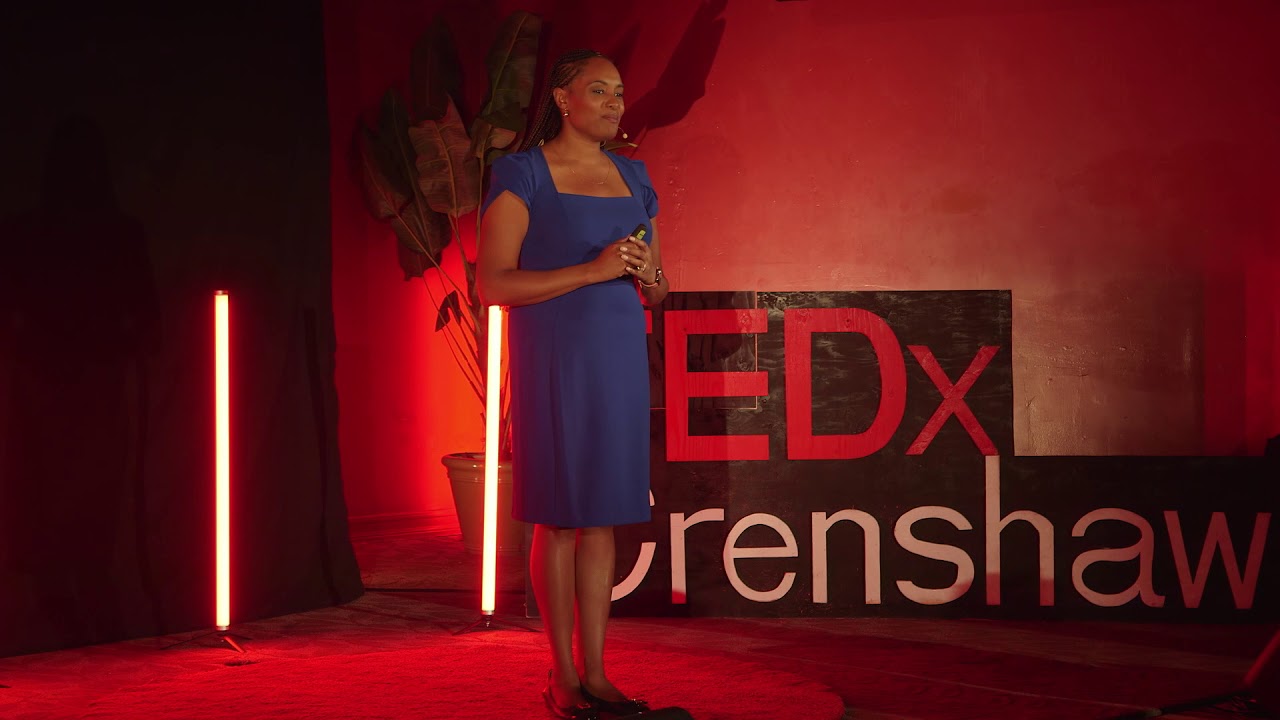
The Missing Ingredient in Self Care | Portia Jackson-Preston | TEDxCrenshaw
⚡ THE VIBE
✨Self-Care Culture is the pervasive modern emphasis on practices and products designed to promote individual well-being, evolving from radical political acts into a multi-billion dollar industry often critiqued for its commercialization and individualistic focus. It's a fascinating mirror reflecting our collective anxieties and aspirations in the 21st century. 🛀✨
§1What is Self-Care Culture, Anyway? 🤔
In 2026, 'self-care' is a term almost universally understood, yet its culture is a complex tapestry woven from personal well-being practices, consumer trends, and societal pressures. At its core, Self-Care Culture refers to the widespread adoption and promotion of activities intended to nurture one's mental, emotional, and physical health, often framed as a necessary antidote to the stresses of modern life. Think beyond just a relaxing evening; it encompasses everything from mindful meditation apps to elaborate skincare routines, from therapy sessions to 'digital detoxes.' It's about consciously dedicating time and resources to oneself, often in response to feelings of burnout or overwhelm. While the idea of caring for oneself isn't new, the 'culture' part signifies its mainstreaming, commercialization, and the social discourse surrounding it. 🌿🧘♀️
§2From Radical Act to Retail Therapy: A Brief History 🕰️
The roots of modern self-care are surprisingly radical. The concept gained prominence in the 1960s and 70s, particularly within the Civil Rights Movement and Feminist Movements. For marginalized groups, self-care wasn't about luxury; it was a survival strategy against systemic oppression and burnout. Figures like Audre Lorde famously declared, "Caring for myself is not self-indulgence, it is self-preservation, and that is an act of political warfare." Fast forward to the 2010s, and self-care exploded into the mainstream, fueled by social media, wellness influencers, and a growing awareness of mental health. The rise of hustle culture and the always-on nature of digital life created a fertile ground for self-care to flourish, transforming it from a political imperative into a personal pursuit, often marketed through products and services. 🚀🛍️
§3The Mechanics of Modern Self-Care: Trends & Technologies 💡
Today's Self-Care Culture is incredibly diverse, leveraging cutting-edge technology and ancient practices alike. We see a boom in wellness apps for meditation (like Calm and Headspace), sleep tracking, and mood journaling. The beauty industry has fully embraced self-care, with elaborate skincare routines, 'masking' rituals, and 'clean beauty' products positioned as acts of self-love. Beyond consumption, there's a strong emphasis on practices like mindfulness, yoga, journaling, and setting healthy boundaries. The pandemic years of the early 2020s further cemented self-care as a vital coping mechanism, with people seeking comfort and control amidst unprecedented uncertainty. From weighted blankets to sound baths, the options for 'caring for oneself' are seemingly endless, creating a vibrant, if sometimes overwhelming, marketplace. 📱💆♀️
§4Impact & Controversies: The Double-Edged Sword ⚔️
The impact of Self-Care Culture is undeniably mixed. On the positive side, it has significantly destigmatized mental health conversations, encouraging more people to prioritize their well-being and seek help. It promotes mindfulness, stress reduction, and a greater awareness of personal limits. However, critics argue that the culture has become overly commercialized and individualized. The focus often shifts from systemic issues to personal responsibility, implying that if you're stressed, you just need more expensive bath bombs or a new wellness retreat, rather than addressing workplace pressures or societal inequalities. This can lead to 'toxic positivity' and a sense of guilt for those who can't afford or access certain self-care practices. Furthermore, the constant pressure to 'optimize' one's well-being can ironically add more stress, creating a new form of performance anxiety. It's a complex dance between genuine well-being and consumerist expectations. 💸🤔
§5The Future of Feeling Good: What's Next? 🔮
As we navigate 2026, Self-Care Culture continues to evolve. We're seeing a push for more accessible and inclusive forms of self-care, moving away from purely consumerist models towards community-based initiatives and structural changes. There's a growing recognition that true well-being often requires collective action, not just individual effort. Concepts like 'collective care' and 'mutual aid' are gaining traction, emphasizing shared responsibility and support systems. The integration of AI in personalized wellness plans and mental health support is also on the horizon, promising tailored approaches to well-being. Ultimately, the future of self-care will likely involve a more nuanced understanding: one that blends personal responsibility with systemic support, acknowledging that while a good cup of tea helps, sometimes what we really need is a more just and equitable world. 🌍💖