Haruhiko Kuroda
The Architect of Abenomics' Bold Monetary Experiment 🇯🇵
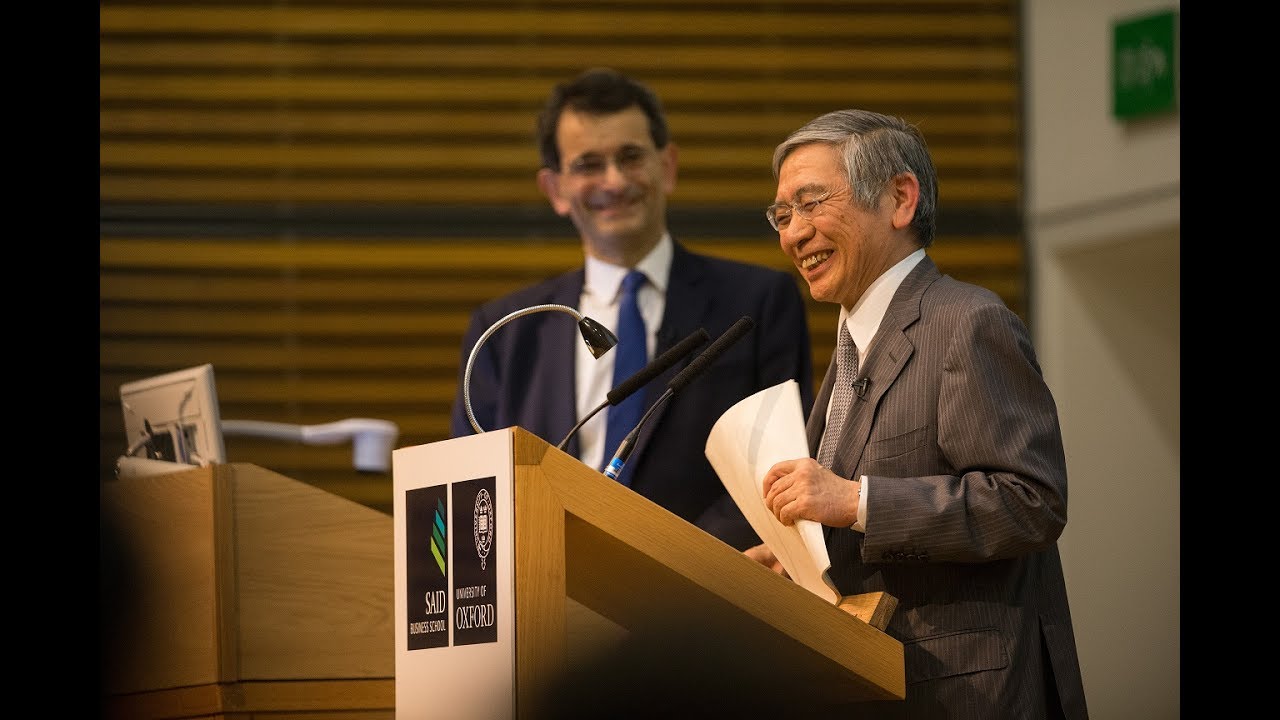
Governor Haruhiko Kuroda: The role of expectations in central bank monetary policy
⚡ THE VIBE
✨Haruhiko Kuroda, a towering figure in global finance, served as the 31st Governor of the Bank of Japan, orchestrating an unprecedented era of monetary easing known as 'Kurodanomics' to combat decades of deflation. His tenure was a masterclass in economic policy, leaving an indelible mark on Japan and the world.
§1The Rise of a Monetary Maverick 🚀
Born in 1944, Haruhiko Kuroda's journey through Japan's financial landscape began with a distinguished career at the Ministry of Finance (MoF) after graduating from the University of Tokyo and earning a Master's from Oxford University. He was known for his sharp intellect and pragmatic approach, rising through the ranks to become Vice Minister of Finance for International Affairs – a crucial role where he navigated complex global economic challenges and currency interventions. This early experience forged his understanding of international markets and the intricate dance between fiscal and monetary policy, setting the stage for his later, more audacious moves. His early career was marked by a deep commitment to Japan's economic stability, even as the nation grappled with the aftermath of its 'bubble economy' burst. He was always one to challenge conventional wisdom, a trait that would define his legacy. 💡
§2Kurodanomics: A Bold Experiment 🇯🇵
In 2013, Kuroda took the helm of the Bank of Japan (BOJ) with a clear, ambitious mandate: conquer deflation that had plagued Japan for decades. He launched a massive quantitative and qualitative monetary easing (QQE) program, a radical departure from previous BOJ policies. This involved unprecedented asset purchases, pushing the BOJ's balance sheet to staggering levels, and later, the introduction of negative interest rates and a yield curve control (YCC) policy targeting long-term government bond yields. The goal was to achieve a 2% inflation target, injecting a jolt of energy into a stagnant economy. This wasn't just about numbers; it was about changing the psychology of a nation, convincing businesses and consumers that prices would rise, thereby encouraging spending and investment. It was a high-stakes gamble, watched closely by central bankers worldwide. 🎲
§4Legacy and Global Impact 🌍
Haruhiko Kuroda's legacy is complex and multifaceted. He undeniably broke the mold of central banking, pushing the boundaries of monetary policy further than almost any other major central bank governor. While the 2% inflation target was only sustainably achieved towards the very end of his term, his policies did stabilize the economy, boost corporate profits, and significantly reduce unemployment. His innovative use of yield curve control, in particular, became a subject of intense academic and policy discussion globally. He demonstrated that central banks have immense power, but also highlighted the limitations of monetary policy alone in addressing structural economic issues. His era will be studied for decades as a pivotal chapter in the history of modern economics and central banking, influencing future generations of policymakers grappling with low growth and inflation challenges. 🌟
§5The Man Behind the Policy 🧐
Beyond the headlines and economic jargon, Kuroda was known for his calm demeanor and clear communication, even when discussing highly technical subjects. He was a prolific writer and speaker, articulating his vision for Japan's economy with conviction. His personal journey, from a promising bureaucrat to a global economic leader, reflects a deep dedication to public service. While his policies generated significant debate, his intellectual honesty and unwavering focus on his goals earned him respect across the political spectrum. He often emphasized the importance of a 'virtuous cycle' where monetary easing would lead to higher wages, increased consumption, and sustained economic growth. His retirement marked the end of an extraordinary chapter, but the ripple effects of his 'Great Experiment' continue to shape Japan's economic trajectory. ✨