Quantitative and Qualitative Easing
The Central Bank's Secret Sauce for Steering the Global Economy 🚀
Featured partners and sponsors
New advertisers get $25 in ad credits
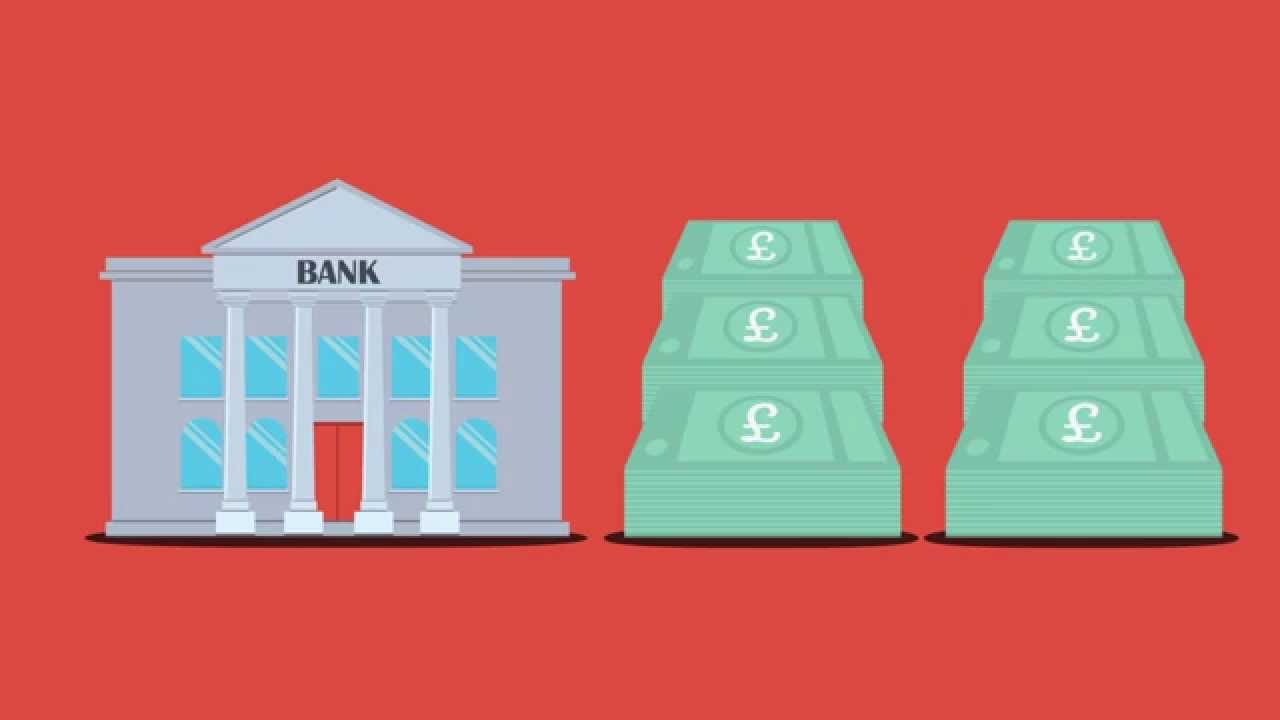
Economics explainer: What is Quantitative Easing?
⚡ THE VIBE
✨Dive into the fascinating world of Quantitative Easing (QE) and Qualitative Easing (QQE), the powerful, often misunderstood, tools central banks wield to steer economies through turbulent waters, influencing everything from interest rates to your mortgage payments. 💰
§1The Economic Lifeline: What Are They?
Imagine the global economy as a massive, intricate machine. Sometimes, it sputters, grinds to a halt, or simply needs a serious jolt of energy. That's where Quantitative Easing (QE) and Qualitative Easing (QLE) come in! 🛠️ These aren't just fancy financial terms; they're the heavy artillery in a central bank's arsenal, designed to stimulate economic activity when traditional methods (like adjusting interest rates) aren't enough. QE involves a central bank buying large quantities of government bonds or other financial assets from commercial banks, effectively flooding the financial system with cash. Think of it as printing money, but with a sophisticated twist – it's more about creating digital reserves. QLE, on the other hand, is less about the quantity of assets purchased and more about the type of assets, often focusing on riskier or longer-term securities to target specific market segments. Both aim to lower long-term interest rates and encourage lending and investment. 💰
§2Birth of a Behemoth: Origins & Evolution
While the concept of central banks intervening in markets isn't new, the modern era of Quantitative Easing truly kicked off in response to the devastating Global Financial Crisis of 2008. When interest rates hit rock bottom (the 'zero lower bound'), central banks like the Federal Reserve in the US, the Bank of England, and the European Central Bank needed a new playbook. Japan's central bank had experimented with similar policies in the early 2000s, but 2008 saw QE go global. 🌍 Qualitative Easing often emerged as a refinement, particularly during the Eurozone Crisis, where targeting specific distressed assets became crucial. These policies were born out of necessity, a desperate attempt to prevent a complete economic collapse and kickstart growth when all other engines had stalled. It was a bold, unprecedented step that reshaped monetary policy forever. 📈
§3How the Magic Happens: Mechanisms & Impact
So, how do these colossal programs actually work their magic? When a central bank buys bonds from commercial banks, it increases the banks' reserves. This doesn't directly put cash in your pocket, but it makes it easier and cheaper for banks to lend money to businesses and consumers. Lower interest rates mean cheaper mortgages, cheaper business loans, and theoretically, more spending and investment. 🏡🏭 For Quantitative Easing, the sheer volume of purchases drives down bond yields, pushing down other long-term rates. Qualitative Easing takes a more surgical approach, targeting specific assets – perhaps mortgage-backed securities during a housing crisis – to unfreeze particular credit markets. The hoped-for outcomes? Increased investment, job creation, and a boost to inflation (if it's too low). It's a delicate balancing act, like steering a supertanker through a storm! 🚢
§4The Great Debate: Controversies & Consequences
While often credited with averting deeper economic catastrophes, QE and QLE are far from universally loved. Critics often point to several key concerns: 🧐
- Inflation Risk: Flooding the economy with money could lead to runaway inflation, eroding purchasing power. However, post-2008, this largely didn't materialize as feared, until the unique supply-side shocks of the 2020s.
- Asset Bubbles: By driving down interest rates, these policies can inflate asset prices (stocks, real estate), creating bubbles that could burst and lead to new crises. 📉
- Wealth Inequality: The primary beneficiaries of rising asset prices are often those who own them, potentially exacerbating the gap between the rich and the poor. ⚖️
- 'Moral Hazard': Some argue that QE bails out irresponsible financial institutions, encouraging risky behavior in the future.
- 'Exit Strategy': Unwinding these massive balance sheets (known as Quantitative Tightening) is a complex, uncharted territory, fraught with its own risks. The debate continues to rage in economic circles, highlighting the profound impact these tools have on society. 🗣️
§5The Future of Monetary Policy: Beyond 2026
As we navigate the mid-2020s, the legacy and future of Quantitative and Qualitative Easing remain central to economic discourse. The COVID-19 pandemic saw central banks worldwide deploy these tools with unprecedented speed and scale, further cementing their role as critical crisis management instruments. 🦠 However, the subsequent surge in inflation has sparked intense debate about their long-term effects and the appropriate timing for their withdrawal. Economists are now grappling with how to refine these policies, considering factors like climate change finance and digital currencies, which could introduce new dimensions to central bank interventions. 🌐 Will we see 'Green QE' or 'Digital QE' in the future? One thing is certain: the era of central banks as passive observers is long over. They are active, powerful players, constantly adapting their strategies to the ever-shifting sands of the global economy. Their decisions echo through our daily lives, influencing everything from job markets to the cost of your morning coffee. ☕ The journey of these powerful tools is far from over! 🌟