Yield Curve Control
The central bank's secret weapon to tame interest rates and steer the economy! 🚀
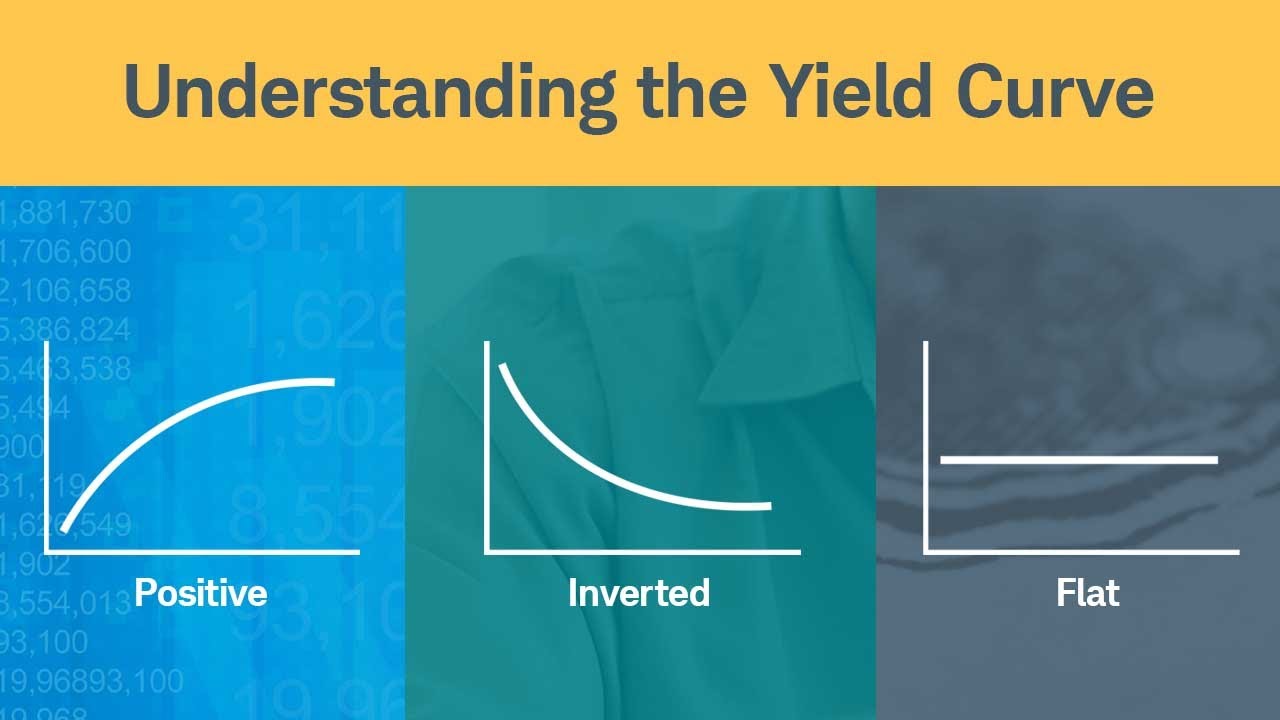
Understanding the Yield Curve
⚡ THE VIBE
✨Yield Curve Control (YCC) is a powerful, albeit controversial, monetary policy tool where a central bank directly targets and caps specific government bond yields, effectively dictating the cost of borrowing for the entire economy. It's like a financial thermostat, aiming to keep long-term rates exactly where policymakers want them. 🎯
§1What is Yield Curve Control? 📈
Imagine the yield curve as a financial roadmap, showing the interest rates (yields) for government bonds of different maturities, from short-term bills to long-term bonds. Normally, this curve is shaped by market forces, reflecting expectations for inflation, economic growth, and future interest rates. But with Yield Curve Control (YCC), a central bank steps in and says, "Not so fast!" 🛑 They commit to buying whatever amount of bonds is necessary to keep the yield of a specific maturity (e.g., the 10-year Treasury) at or below a predetermined target. This isn't just about influencing rates; it's about fixing them. It's a more aggressive cousin to Quantitative Easing, which focuses on quantity of bonds purchased, while YCC focuses on price (and thus yield) of bonds. The goal? To lower borrowing costs, stimulate investment, and combat deflation or economic stagnation. Think of it as a central bank saying, "We will keep the cost of money cheap, come hell or high water!" 🌊
§2A Blast from the Past: YCC's Storied History 🕰️
While it sounds like a futuristic financial maneuver, YCC actually has deep historical roots! Its most famous early application was by the U.S. Federal Reserve during and after World War II, from 1942 to 1951. The Fed capped the yield on long-term Treasury bonds at 2.5% to help finance the massive war effort and keep government borrowing costs low. This policy, though effective in its time, eventually led to inflationary pressures and was abandoned with the 1951 Treasury-Fed Accord, marking a crucial step towards central bank independence. Fast forward to the 21st century, and the Bank of Japan (BoJ) resurrected YCC in 2016 as part of its desperate fight against persistent deflation and an aging economy. The BoJ initially targeted the 10-year Japanese government bond (JGB) yield at around 0%, later allowing it to fluctuate within a narrow band. This modern revival has put YCC back on the global economic radar, prompting other central banks to consider it during periods of extreme economic stress. It's a testament to the idea that sometimes, old solutions get a fresh coat of paint! ✨
§3How It Works: The Mechanics of Market Manipulation (for Good!) ⚙️
The core mechanism of YCC is deceptively simple: credible commitment. The central bank publicly announces a target yield for a specific bond maturity. If market forces push the yield above that target, the central bank intervenes by buying those bonds in unlimited quantities, driving their price up and their yield down. Conversely, if yields fall below the target (less common but possible), the central bank might sell bonds or reduce its purchases. The magic, however, often lies in the threat of intervention. If market participants believe the central bank's commitment is ironclad, they might not even try to push yields beyond the target, making actual purchases less frequent. This creates a powerful signaling channel, influencing market expectations and long-term interest rates. It's a high-stakes game of chicken between the central bank and the bond market, where the central bank usually holds the bigger stick. 🛡️ The aim is to ensure that the entire spectrum of interest rates, from mortgages to corporate loans, remains low and predictable, encouraging investment and consumption. 💰
§4The High Stakes: Pros, Cons, and Controversies ⚖️
YCC is a powerful tool, but like any potent medicine, it comes with significant side effects and debates. On the pro side, it offers:
- Precise Control: Unlike QE, which influences rates indirectly, YCC directly anchors specific yields.
- Enhanced Forward Guidance: It provides a clear signal about the central bank's commitment to low rates, reducing uncertainty.
- Lower Borrowing Costs: Directly reduces the cost of government debt and can stimulate economic activity.
- Inflation Targeting Support: Can be used to ensure inflation expectations remain anchored during deflationary spirals.
However, the cons are equally compelling:
- Market Distortion: It can severely distort bond markets, impairing their price discovery function.
- Exit Strategy Challenges: Unwinding YCC can be incredibly difficult, potentially leading to market volatility and sharp increases in yields.
- Inflation Risk: If maintained too long during a recovery, it can fuel runaway inflation, as seen post-WWII.
- Central Bank Credibility: Failure to defend the target can severely damage the central bank's reputation.
- Financial Repression: By artificially suppressing yields, it can penalize savers and pension funds.
The debate around YCC is intense, with economists weighing its potential benefits during crises against its long-term risks to market efficiency and central bank independence. It's a true tightrope walk for policymakers! 🤸♀️
§5The Future of YCC: A Tool for the Next Crisis? 🔮
As the global economy navigates increasingly complex challenges, from climate change to persistent low growth, the discussion around unconventional monetary policies like YCC remains vibrant. While the U.S. Federal Reserve flirted with the idea during the COVID-19 pandemic, ultimately opting for massive QE, the success (and ongoing struggles) of the Bank of Japan's YCC experiment continues to provide a real-world laboratory. Many economists believe YCC could be a potent weapon in the arsenal of central banks facing a future of persistently low natural interest rates and limited conventional policy space. It offers a way to provide powerful, targeted stimulus when traditional tools like interest rate cuts have hit their 'zero lower bound.' However, lessons from history and the BoJ's experience underscore the critical importance of a clear exit strategy and careful communication. The next time a major economic shock hits, don't be surprised if central bankers dust off the YCC playbook. It's a reminder that in the world of finance, what's old is often new again, especially when the stakes are sky-high! 🌍💡