Deflation
When your money gets stronger, but the economy feels weaker. 📉
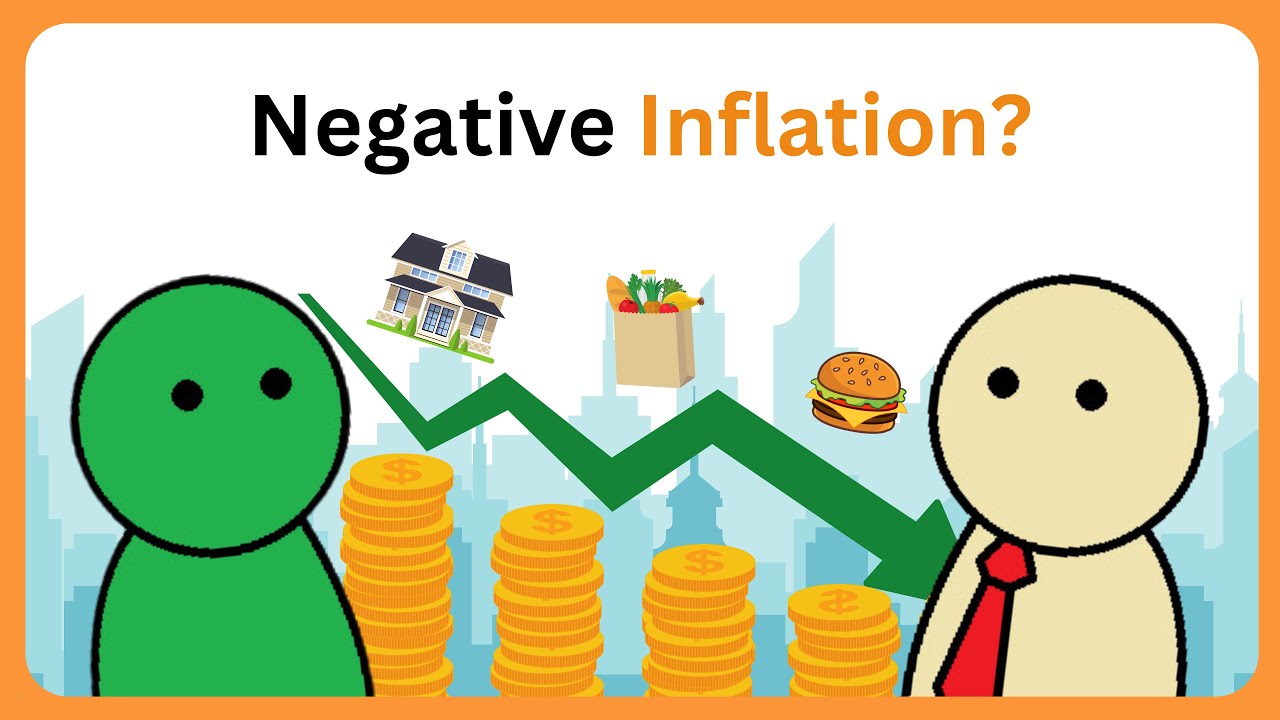
What If Inflation Goes Negative? Deflation Explained
⚡ THE VIBE
✨Deflation is the economic phenomenon where the general price level of goods and services *decreases* over time, meaning your currency gains purchasing power – sounds great, right? But this seemingly beneficial trend can actually signal deep economic distress and lead to a perilous downward spiral. 🌀
§1What is Deflation? The Price Drop Paradox 💸
Imagine waking up to find that your favorite coffee now costs less, your rent is cheaper, and that new gadget you've been eyeing has dropped significantly in price. That's deflation in a nutshell: a sustained decrease in the general price level of goods and services. While it might sound like a consumer's dream – your money stretches further! – economists often view it with dread. Why? Because deflation is typically a symptom of a deeper, more troubling economic malaise, often intertwined with weak demand, oversupply, or a contraction in the money supply. It's the opposite of inflation, which we're usually more familiar with. Think of it as the economy's temperature dropping too low, signaling a potential freeze. 🥶
§2The Vicious Cycle: How Deflation Spirals Downward 🎢
The real danger of deflation lies in its potential to create a deflationary spiral. Here's how it often plays out:
- Falling Prices: Prices start to drop across the board.
- Delayed Spending: Consumers and businesses, expecting prices to fall even further, postpone purchases. Why buy today when it'll be cheaper tomorrow? This leads to a sharp decline in demand. 📉
- Reduced Production: With less demand, businesses cut production, leading to layoffs and reduced wages. 🏭➡️📉
- Lower Incomes & Debt Burden: Unemployment rises, and incomes fall. Meanwhile, the real value of debt (mortgages, loans) increases because the money used to repay it is now worth more. This makes debt harder to service, leading to defaults and bankruptcies. 🏦💔
- Further Price Cuts: To stimulate demand, businesses cut prices even more, restarting the cycle. This creates a self-reinforcing loop that's incredibly difficult to break. Japan's 'Lost Decades' in the 1990s and early 2000s offer a stark example of how persistent deflation can cripple an economy. 🇯🇵
§3Causes & Catalysts: What Triggers the Drop? 💡
Deflation isn't a single-cause phenomenon; it can be triggered by several factors, often in combination:
- Decrease in Money Supply: If the amount of money circulating in an economy shrinks (e.g., central banks tighten monetary policy too aggressively, or banks stop lending), there's less money chasing the same amount of goods, pushing prices down. 🏦➡️💰⬇️
- Decrease in Aggregate Demand: A sudden drop in consumer and business spending (perhaps due to a recession, a financial crisis, or a lack of confidence) means businesses have to lower prices to sell their products. Think of the Great Depression as a prime example. 📉
- Increase in Aggregate Supply (Productivity Gains): While less common as a negative deflationary force, significant technological advancements can dramatically lower production costs, leading to lower prices. This is often called 'good deflation' as it's driven by efficiency, not economic weakness. For instance, the cost of electronics has generally fallen over decades due to innovation. 💻✨
- Debt Deflation: As mentioned, a massive increase in debt can lead to a credit crunch, where people and businesses are forced to sell assets to pay off debts, flooding the market and driving prices down. 🌊
§4Fighting the Freeze: Central Bank Strategies 🛡️
Central banks, like the Federal Reserve or the European Central Bank, actively try to prevent deflation because of its destructive potential. Their arsenal includes:
- Lowering Interest Rates: Making borrowing cheaper encourages spending and investment, boosting demand. 💰➡️📈
- Quantitative Easing (QE): Buying government bonds and other assets injects money directly into the financial system, increasing the money supply. 💸🚀
- Forward Guidance: Communicating future policy intentions to influence market expectations, encouraging spending now rather than later. 🗣️🔮
- Fiscal Stimulus: While primarily a government tool, central banks often advocate for government spending (e.g., infrastructure projects, tax cuts) to boost demand during deflationary periods. 🏗️ These measures aim to reignite demand and restore a healthy level of inflation (typically around 2%) to keep the economic engine humming. It's a delicate balancing act, as too much stimulus can lead to runaway inflation, but too little risks the dreaded deflationary trap. ⚖️
§5Deflation in the 21st Century: A Persistent Threat? 🌍
While hyperinflation often grabs headlines, deflation remains a quiet, insidious threat. Post-2008 financial crisis, many developed economies, particularly in Europe and Japan, flirted with deflationary pressures, prompting unprecedented monetary policy interventions. The COVID-19 pandemic briefly saw deflationary fears emerge due to a sharp drop in demand, quickly followed by inflationary pressures as supply chains buckled and stimulus packages kicked in. In 2026, with global supply chains still recalibrating and technological advancements continuing to drive down costs in some sectors, central banks remain hyper-vigilant. Understanding deflation isn't just for economists; it's crucial for anyone trying to make sense of global economic headlines and the value of their hard-earned money. It's a reminder that sometimes, what seems good on the surface can hide a deeper, more complex challenge. 🧐