Botany
Unearthing the vibrant, vital world of plants!
Featured partners and sponsors
New advertisers get $25 in ad credits
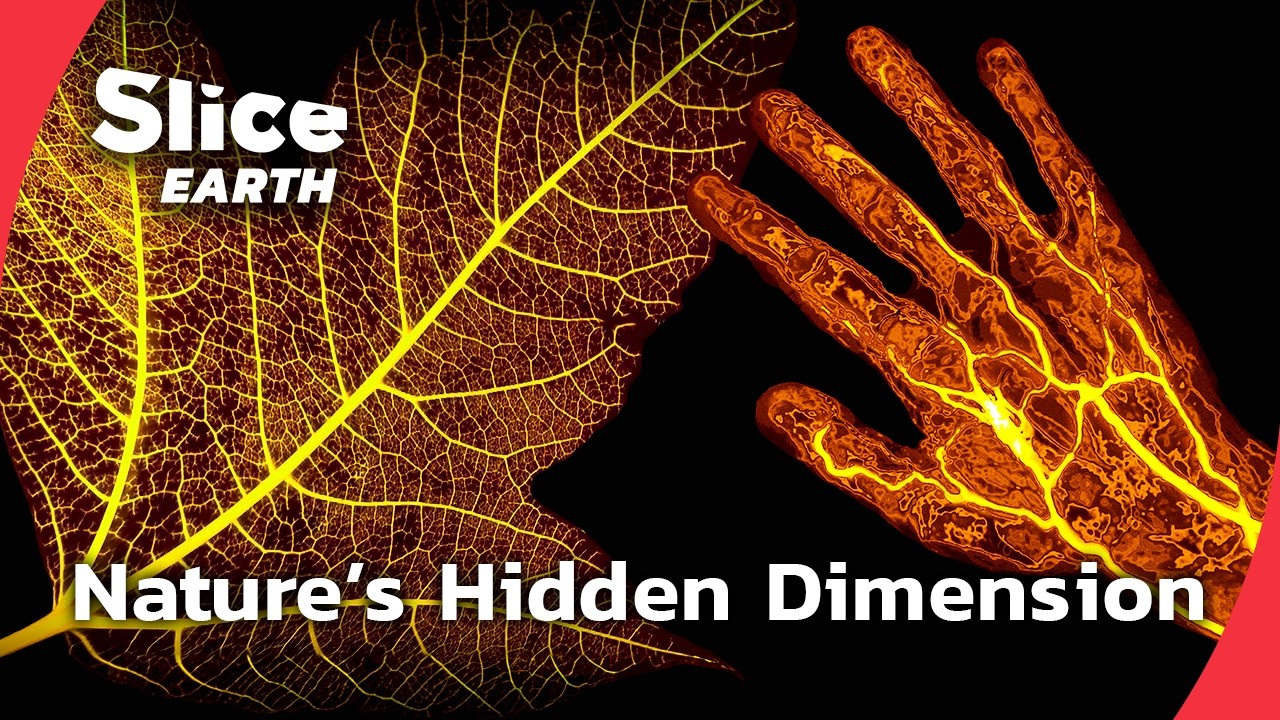
New Scientific Discoveries That Change Everything About Plants | SLICE EARTH | FULL DOC
⚡ THE VIBE
✨Botany is the captivating scientific study of plants, from their microscopic cells to towering forests, revealing the fundamental processes that sustain nearly all life on Earth and shape our planet's ecosystems. It's not just about pretty flowers; it's about the very breath of our world! 🌍
§1What is Botany? A Green Revolution! 🌱
Welcome to the vibrant world of Botany, the scientific discipline dedicated to understanding plants in all their glorious forms and functions. From the tiniest mosses clinging to rocks to the colossal sequoias reaching for the sky, botany explores every facet of plant life. It delves into their structure (morphology and anatomy), function (physiology), growth (development), classification (taxonomy), distribution (phytogeography), ecology (interactions with the environment), and evolution. Think of it as the ultimate deep dive into the organisms that literally make our world breathable and edible! 🍎🌳 Without plants, the intricate web of life as we know it simply wouldn't exist. This field is a cornerstone of Biology and has profound implications for everything from medicine to climate change. 💡
§2Roots in Antiquity: A Historical Harvest 📜
The human fascination with plants is as old as humanity itself, driven by the primal need for food, medicine, and shelter. However, the formal study of botany truly began in Ancient Greece. The philosopher Theophrastus (c. 371–287 BCE), a student of Aristotle, is often hailed as the "Father of Botany" for his groundbreaking works, Historia Plantarum (Enquiry into Plants) and De Causis Plantarum (On the Causes of Plants). These texts systematically described plants, their uses, and their habitats, laying the groundwork for centuries of botanical inquiry. Fast forward to the Renaissance, and figures like Carolus Linnaeus revolutionized classification with his binomial nomenclature system in the 18th century, providing the universal language still used today. The invention of the microscope opened up the microscopic world of plant cells, further accelerating discoveries. 🔬 The journey from ancient herbalists to modern geneticists has been a long, fruitful one! 🚀
§3The Green Machine: How Plants Power the Planet ☀️
At the heart of botany lies the incredible process of photosynthesis. This biochemical marvel allows plants to convert sunlight, water, and carbon dioxide into glucose (their food) and oxygen (our essential byproduct!). It's the engine of almost all ecosystems, fueling food chains and regulating atmospheric composition. Beyond photosynthesis, botany explores: * Plant Anatomy & Morphology: The intricate design of roots, stems, leaves, and flowers. * Plant Physiology: How plants absorb nutrients, transport water, reproduce, and respond to environmental cues. * Plant Genetics: The study of plant DNA, heredity, and how genetic modification can enhance crop yields or create disease resistance. * Ethnobotany: The fascinating relationship between people and plants, exploring traditional knowledge and uses. Understanding these mechanisms is crucial for addressing global challenges like food security and climate change. 🌾
§4Impact & Significance: More Than Just Pretty Flowers 🌸
Botany's impact on human civilization and the planet is immeasurable. It underpins agriculture, providing the scientific basis for crop improvement, pest control, and sustainable farming practices that feed billions. In medicine, many of our most vital drugs, from aspirin (derived from willow bark) to paclitaxel (from the Pacific yew), originated from plants. The field is also critical for conservation efforts, helping us understand and protect endangered plant species and their habitats, which in turn safeguards entire ecosystems. Botanists are at the forefront of researching biofuels, exploring plant-based alternatives to fossil fuels, and developing strategies for carbon sequestration to combat climate change. Every breath you take, every meal you eat, every wooden structure you see – it all connects back to the silent, powerful work of plants, and the dedicated scientists who study them. 🌟
§5Modern Frontiers & Future Flora 🌐
Today, botany is more dynamic than ever, integrating cutting-edge technologies to unlock deeper secrets. Genomics and bioinformatics allow scientists to map entire plant genomes, leading to breakthroughs in understanding plant evolution and developing new crop varieties. Remote sensing and GIS help track plant health and distribution on a global scale, crucial for monitoring deforestation and biodiversity loss. The exploration of plant microbiomes, the communities of microbes living in and around plants, is revealing new pathways for plant resilience and nutrient uptake. As we face unprecedented environmental challenges, from rising temperatures to habitat destruction, botanical research offers some of the most promising solutions. The future of our planet literally depends on understanding and harnessing the power of plants. 🌱🔬🛰️