Ethnobotany
Unearthing the ancient wisdom of plants and people 🌿✨
Featured partners and sponsors
New advertisers get $25 in ad credits
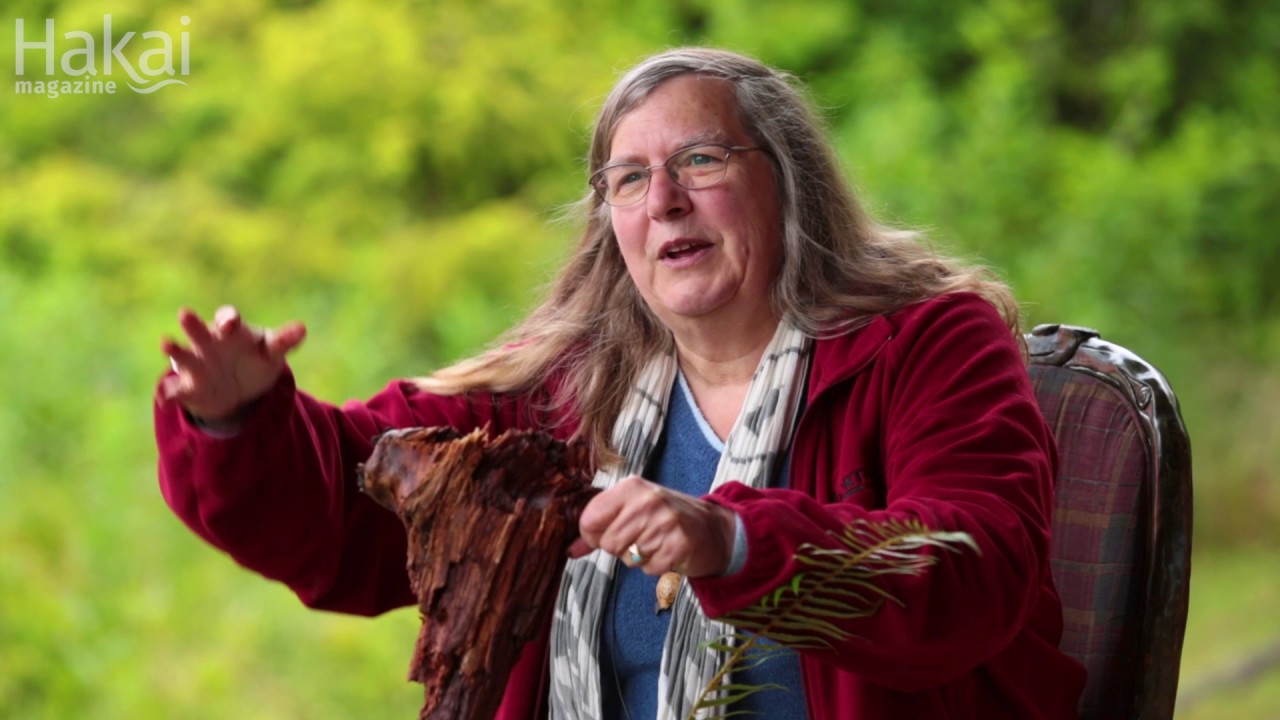
Nancy Turner, Ethnobotanist
⚡ THE VIBE
✨Ethnobotany is the captivating scientific field that explores the intricate relationships between human cultures and plants, revealing how societies across the globe have utilized, understood, and shaped the botanical world for millennia. It's a vibrant intersection of anthropology, botany, ecology, and medicine, unlocking secrets from ancient remedies to sustainable futures. 🌍
§1The Roots of Understanding: What is Ethnobotany? 🤔
Imagine a world where every plant tells a story – a story of healing, sustenance, ritual, or even danger. That's the world of ethnobotany, a dynamic interdisciplinary science that delves deep into the interconnections between humans and the plant kingdom. It's not just about identifying plants; it's about understanding the cultural context of their use, the traditional knowledge systems that have evolved around them, and the profound impact they've had on human societies throughout history. From the Amazonian shamans to your grandmother's herbal remedies, ethnobotany seeks to document, understand, and preserve this invaluable heritage. It's a field that truly bridges the natural sciences with the social sciences, offering a holistic view of our shared botanical journey. 🧑🔬🌳
§2A Journey Through Time: Origins & Evolution 🕰️
While humans have been practicing ethnobotany intuitively since the dawn of time – think early hominids foraging for food or medicine – the formal scientific discipline is relatively young. The term 'ethnobotany' was coined in 1895 by American botanist John W. Harshberger, who used it to describe 'the study of plants used by primitive and aboriginal people.' Initially, it was often linked to colonial expeditions, documenting 'exotic' plant uses. However, the field has evolved dramatically. Pioneers like Richard Evans Schultes, often called the 'father of modern ethnobotany,' spent decades in the Amazon, meticulously documenting indigenous plant knowledge, particularly psychedelics and medicinal plants. His work, and that of many others, shifted the focus from mere collection to collaborative research with indigenous communities, recognizing them as invaluable knowledge holders. Today, ethnobotany is a global effort, driven by a sense of urgency to record disappearing traditions and plant species alike. 🚀
§3More Than Just Medicine: The Scope of Plant-Human Relationships 🌿❤️
Ethnobotany's reach extends far beyond identifying medicinal herbs. It encompasses every conceivable way humans interact with plants! Think about it: our food, our shelter, our clothing, our tools, our art, our spiritual practices – plants are at the core of so much of what makes us human. Ethnobotanists investigate:
§4Why It Matters Now: Bioprospecting, Conservation, and Cultural Preservation 🌟
In 2026, ethnobotany is more critical than ever. We face a dual crisis: the rapid loss of biodiversity and the erosion of traditional knowledge. Ethnobotany offers a powerful toolkit to address both. By documenting traditional plant uses, we can:
§5Challenges & The Future: Ethical Engagement and Digital Frontiers 🌐
Despite its immense value, ethnobotany isn't without its challenges. Historically, there have been issues of biopiracy – the unethical appropriation of traditional knowledge and genetic resources without fair compensation to indigenous communities. Today, ethical ethnobotany emphasizes prior informed consent and benefit-sharing to ensure equitable partnerships. The future of ethnobotany is bright, integrating cutting-edge technologies like DNA barcoding and AI for plant identification and chemical analysis, while simultaneously deepening its commitment to community-led research. It's a field that reminds us that the answers to many of humanity's biggest challenges – from new medicines to sustainable living – might just be growing in our own backyards, or in the most remote corners of the world, waiting to be rediscovered through ancient wisdom. 💡✨