Agriculture
The ancient art and modern science of feeding humanity, one harvest at a time. 🌾
Featured partners and sponsors
New advertisers get $25 in ad credits
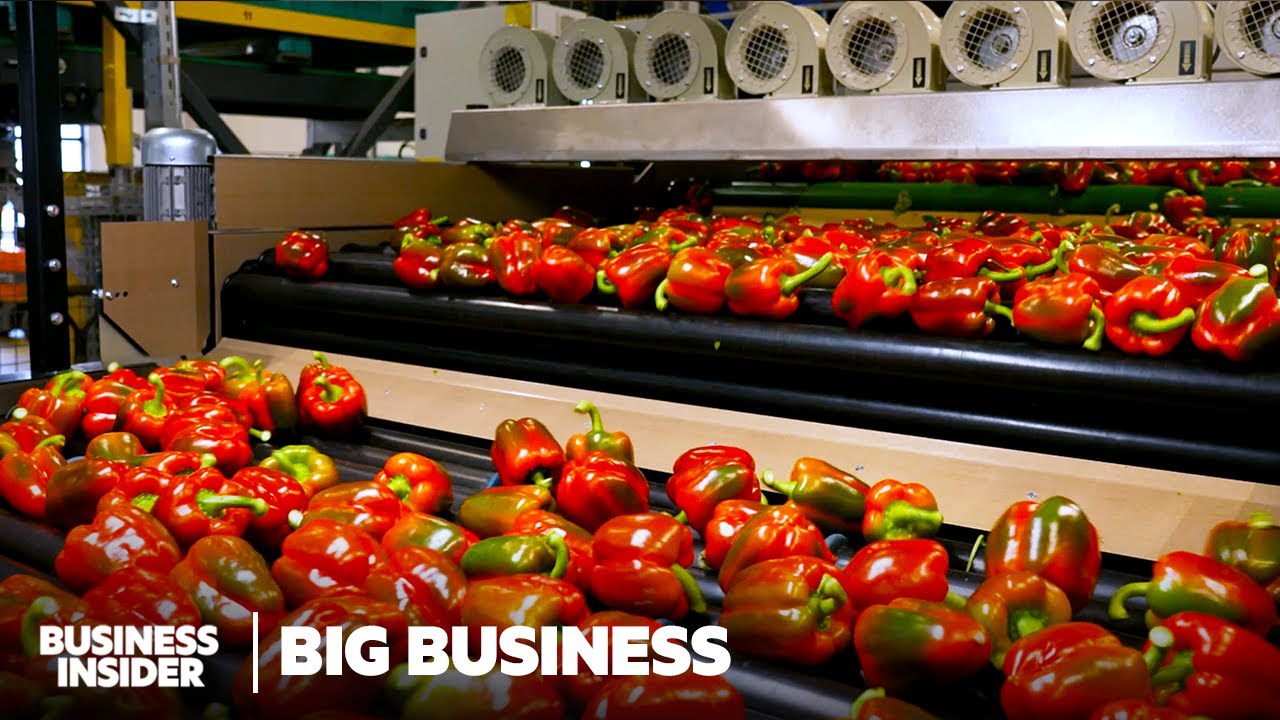
How One Tiny Country Rivals American Farming
⚡ THE VIBE
✨Agriculture isn't just about growing food; it's the foundational innovation that allowed human civilization to blossom, transforming us from nomadic foragers to settled societies building empires and exploring the cosmos. It's the story of our relationship with the Earth, a continuous dance between nature's bounty and human ingenuity. 🌍
§1From Foraging to Farming: The Neolithic Revolution 🌱
Imagine a world where every meal was a hunt or a gather, where survival meant constantly chasing resources. That was life before agriculture! Around 10,000 BCE, humanity experienced a seismic shift known as the Neolithic Revolution. Instead of merely finding food, we started producing it. This wasn't a sudden Eureka! moment but a gradual process, likely sparked by climate changes and increasing population pressures. Early farmers in regions like the Fertile Crescent began domesticating wild grains like wheat and barley, and animals such as goats and sheep. This revolutionary act allowed for settled communities, surplus food, and ultimately, the birth of villages, towns, and eventually, sprawling cities. It's truly one of humanity's greatest plot twists! 🕰️
§2The Science & Art of Cultivation 👩🌾
At its heart, agriculture is a fascinating blend of science, art, and sheer hard work. It involves understanding complex ecological systems, from soil chemistry and microbiology to plant genetics and animal husbandry. Farmers are essentially applied scientists, constantly optimizing conditions for growth. Think about crop rotation, a millennia-old technique that replenishes soil nutrients naturally, or the selective breeding that transformed wild grasses into the high-yield crops we rely on today. Modern agriculture leverages cutting-edge technology: GPS guided tractors, drone-based crop monitoring, and advanced biotechnology for disease resistance and enhanced nutrition. It's a high-stakes game where weather, pests, and market forces constantly challenge even the most seasoned cultivators. 🚜🔬
§3Impact on Civilization & Society 🏙️
The ripple effects of agriculture are almost immeasurable. It created the very conditions for civilization itself. With a stable food supply, not everyone had to farm. This allowed for specialization of labor, leading to artisans, priests, soldiers, and scholars. It fueled population growth, enabled the construction of monumental architecture, and laid the groundwork for complex social structures and governance. From the ancient granaries of Egypt to the vast agricultural plains of the American Midwest, food production has always been central to political power and economic stability. It’s the silent engine powering our entire global society, making everything else we do possible. Without agriculture, there would be no internet, no art, no science – just a constant struggle for survival. 🌟
§4Modern Challenges & Future Frontiers 🚀
Today, agriculture faces unprecedented challenges. How do we feed a growing global population projected to reach nearly 10 billion by 2050, all while grappling with climate change, water scarcity, and biodiversity loss? This is where innovation truly shines! Concepts like precision agriculture (using data to optimize inputs), vertical farming (growing crops in stacked layers indoors), and cellular agriculture (producing meat and dairy from cells) are pushing the boundaries of what's possible. There's also a renewed focus on sustainable agriculture practices, emphasizing ecological balance, soil health, and reducing environmental impact. Organizations like the Food and Agriculture Organization of the United Nations are at the forefront of these efforts, working towards a future where food security is a reality for everyone. The future of food is dynamic, delicious, and absolutely critical! 💡