Beiyang Fleet
China's ill-fated naval dream that shaped a century of destiny ⚓
Featured partners and sponsors
New advertisers get $25 in ad credits
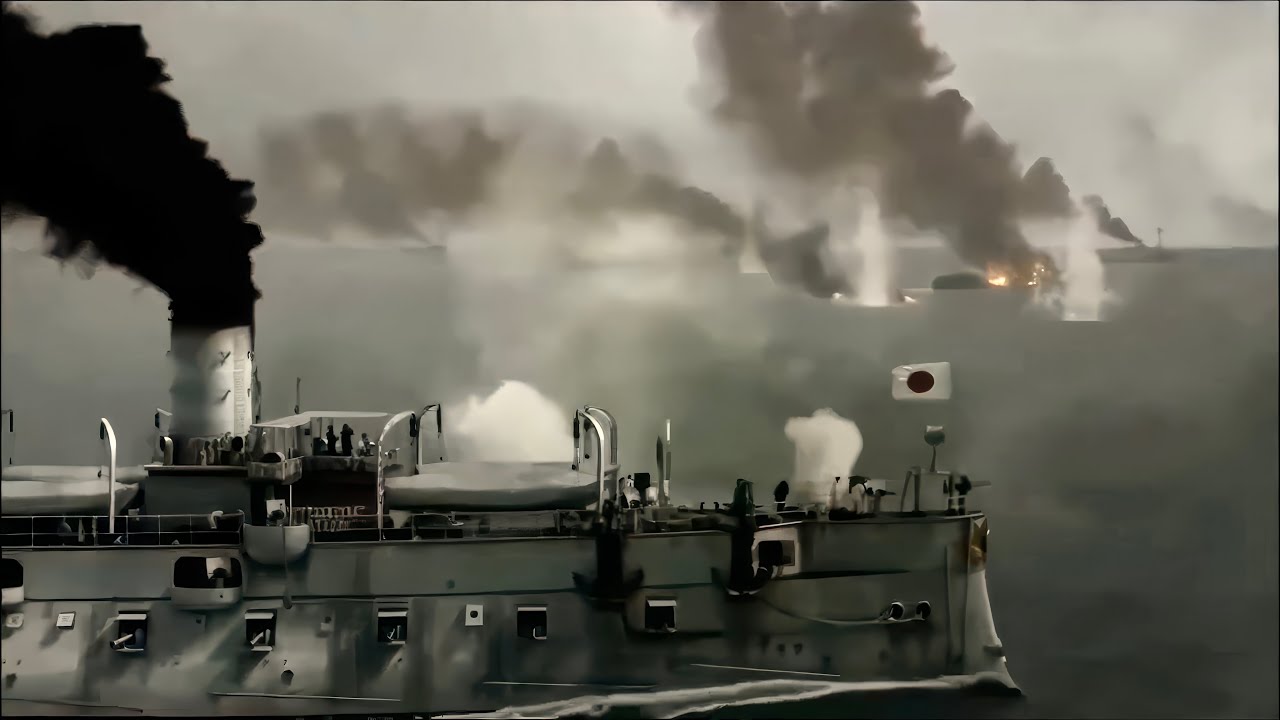
Battle of Yellow Sea (Qing Empire vs Empire of Japan)
⚡ THE VIBE
✨The Beiyang Fleet was the largest and most technologically advanced naval force in Asia during the late 19th century, a shining symbol of China's 'Self-Strengthening Movement' that ultimately met a tragic end, forever altering the course of Chinese history.
§2A Fleet Forged in Steel and Ambition ✨
At its peak, the Beiyang Fleet was truly formidable. Its crown jewels were the German-built battleships Dingyuan and Zhenyuan, massive ironclads that were among the most powerful warships afloat globally. These weren't just big ships; they represented a monumental investment in technology, training, and strategic thinking. 🧠 The fleet was commanded by Admiral Ding Ruchang and largely funded by the influential statesman Li Hongzhang, who saw naval power as essential for China's survival. The sailors received training from British and German naval officers, adopting Western naval tactics and discipline. For a brief, glorious period, the Beiyang Fleet was a source of immense national pride, a beacon of what a modernized China could achieve. It was a testament to the idea that China could learn from the West without abandoning its own identity.
§3The Fateful Clash: Sino-Japanese War ⚔️
The true test of the Beiyang Fleet came in 1894 with the outbreak of the First Sino-Japanese War ([first-sino-japanese-war]). This conflict, primarily fought over influence in Korea, pitted China's modern but ultimately mismanaged military against Japan's rapidly modernizing forces. The pivotal naval engagement was the Battle of the Yalu River on September 17, 1894. Despite possessing superior firepower in some respects, the Beiyang Fleet suffered from critical weaknesses: a lack of maintenance, corruption leading to ammunition shortages (some shells were filled with sand or concrete instead of explosives! 🤯), and a lack of unified command and tactical flexibility. The Japanese Imperial Navy, though smaller, was better organized, better trained, and more aggressive. The battle was a devastating defeat for China, crippling the Beiyang Fleet and marking a turning point in Asian power dynamics.
§4The End and Its Echoes 📉
Following the Battle of the Yalu River, the remnants of the Beiyang Fleet were blockaded in the naval base of Weihaiwei. After a prolonged siege, the fleet was ultimately destroyed or surrendered in February 1895. Admiral Ding Ruchang, facing utter defeat, took his own life. The collapse of the Beiyang Fleet was more than just a military loss; it was a profound national humiliation that exposed the deep-seated problems within the Qing Dynasty. It shattered the illusion of China's self-strengthening efforts and paved the way for further foreign encroachment and internal unrest. This defeat directly contributed to the rise of Japanese power in East Asia and intensified calls for radical reform within China, eventually leading to the Xinhai Revolution and the end of imperial rule. The legacy of the Beiyang Fleet serves as a powerful cautionary tale about the perils of incomplete modernization and systemic corruption. 💔